Tell us about the job
Takes about a minute. No obligation.
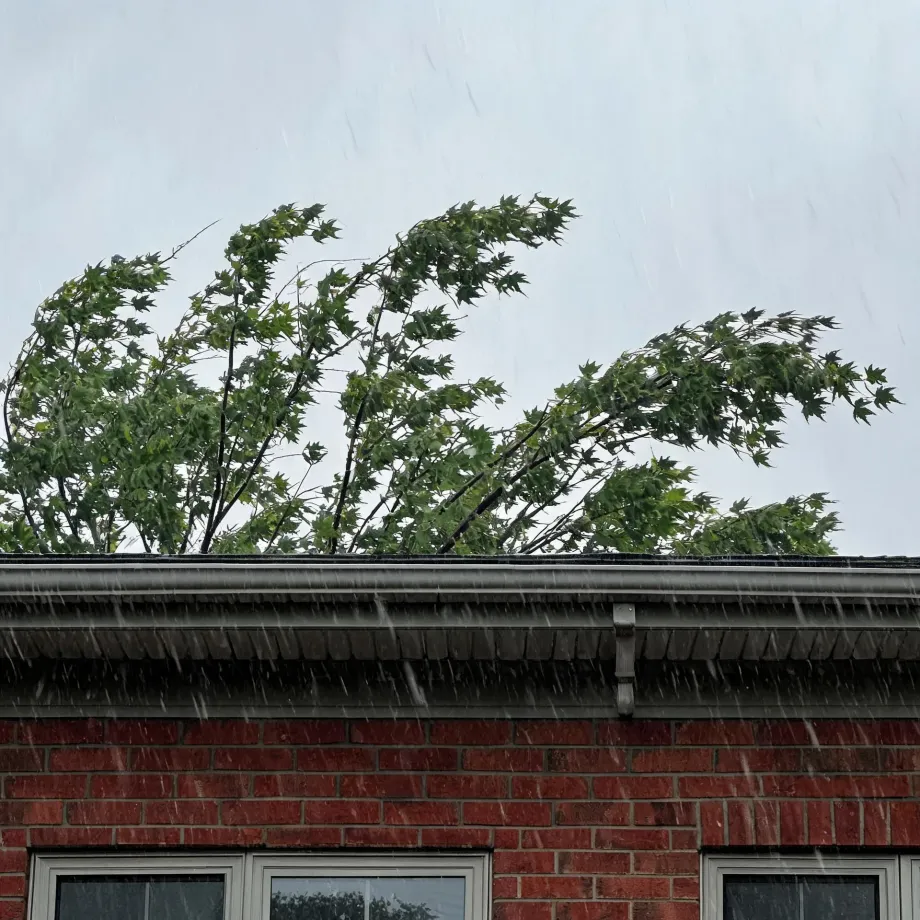
A furnace contractor quoting a job in Ritchie County has to settle the sizing question before anything else, because an undersized or oversized unit fails on its own terms regardless of what the seasons bring. 96 severe weather events were recorded in Ritchie County, West Virginia between 2015 and 2024. That puts this county close to the middle of the national range, which means severe weather is a real but ordinary part of operating here. What drives a poor outcome is more often a system that was not sized to the house or installed to the standard the climate requires, and those are decisions made on day one.
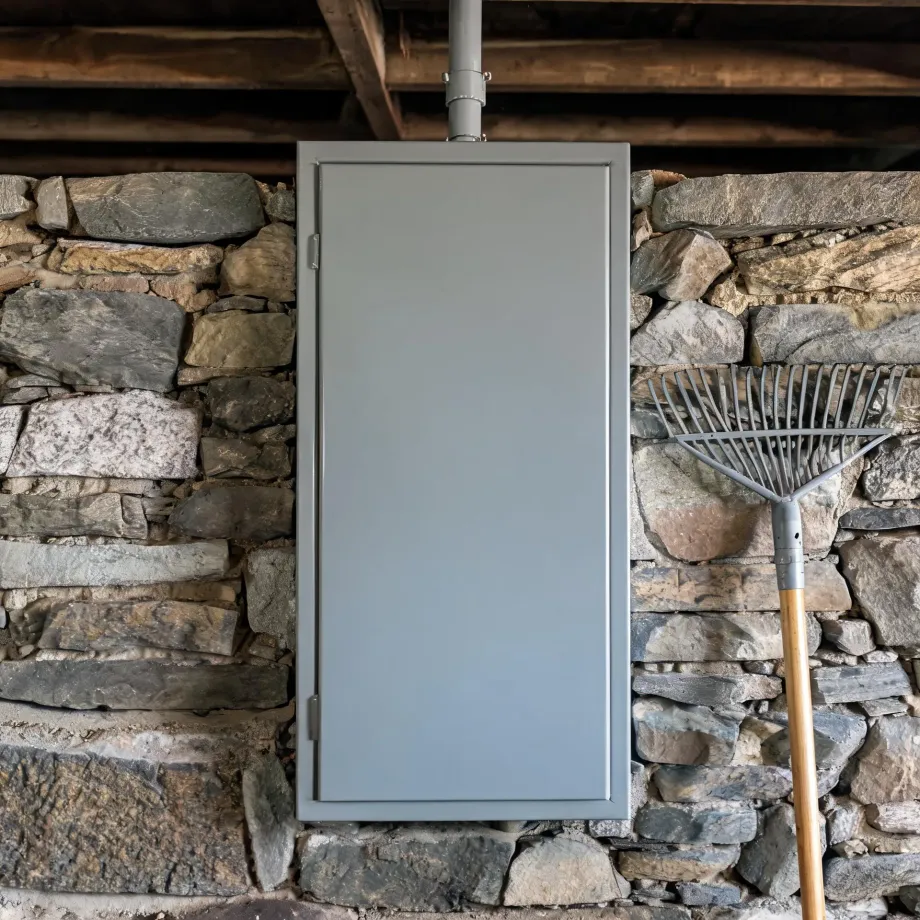
Ductwork laid down for an older furnace was sized and routed for that furnace, and a new unit running at different airflow demands will expose mismatches the walls have been hiding. Half the homes in Ritchie County, West Virginia were built in 1975 or earlier (2020-2024 ACS 5-year). That age of construction means a contractor assessing a furnace job has to evaluate what the existing duct system will actually carry before anything else on the job can be quoted with confidence. Electrical service in houses of that vintage also warrants a look, since panel capacity for a modern furnace is not always what was originally wired in.
What Gets Installed With a New Furnace
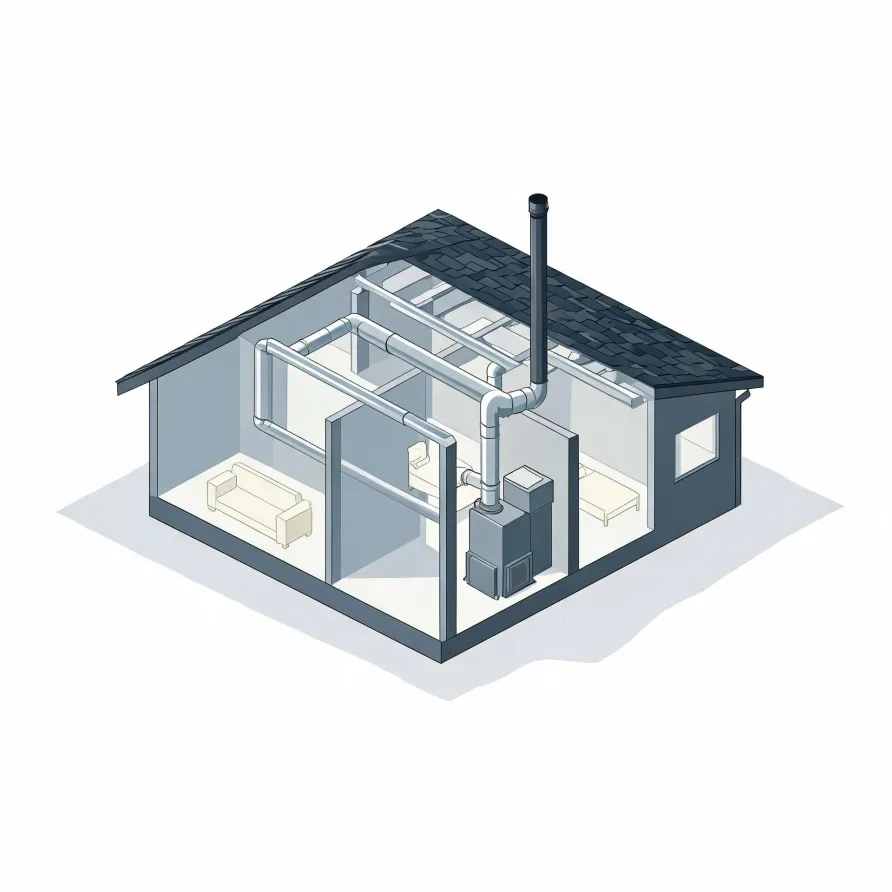
The furnace itself sits in a utility space, basement, or closet and is the central unit a contractor places first. Attached to it is the air handler, which pulls return air through the system and pushes conditioned air back out. The flue pipe runs from the furnace to an exterior wall or roofline to carry combustion gases out of the house.
The thermostat goes on an interior wall where it reads the living space temperature and signals the furnace when to run. A contractor also installs or connects the condensate drain line, which carries moisture produced during heating away from the unit, and fits the filter housing where the return air enters the system.
The drawing beside this text shows a typical layout, and a licensed contractor determines exactly what applies to your house and its existing setup.
Find a contractor in Ritchie CountyRitchie County by the Numbers
96 severe weather events were recorded in Ritchie County, West Virginia between 2015 and 2024.
NOAA National Centers for Environmental Information, Storm Events Database, bulk CSV export, events 2015-01-01 through 2024-12-31.Half the homes in Ritchie County, West Virginia were built in 1975 or earlier (2020-2024 ACS 5-year).
U.S. Census Bureau, 2020-2024 American Community Survey 5-Year EstimatesRitchie County, West Virginia holds 4,176 housing units (2020-2024 ACS 5-year).
U.S. Census Bureau, 2020-2024 American Community Survey 5-Year EstimatesOwners occupy 84.2% of the occupied homes in Ritchie County, West Virginia (2020-2024 ACS 5-year).
U.S. Census Bureau, 2020-2024 American Community Survey 5-Year EstimatesCodes & Standards Covering Furnace Installation in Ritchie County, West Virginia5 sourced rules & standards
What the Installation Actually Looks Like
Non-weatherized gas furnaces manufactured on or after November 19, 2015 must reach 80.0 percent AFUE.
Non-weatherized oil-fired furnaces manufactured on or after November 19, 2015 must reach 83.0 percent AFUE.
Mobile home gas furnaces manufactured on or after November 19, 2015 must reach 80.0 percent AFUE.
Non-weatherized gas furnaces manufactured on or after December 18, 2028 must reach 95.0 percent AFUE, up from the 80.0 percent minimum that applies to units manufactured before that date.
Licensing Rules for Contractors in Ritchie County, West Virginia
West Virginia requires a licence from the Commissioner of Labor to perform, or offer to perform, work on a heating, ventilating and cooling system.
Severe Weather Events in Ritchie County
Weather places real demand on heating equipment, and that demand varies by location. A furnace sized and installed for what Ritchie County actually sees will hold up where a generic job may not.
96 severe weather events, 2015–2024. Source: NOAA National Centers for Environmental Information, Storm Events Database.