Tell us about the job
Takes about a minute. No obligation.
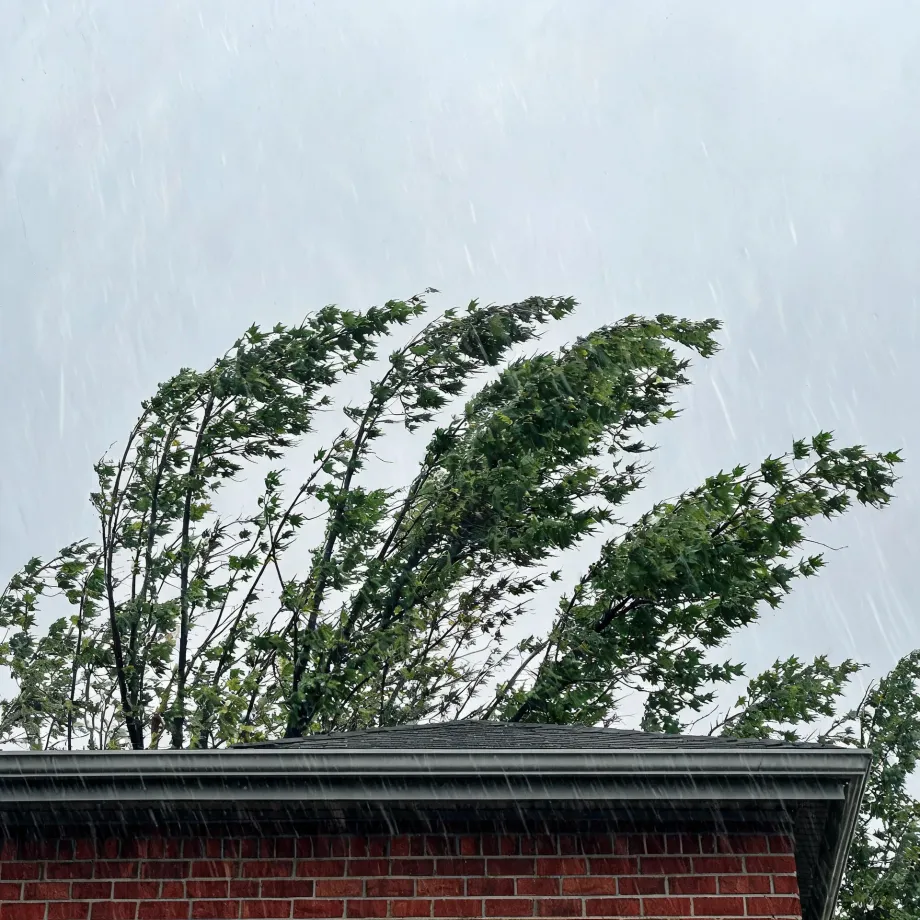
Sizing a furnace for a home in McDowell County is a local calculation, not a catalog lookup. 87 severe weather events were recorded in McDowell County, West Virginia between 2015 and 2024. At that rate, the equipment a contractor installs has to be matched to a climate that regularly puts heating systems under stress, which means duct configuration, unit capacity, and the quality of the installation itself all carry more consequence here than in quieter areas. A contractor who quotes a furnace for this county without accounting for that weather history is likely to leave the homeowner with a system that runs hard and underperforms.
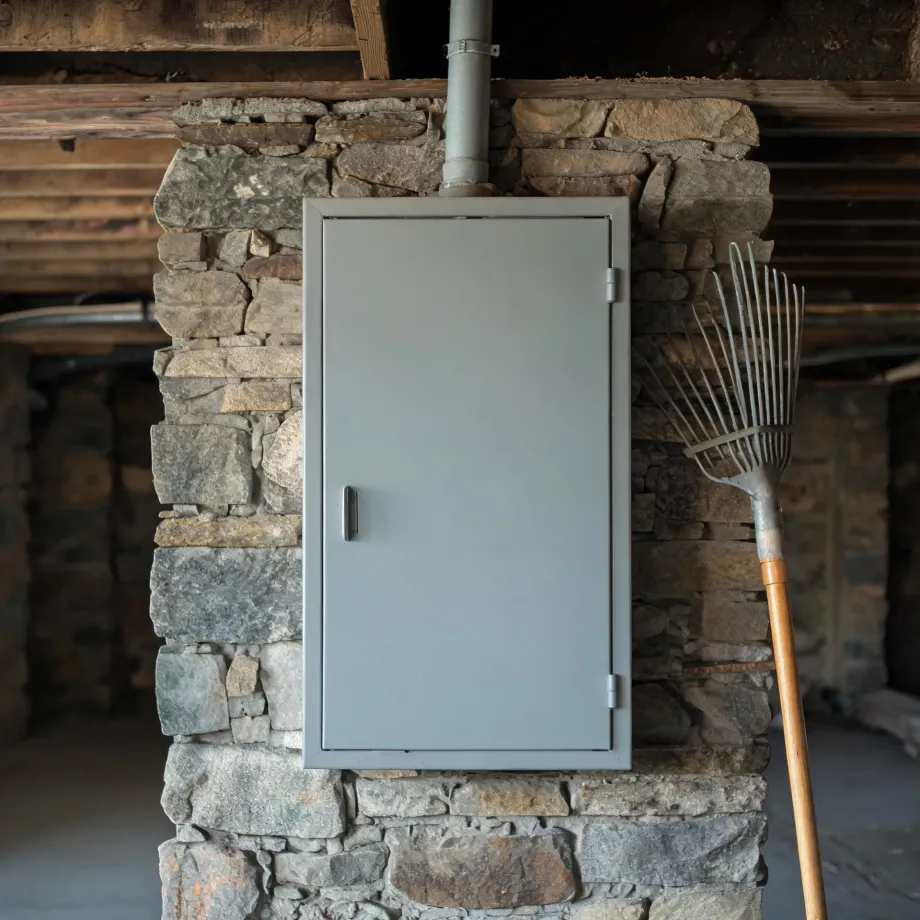
Ductwork laid down for a coal or oil system was routed and sized for airflow patterns a modern forced-air furnace does not match. Half the homes in McDowell County, West Virginia were built in 1958 or earlier (2020-2024 ACS 5-year). A contractor pricing a furnace installation here has to look at what the existing duct system will actually carry before the unit itself becomes relevant. Trunks that were adequate for one heat source can restrict a new furnace enough to affect performance across the whole house. The electrical service is a separate question, and it gets checked the same way. What the house already contains is what sets the scope.
What Gets Installed With a New Furnace
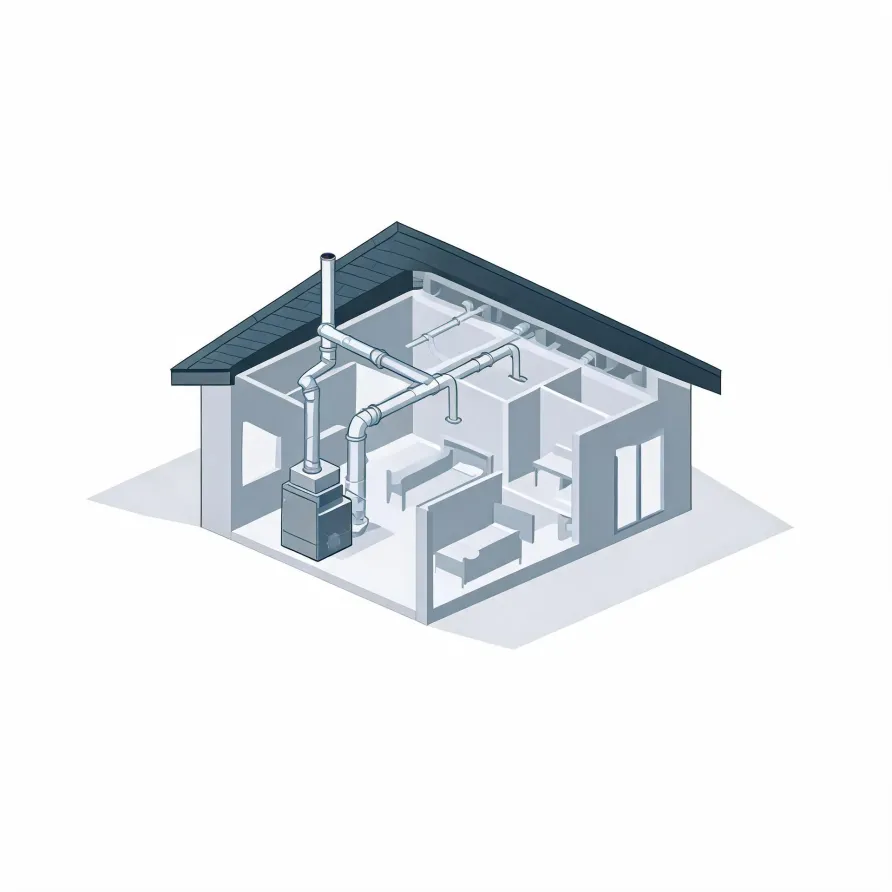
The furnace itself sits in a utility space, basement, or closet near the center of the house and is the unit that produces heat. A flue or exhaust vent runs from it to an exterior wall or roof, carrying combustion gases out of the living space. These two pieces are what a contractor sets in place first.
The air handler or blower cabinet, if separate from the furnace, sits close by and moves conditioned air into the duct system. The thermostat goes on an interior wall and gives the homeowner control over when the furnace runs. A new furnace also calls for a fresh condensate drain line or venting connection, depending on the unit type, routed to a safe discharge point.
The drawing shows a general layout of these components, and a licensed contractor determines exactly what applies to your house and its existing setup.
Find a contractor in McDowell CountyMcDowell County, by the record
87 severe weather events were recorded in McDowell County, West Virginia between 2015 and 2024.
NOAA National Centers for Environmental Information, Storm Events Database, bulk CSV export, events 2015-01-01 through 2024-12-31.Half the homes in McDowell County, West Virginia were built in 1958 or earlier (2020-2024 ACS 5-year).
U.S. Census Bureau, 2020-2024 American Community Survey 5-Year EstimatesMcDowell County, West Virginia holds 9,336 housing units (2020-2024 ACS 5-year).
U.S. Census Bureau, 2020-2024 American Community Survey 5-Year EstimatesOwners occupy 77.3% of the occupied homes in McDowell County, West Virginia (2020-2024 ACS 5-year).
U.S. Census Bureau, 2020-2024 American Community Survey 5-Year EstimatesCodes & Standards for Furnace Installation in McDowell County, West Virginia5 sourced rules and standards
What happens once a contractor comes out
Non-weatherized gas furnaces manufactured on or after November 19, 2015 must reach 80.0 percent AFUE.
Non-weatherized oil-fired furnaces manufactured on or after November 19, 2015 must reach 83.0 percent AFUE.
Mobile home gas furnaces manufactured on or after November 19, 2015 must reach 80.0 percent AFUE.
Non-weatherized gas furnaces manufactured on or after December 18, 2028 must reach 95.0 percent AFUE, up from the 80.0 percent minimum that applies to units manufactured before that date.
Licensing Rules for HVAC Work in McDowell County, West Virginia
West Virginia requires a licence from the Commissioner of Labor to perform, or offer to perform, work on a heating, ventilating and cooling system.
Severe Weather Events in McDowell County
McDowell County's weather puts real demands on heating equipment over time. How hard a furnace works, and how long it holds up, is shaped by what the local climate throws at it year after year.
87 severe weather events, 2015–2024. Source: NOAA National Centers for Environmental Information, Storm Events Database.