 Hand off the search
Furnace pilot light keeps going out in West Virginia
One request and the search for a pro is handled.
A pilot light that won't stay lit usually means a worn thermocouple. That's the small copper rod that sits in the flame. Its job is to tell the gas valve the pilot is burning. Once it weakens, it can't hold that signal, and the valve shuts the gas off even though the flame looks fine to you.
A dirty pilot orifice or a draft from a nearby vent can cause the same thing, so it's not always the thermocouple. But most homes here heat with electricity, not gas, so if your house has a gas furnace with a standing pilot, it's often an older unit, and parts like the thermocouple wear out from years of being lit.
This isn't something to leave alone through a West Virginia winter. A furnace that won't hold a pilot won't run at all, and relighting it over and over isn't a fix.
You don't have to figure out who handles this kind of repair. No calling around to ask if someone works on older gas furnaces, no describing the same problem three or four times to three or four different companies, no sitting with a stack of quotes trying to guess which one is fair. Send the form once and that search is off your plate. Someone licensed to work on your furnace takes it from there.
What's next is simple. Fill out the form below with what's happening with your pilot light. Once it's sent, the work of finding help is done. You're not left waiting on hold or digging through listings. You've handed off the part that was never really yours to handle in the first place.
Why does my furnace pilot light keep going out?
A pilot that won't stay lit usually turns out to be a quick fix once someone's looked at the thermocouple, but if yours has gone out more than once or twice, you're probably done messing with it after dinner and want to know what's actually wrong before you call anyone.
A worn thermocouple is the most common cause, but not the only one
Most of the time it's the thermocouple losing its grip on the flame signal, especially if the furnace is older. But a pilot that goes out again and again can also mean the orifice feeding it gas is partly clogged, or a draft from a vent or flue is blowing the flame out before the rod ever reads it. Some furnaces have a bent or dirty pilot assembly that keeps the flame from touching the thermocouple the way it should. Since most homes in West Virginia heat with electric furnaces rather than gas, a pilot light problem usually points to a gas furnace that came with the house or was added later, and it's worth having someone check which part is actually failing rather than replacing the thermocouple and hoping.




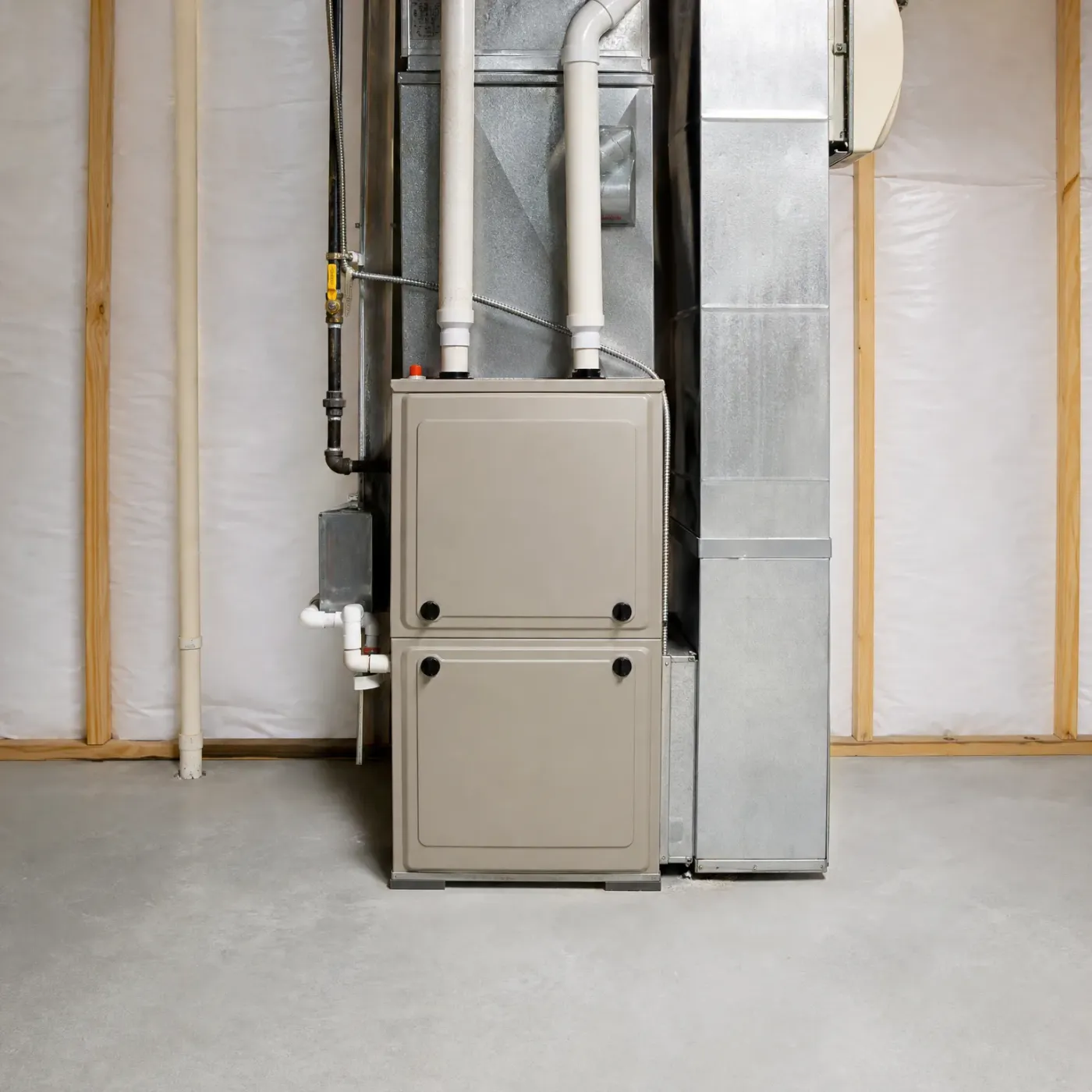
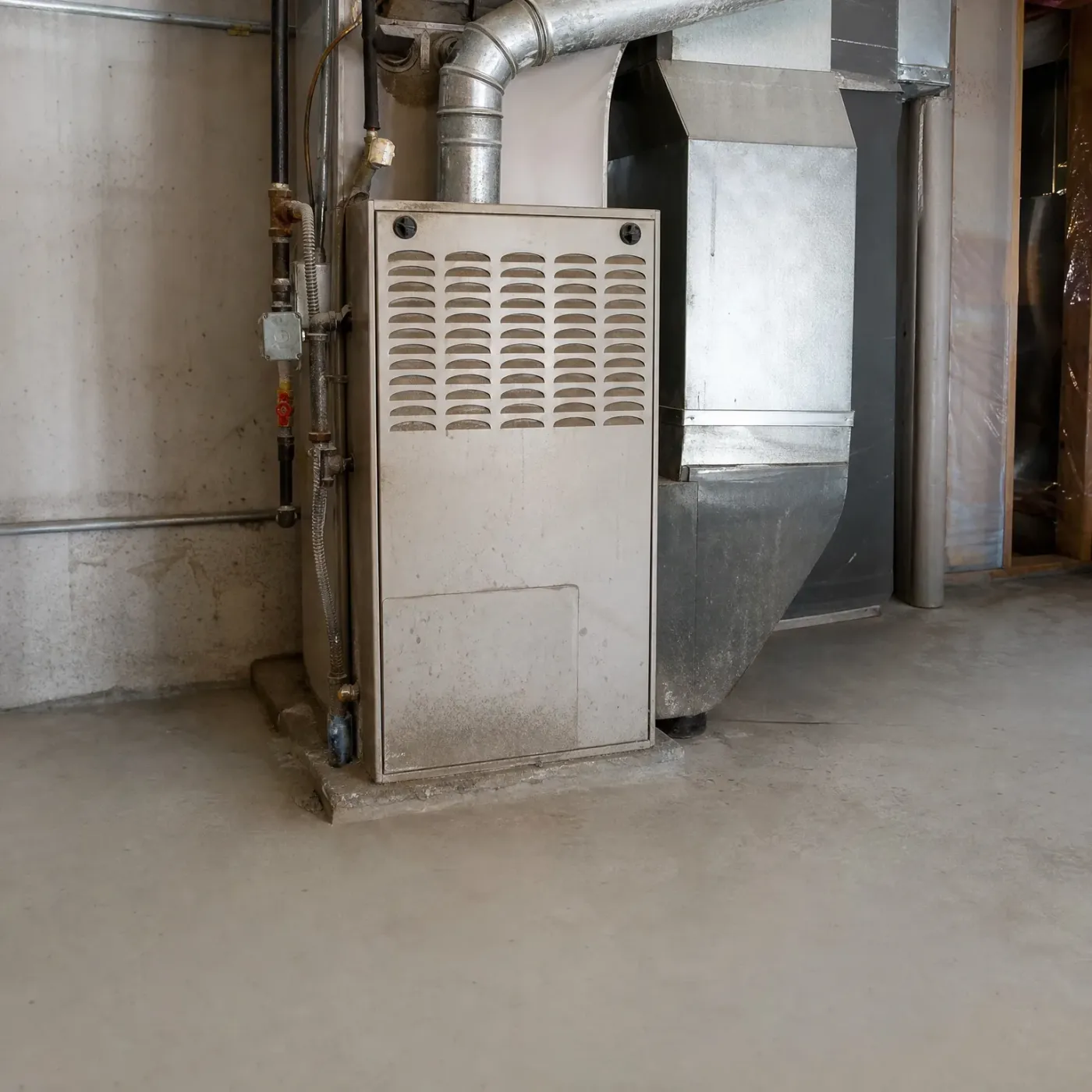
The thermocouple doesn't light the pilot. It watches it. Heat from the flame hitting that copper rod creates a small electrical current, and the gas valve reads that current as proof the pilot is burning. No current, no gas, even if the flame is right there in front of it. That's why soot buildup causes trouble. A dirty tip generates a weaker current, and once it drops below what the valve needs, the valve closes on its own, the same way it would if the pilot had actually gone out. Position matters too. If the flame sits slightly off the tip, from age or a bump during cleaning, the rod doesn't get hot enough to hold that signal. Some newer furnaces skip the thermocouple and use a flame sensor instead, which checks for the flame electronically rather than by heat, so the failure looks different but the result is the same. A draft from a nearby vent can push the flame off the tip for a second, long enough to trip the valve. And every so often the valve itself is the problem, not the rod feeding it.
How the Thermocouple Actually Works
- The thermocouple sits directly in the pilot flame, and heat alone is what generates the tiny electrical signal that holds the gas valve open.
- That signal has to stay above a minimum voltage or the valve reads it as no flame and cuts the gas, even while the pilot is still burning.
- A thermocouple coated in soot or set slightly off from the flame reads a weaker signal and the valve shuts off sooner than it should.
- Some furnaces use a flame sensor rod instead of a thermocouple, which checks for the flame electronically rather than by heat.
- A draft from a nearby vent or a cracked heat exchanger can pull the pilot flame away from the thermocouple tip just enough to break the reading.
- The gas valve itself can fail and stop responding to a good signal, which looks the same as a bad thermocouple from across the room.
Why a draft matters more than it looks
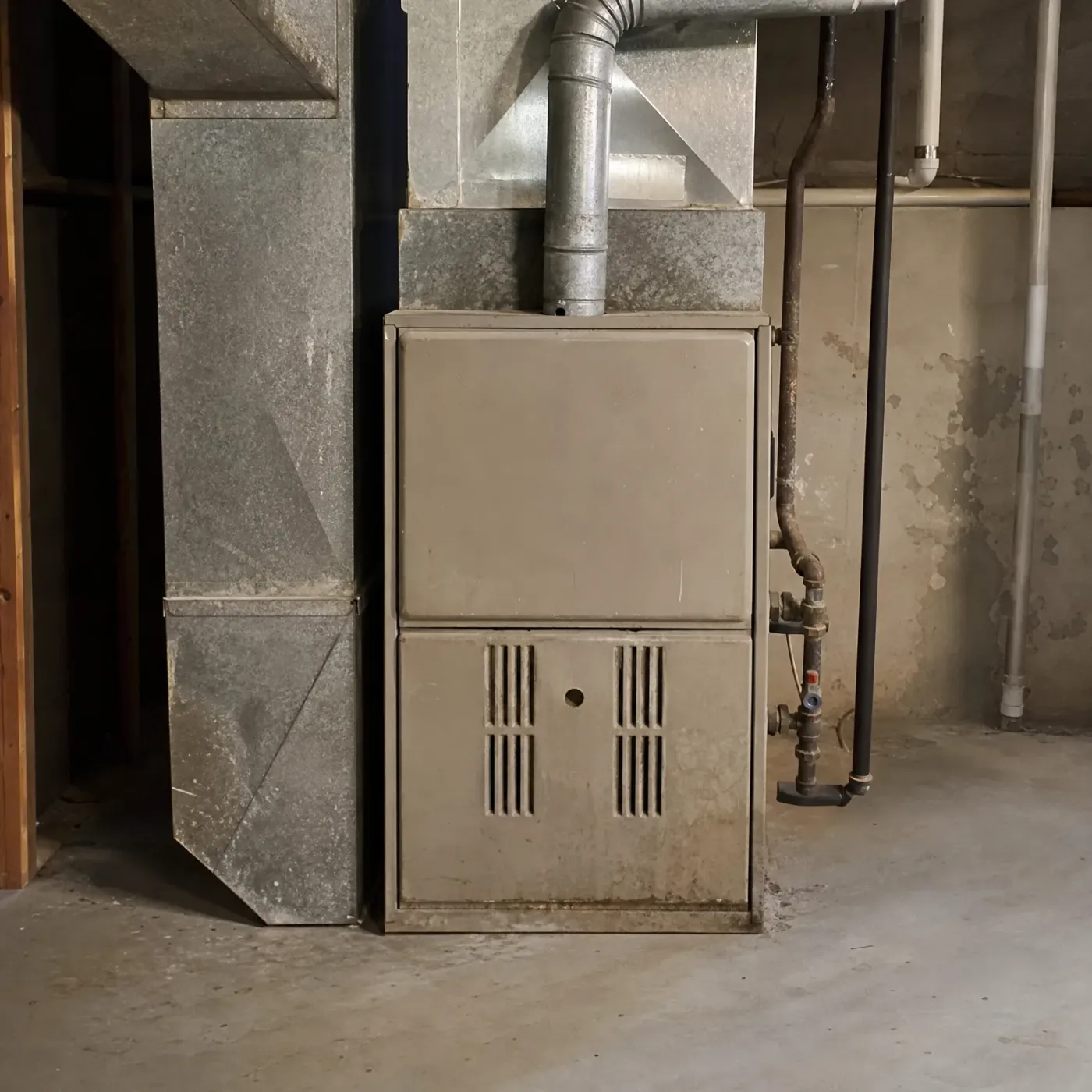
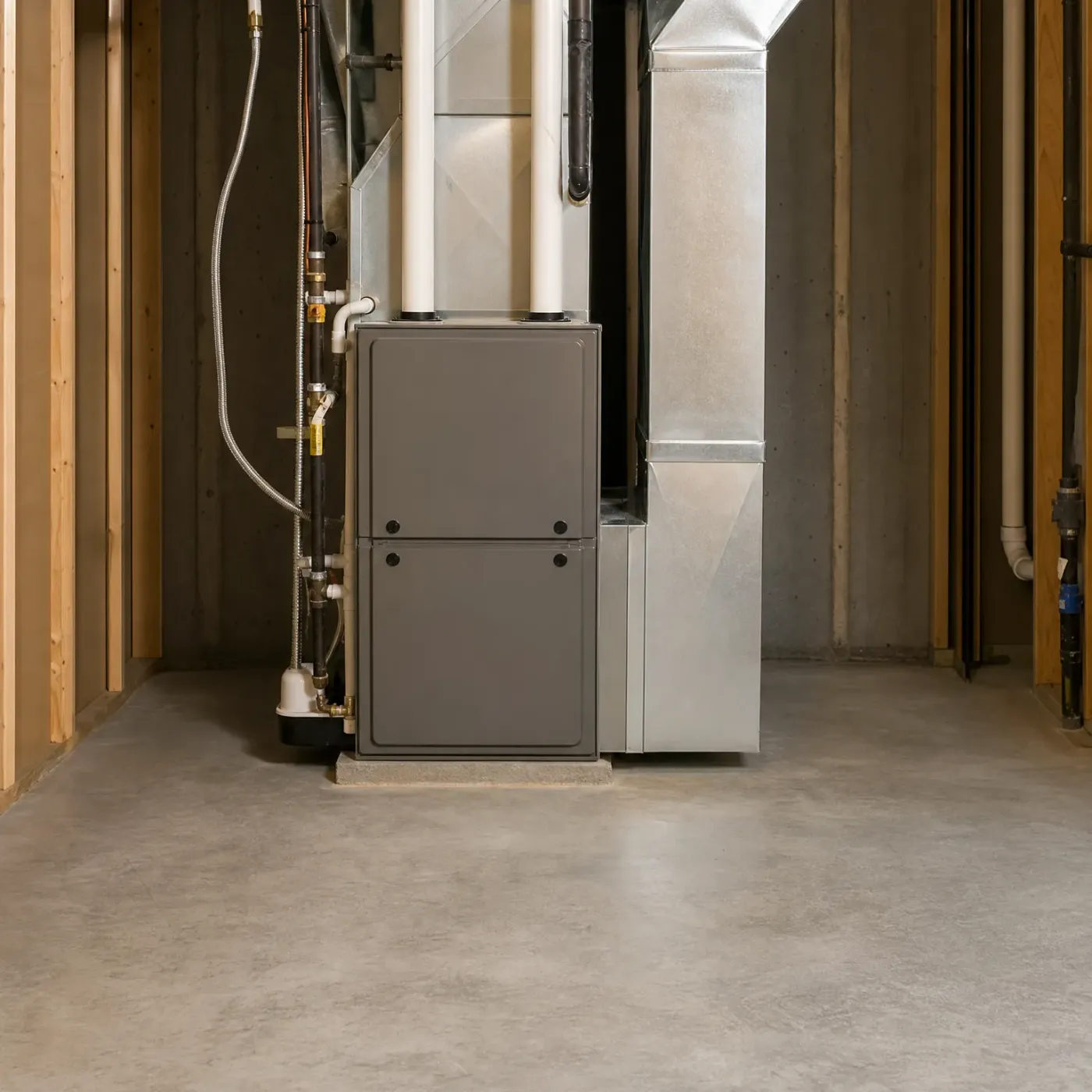
A furnace pilot sits behind a small access panel, but that panel isn't sealed tight. Cold air moving through the cabinet, a return duct nearby, or even a door closing hard in another room can push enough air through the gap to bend the flame sideways. Once the flame moves off the thermocouple, the rod cools fast and the valve reads it as out, even if it's still burning. That's why a pilot can go out at night when the furnace is working the hardest and the house around it is coldest.
What a technician checks first
Before anyone touches the thermocouple, a technician checks where the pilot flame is actually sitting against it. The tip needs to sit inside the blue part of the flame, not above it or off to the side, because that's the hottest point and where the signal is strongest. If the flame's been drifting for a while, the rod itself may have picked up soot or corrosion that blocks the heat transfer. Cleaning or repositioning it solves some calls outright. A rod that's old and weak everywhere gets replaced instead.


Hand off the search today
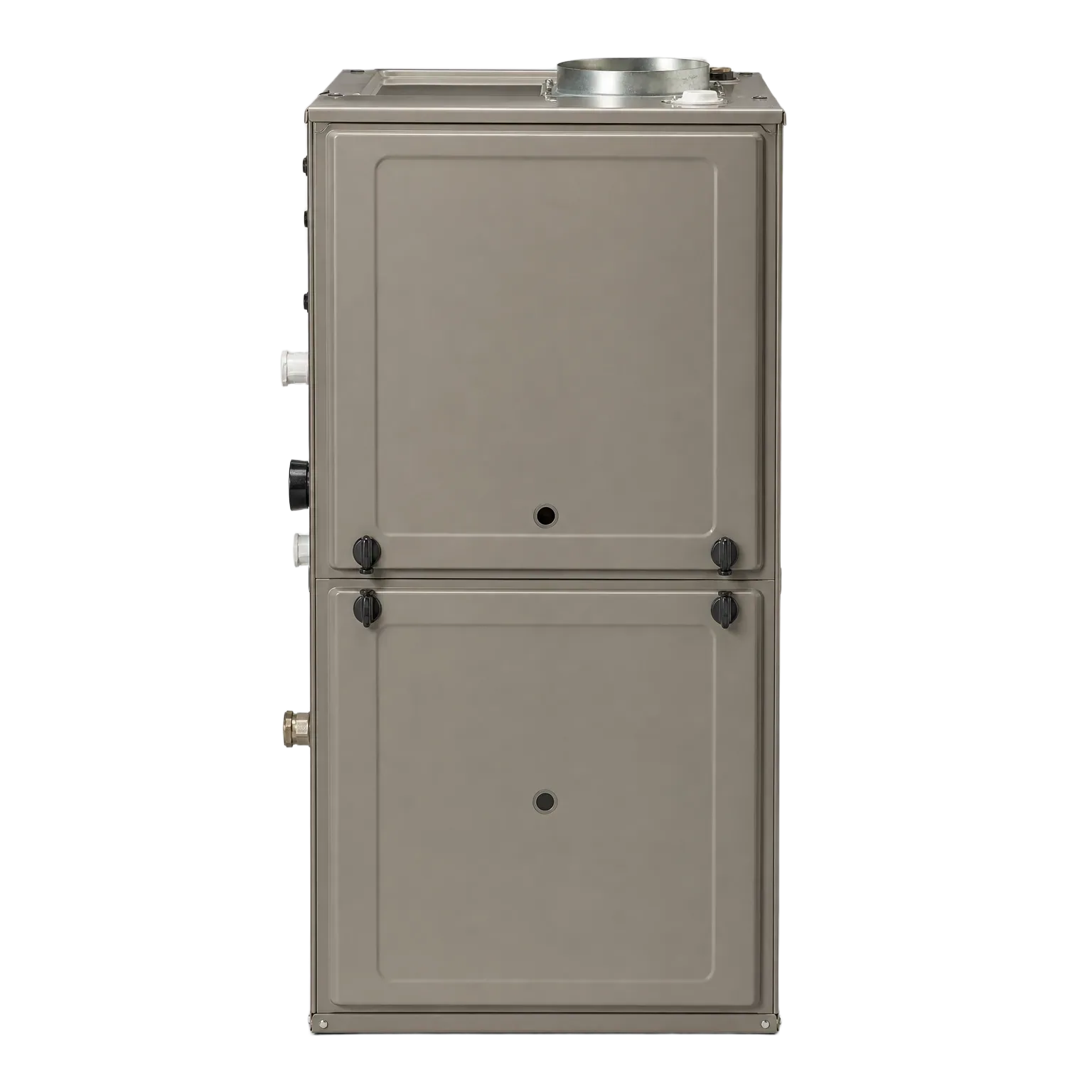
One form replaces the calls you'd make to find a furnace pro.
It costs nothing to send, and you don't have to hire anyone.

Gas flows to the pilot and the burner waits.
The pilot flame heats the thermocouple's tip directly.
The thermocouple sends a small signal to the gas valve.
The valve reads that signal and holds the gas open.
Why does it always go out at night or early morning?
You turn the thermostat up and nothing happens, or you notice the house feels colder than the setting says it should. Check the pilot and it's dark, or burning weak and yellow instead of a steady blue. Relighting it works for a few hours, then you're back at the same panel again before bed. If your home runs on electric heat and the furnace is a backup or part of a dual system, a pilot that won't hold means that backup isn't there when you need it. Left alone over a few cold nights, that's a furnace doing nothing while the temperature drops.
Winter nights across West Virginia average 25°F, according to NOAA climate data, and that cold is what keeps pulling at a weak pilot. Most homes here heat with electricity, so the furnace handling your heat often sits in a basement or closet where cold drafts settle low, right where the pilot burns. A thermocouple that's already struggling to hold its signal has less room for error when the air around it is that cold. You'll notice it most on the coldest nights, the furnace cycling on, the pilot flickering, then nothing. If yours keeps going out as temperatures drop, the cold isn't causing the problem, but it's making a weak thermocouple fail faster.
NOAA nClimDiv 1991-2020 county normals weighted by homes
Relight It Yourself or Call a Tech
Call a repair tech
- A tech can test the thermocouple's millivolt output directly and tell you in minutes if it's below the range the gas valve needs.
- If the real problem is a cracked heat exchanger or a bad gas valve, a tech catches that instead of you replacing a part that wasn't the issue.
- A tech can check whether a draft from a nearby return duct or a loose panel is pulling the flame off the thermocouple.
- Once the form's in, you're done hunting for someone, calling around, and explaining the same pilot light problem over and over.
- A tech carries the part and the tools to swap a thermocouple the same visit, instead of you ordering one and waiting.
Keep relighting it yourself
- Relighting the pilot costs nothing but a few minutes, if it holds once it's lit.
- You can watch the flame color yourself. Steady blue means it's probably fine for now; yellow or drifting means it isn't.
- Relighting it doesn't fix a weak thermocouple. It just gets you heat until the signal drops again.
- If it's going out more than once or twice, you're relighting a pilot on a part that's already failing, usually at the worst hour.
- A furnace that keeps losing its pilot overnight in West Virginia's winter cold means you're waking up to a cold house more than once.
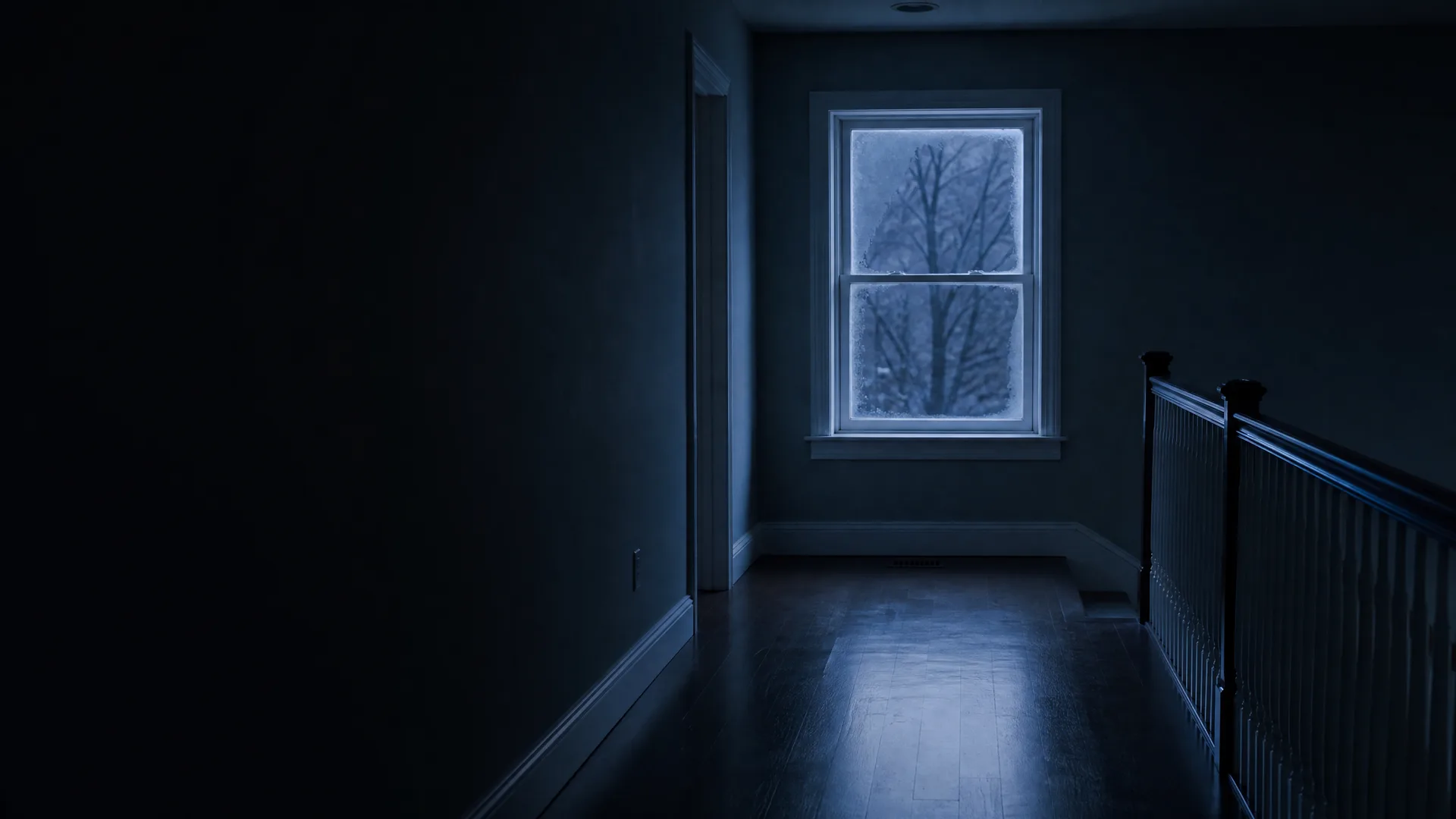
You wake up a little after 2 a.m. because the house feels wrong before you even know why. The hallway floor is cold under your feet. No air moving from the vent, no sound from the furnace at all. Frost has crept up the edges of the hallway window, and the streetlight outside turns it pale blue. You stand there a second, waiting for the blower to kick on like it should, but the house stays quiet. Somewhere below you, in a closet or a basement corner, the pilot has gone dark again. You already know what you'll find if you go check it.
Winter nights average 25°F statewide
A 25°F night is cold enough that even a healthy pilot has no room for error. If the thermocouple's already worn down, that's the kind of cold that finishes the job and leaves the furnace dark till someone checks it.
NOAA nClimDiv 1991-2020 county normals weighted by homes
A thermocouple that keeps failing to hold its signal is the reason your pilot keeps going out, and a worn one doesn't fix itself with another match. Cold nights in West Virginia just make a weak one quit sooner. You could spend an evening looking up gas furnace repair companies, calling the ones with phone numbers listed, explaining the same thing about the yellow flame and the cold hallway to each one, then sitting with two or three quotes trying to guess who's worth the call back. Or you could send one form and let that search be someone else's job instead of yours. The pilot still has to get checked, the thermocouple still has to get tested or swapped, and that part of it takes what it takes. What changes is you're not the one hunting for who can do it. You already know what's wrong and roughly why. What's left is getting a tech in front of it.
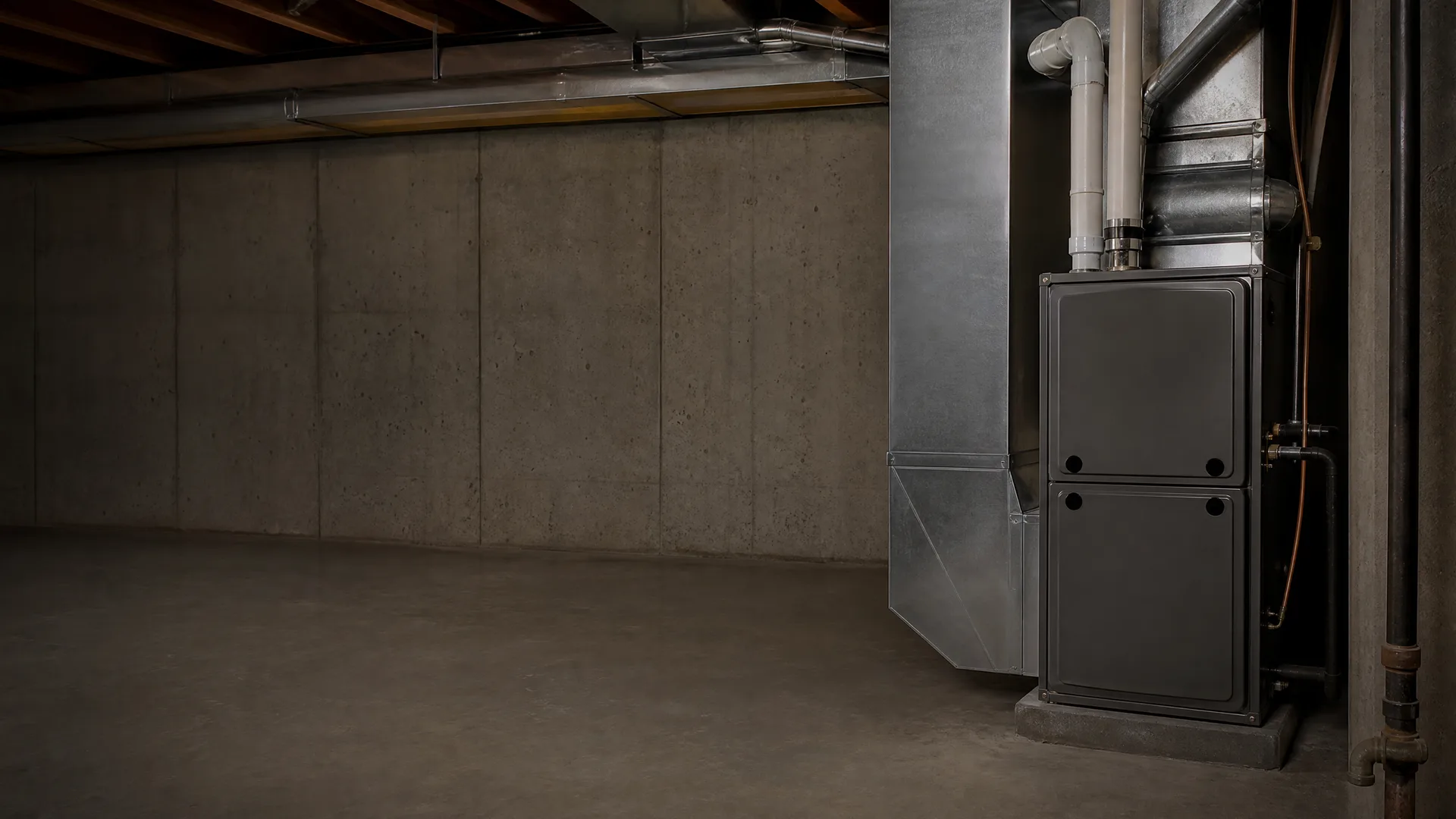
Hand off the furnace problem
Describe what your furnace is doing once, in one form.