Tell us about the job
Takes about a minute. No obligation.
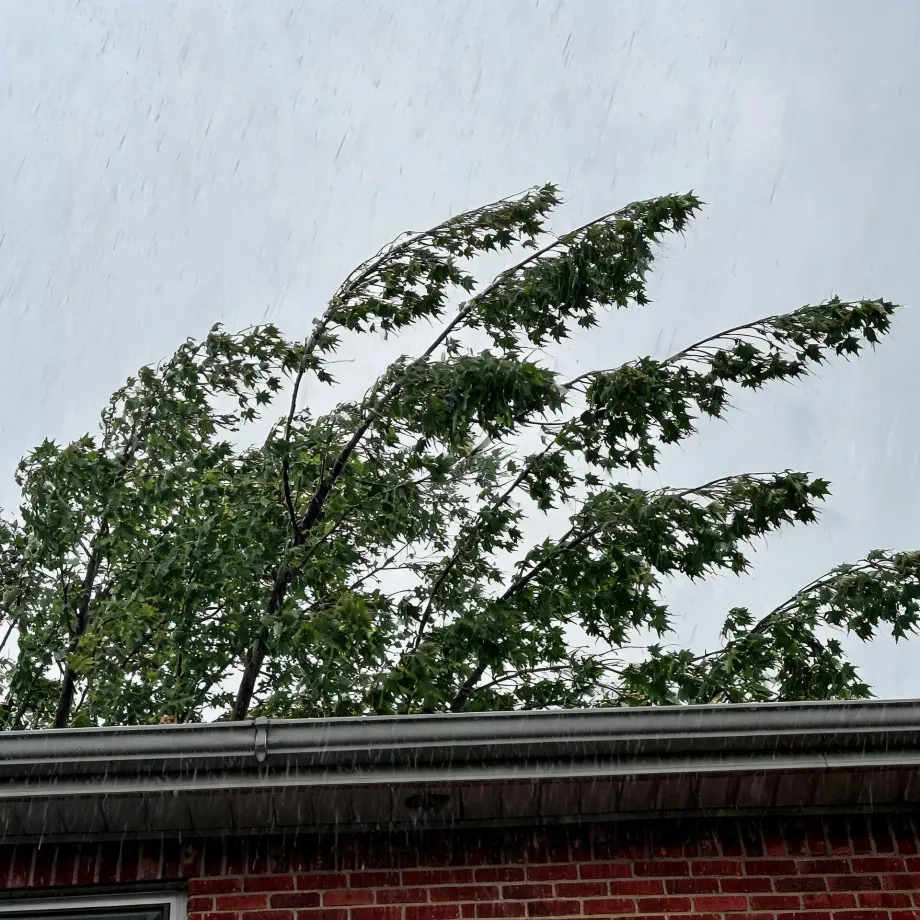
A furnace repair in Marion County calls for a contractor who can separate what the weather has contributed from what age and service history have done. 73 severe weather events were recorded in Marion County, West Virginia between 2015 and 2024. At that rate, severe weather is a recurring presence but not the dominant stress on most systems here. A heat exchanger cracked after years of unfiltered air, or a draft inducer worn down from deferred maintenance, points to upkeep before it points to storms. Contractors working repairs in this area check both, but the maintenance record tends to tell the fuller story.
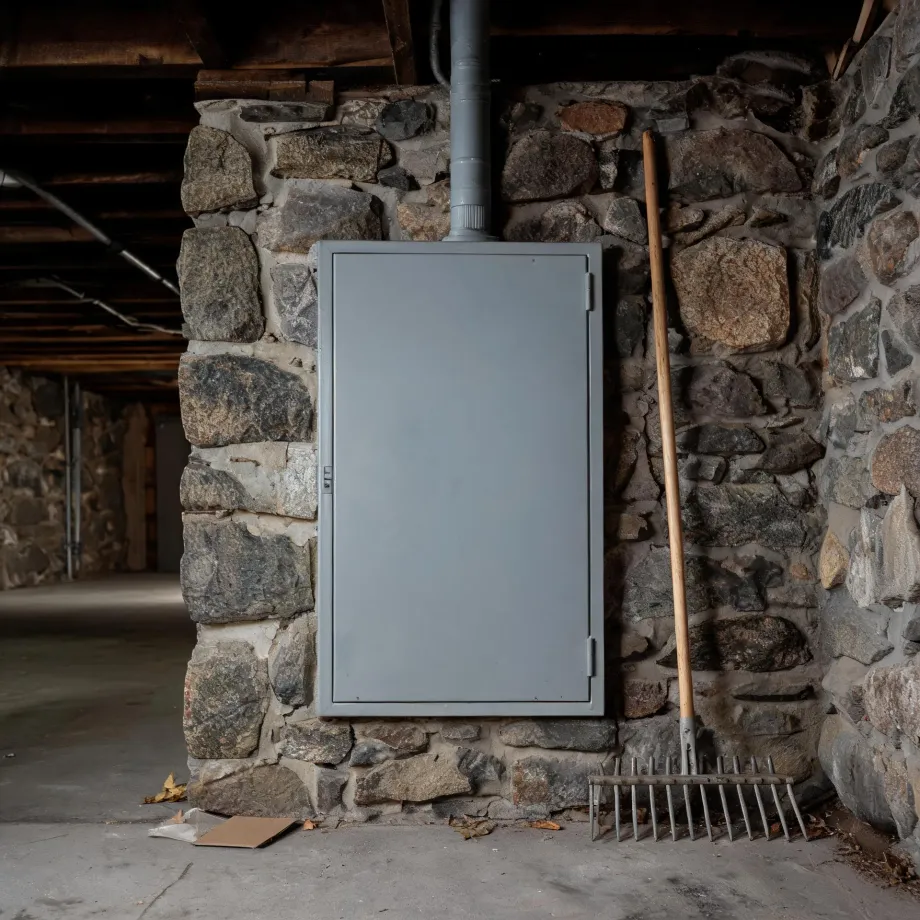
Ductwork and electrical runs in older housing get adapted over the decades as equipment turns over, and what a contractor opens often reflects multiple generations of that work. Half the homes in Marion County, West Virginia were built in 1961 or earlier (2020-2024 ACS 5-year). A furnace sitting in stock that age has usually been replaced at least once since the house went up, which means the repair question is whether the parts the current unit requires are still in production. Heat exchangers, control boards, and igniter assemblies for systems a generation behind the current product line can take time to source or may no longer be available at all, and that gap between what the unit needs and what the supply chain carries is what shapes the repair scope.
The Parts of a Furnace a Contractor Checks First
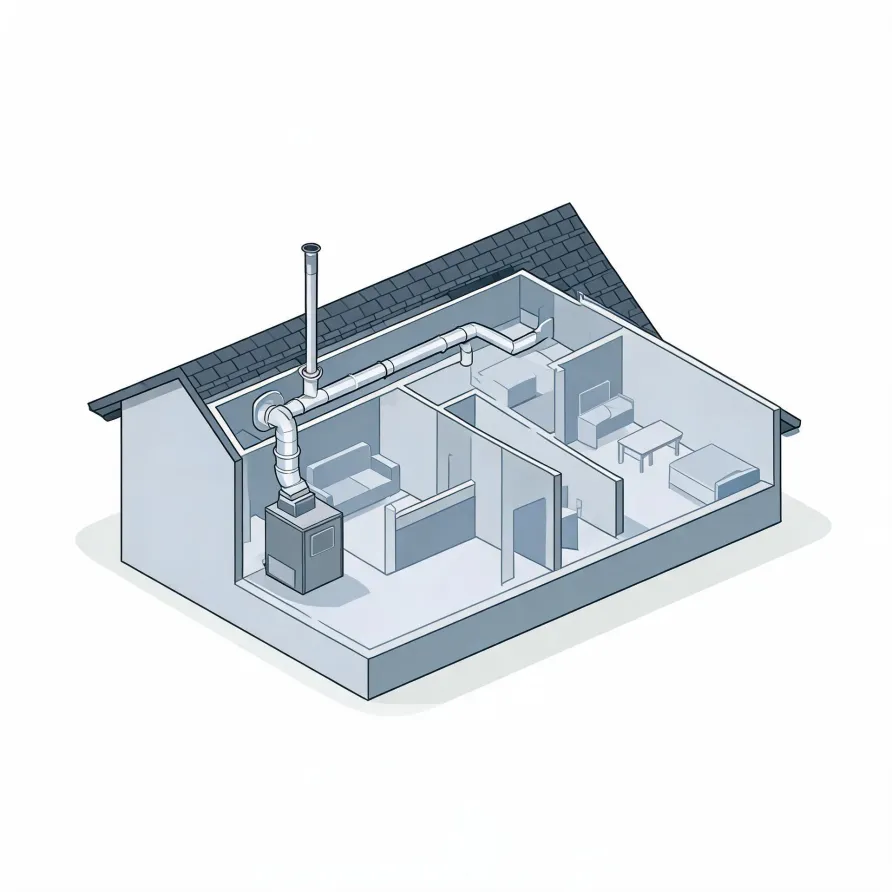
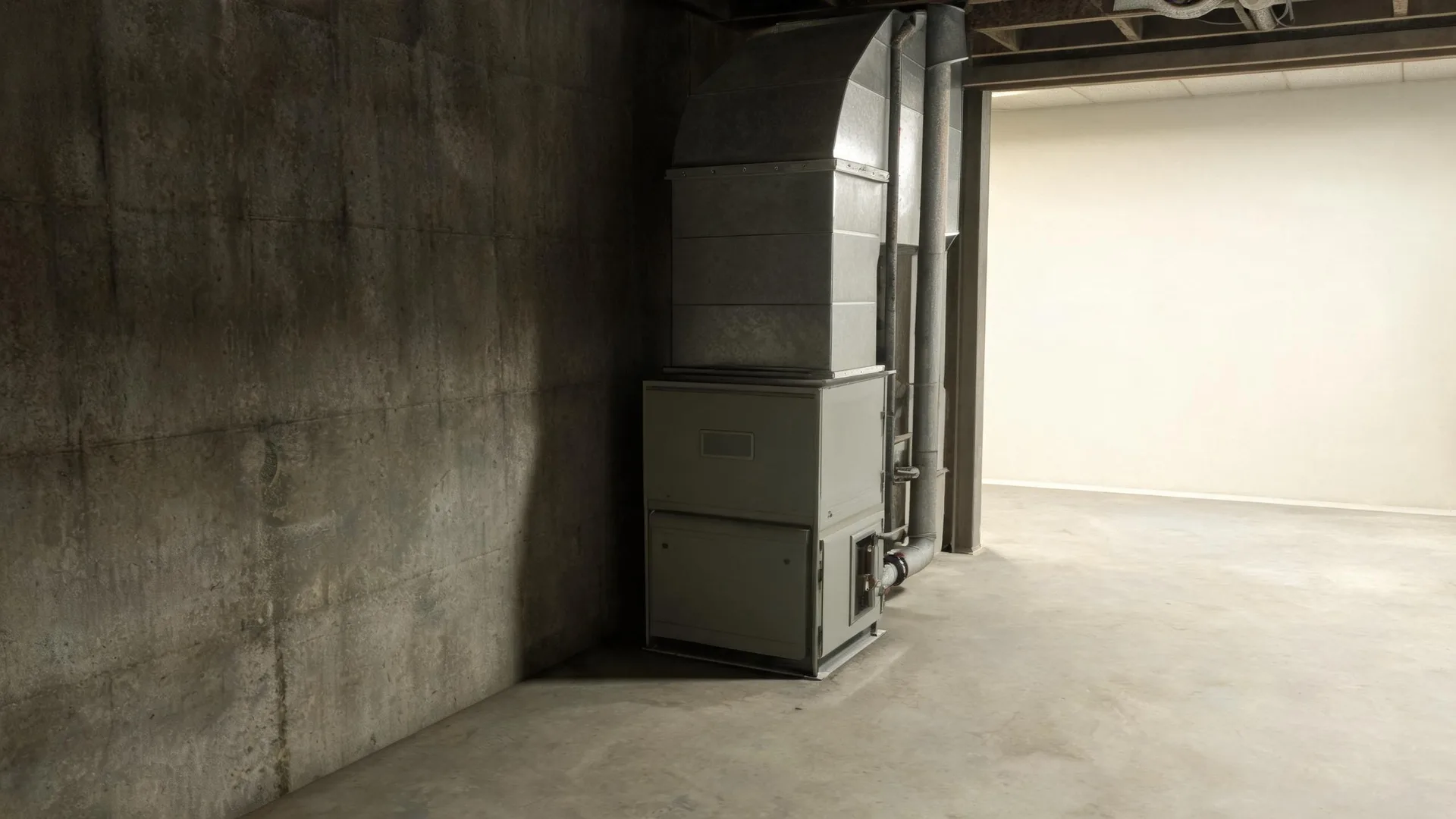
The furnace itself sits in a basement, utility room, or closet and is the piece a contractor goes to first. Inside it, the heat exchanger is the part that fails most quietly and matters most when it does. The burners, which fire inside that exchanger, and the ignitor, which lights them, are early suspects when the unit won't start or runs unevenly.
The blower motor sits at the base of the furnace and pushes conditioned air out into the house. Alongside it, the flue pipe runs from the top of the unit to an exterior wall or roofline and carries combustion gases out. The control board ties all of it together, and a contractor reads it for fault codes before opening anything else.
The drawing shows a general layout of these components, and a licensed contractor determines which parts apply to your specific system and what each one needs.
Find a contractor in Marion CountyMarion County, WV, by the numbers
73 severe weather events were recorded in Marion County, West Virginia between 2015 and 2024.
NOAA National Centers for Environmental Information, Storm Events Database, bulk CSV export, events 2015-01-01 through 2024-12-31.Half the homes in Marion County, West Virginia were built in 1961 or earlier (2020-2024 ACS 5-year).
U.S. Census Bureau, 2020-2024 American Community Survey 5-Year EstimatesMarion County, West Virginia holds 26,276 housing units (2020-2024 ACS 5-year).
U.S. Census Bureau, 2020-2024 American Community Survey 5-Year EstimatesOwners occupy 76.7% of the occupied homes in Marion County, West Virginia (2020-2024 ACS 5-year).
U.S. Census Bureau, 2020-2024 American Community Survey 5-Year EstimatesCodes & Standards Behind Furnace Repair in Marion County, West Virginia5 sourced rules & standards
What Happens When the Contractor Comes Out
Non-weatherized gas furnaces manufactured on or after November 19, 2015 must reach 80.0 percent AFUE.
Non-weatherized oil-fired furnaces manufactured on or after November 19, 2015 must reach 83.0 percent AFUE.
Mobile home gas furnaces manufactured on or after November 19, 2015 must reach 80.0 percent AFUE.
Non-weatherized gas furnaces manufactured on or after December 18, 2028 must reach 95.0 percent AFUE, up from the 80.0 percent minimum that applies to units manufactured before that date.
Licensing Rules for HVAC Work in Marion County, West Virginia
West Virginia requires a licence from the Commissioner of Labor to perform, or offer to perform, work on a heating, ventilating and cooling system.
Severe Weather Events in Marion County
Furnaces in Marion County work against whatever the local climate puts them through, and that workload shapes how often repairs are needed and how hard the equipment runs. Weather history is part of understanding why heating systems here age the way they do.
73 severe weather events, 2015–2024. Source: NOAA National Centers for Environmental Information, Storm Events Database.