1 to 3 months
Check the filter monthly and swap it once it looks gray or clogged. A furnace that runs hard through a West Virginia winter dirties a filter faster than one left idle.

Every 1 to 3 months, depending on the filter and how hard your furnace is working. A cheap fiberglass filter needs changing every month. A pleated filter can run 2 to 3 months before it starts choking airflow. Most homes in West Virginia heat with electric furnaces, and a clogged filter makes that furnace run longer to push the same heat through the house, which shows up on the electric bill before you notice anything else wrong. Check it when the season turns, since West Virginia winters put real hours on a furnace and summers here get sticky enough that the same system may be pulling double duty with a heat pump or AC. Pull the filter and hold it up to a light. If you can't see light through it, it's done, no matter what the calendar says.


Check the filter monthly and swap it once it looks gray or clogged. A furnace that runs hard through a West Virginia winter dirties a filter faster than one left idle.
A clogged filter makes the furnace work harder to push air through the ducts, and that shows up on an electric bill before anything else does.




A filter checked every month costs you a few minutes and nothing else. You see it's clean, you put it back, you move on. If it's dirty, you've caught it before it cost you anything.
Skip those checks and the furnace doesn't tell you until it's struggling. A choked filter makes the blower run longer to push the same heat through the house, and that shows up on your electric bill before you ever think to look at the filter itself.
Nights in the mid-20s mean your furnace is cycling on for hours at a stretch, not just a quick burst here and there. All that runtime pushes a lot of air through the filter, so it earns the dirt faster. Check it before the cold sets in and you won't be caught guessing in January.
NOAA nClimDiv 1991-2020 county normals weighted by homes
Your furnace pulls air in, pushes it through the filter, then across the heat exchanger or the electric coils, and the blower sends it out into the ducts. That order matters. The filter sits right before the part that heats the air, so whatever gets past it either clogs the system or ends up in the air you breathe. When the filter loads up with dust, less air makes it through, and the exchanger or the coils can't shed the heat they're building. Some furnaces respond by shutting themselves off on a high-limit switch. That's not a sign something broke. It's a safety control doing its job, protecting the exchanger from overheating when airflow drops too low. An electric furnace works the same way, just with resistance coils standing in for a gas flame. The air still has to cross the filter first, and the coils still need that air moving to stay within range. How fast the filter gets to that point depends on what kind it is. A standard one-inch filter catches less dust per pass and clogs sooner. A four-inch media filter holds a lot more before it chokes airflow, so it can go longer between changes. Either way, the blower motor is the part that pays for a dirty filter first. It has to work harder to pull the same amount of air through, and that extra strain shows up as higher electric use before the furnace ever trips its high-limit switch or needs a repair.
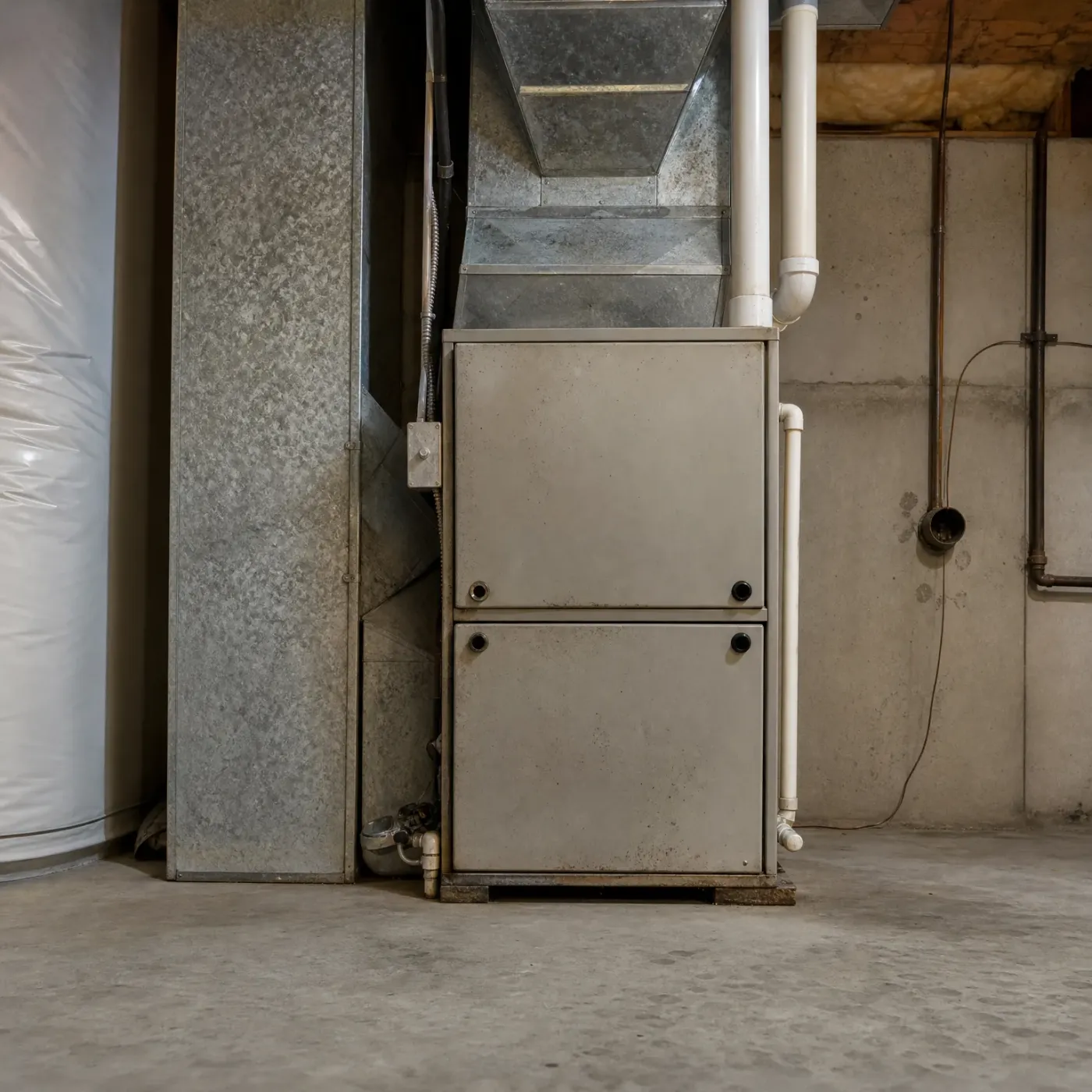
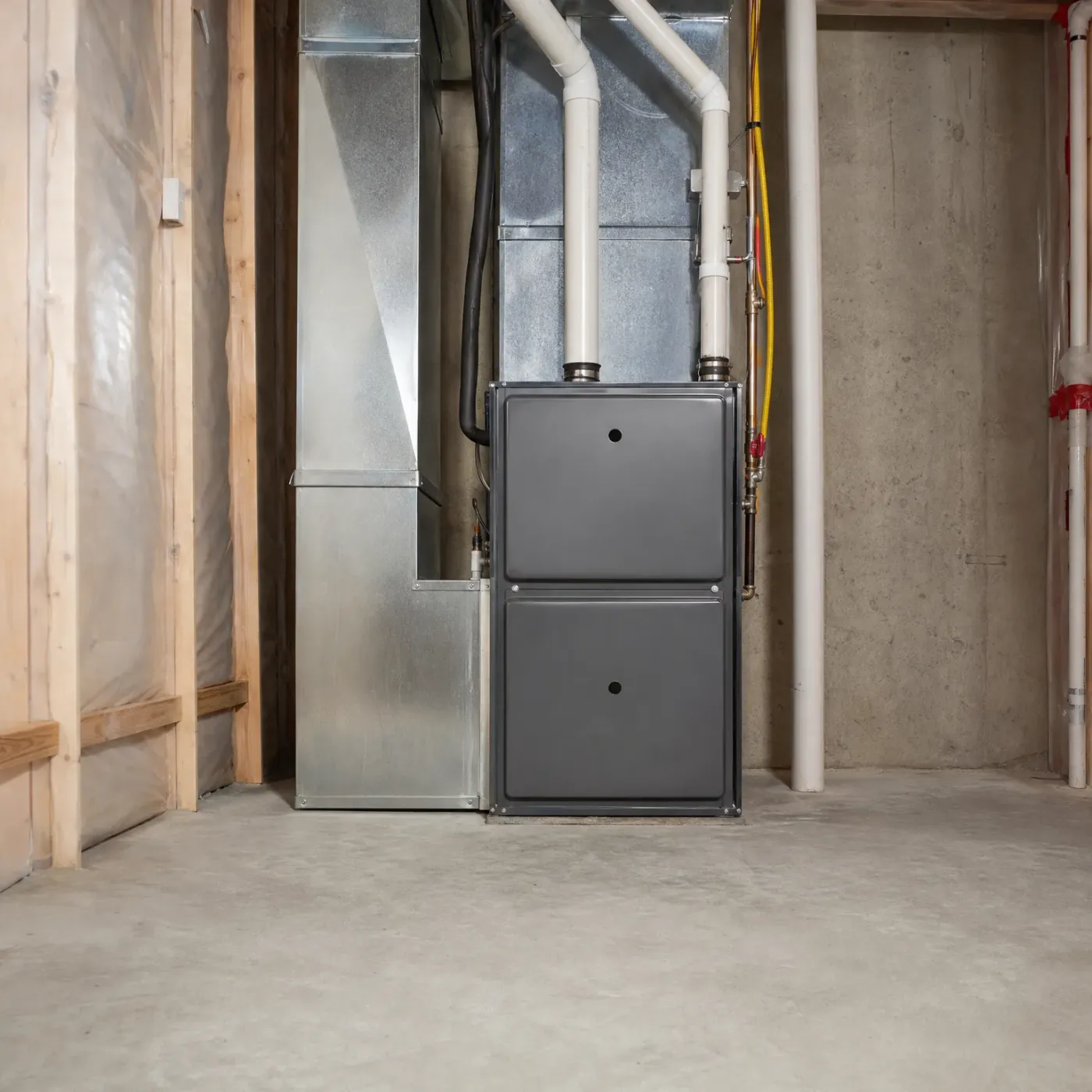
A furnace that keeps shutting off on a high-limit switch, or one that's just not keeping up on a cold night, usually comes down to that filter. You could pull it, hold it up to the light, decide if it's bad, drive out for a new one, and go through that same guess every month all winter. Or you could have someone who does this for a living look at the whole system once, filter included, and tell you what it actually needs. That's what maintenance gets you: someone who checks the filter along with the blower, the exchanger, and the rest of what moves air through your house, instead of you guessing in the basement with a flashlight. Finding that person usually means calling around, explaining the same thing two or three times, and sorting through quotes that don't match up. Send the request here and that part is done. You're not chasing anyone down. West Virginia winters don't give a tired furnace much slack, and a filter is the easiest part of that system to get ahead of, once someone's looked at the rest of it with you.
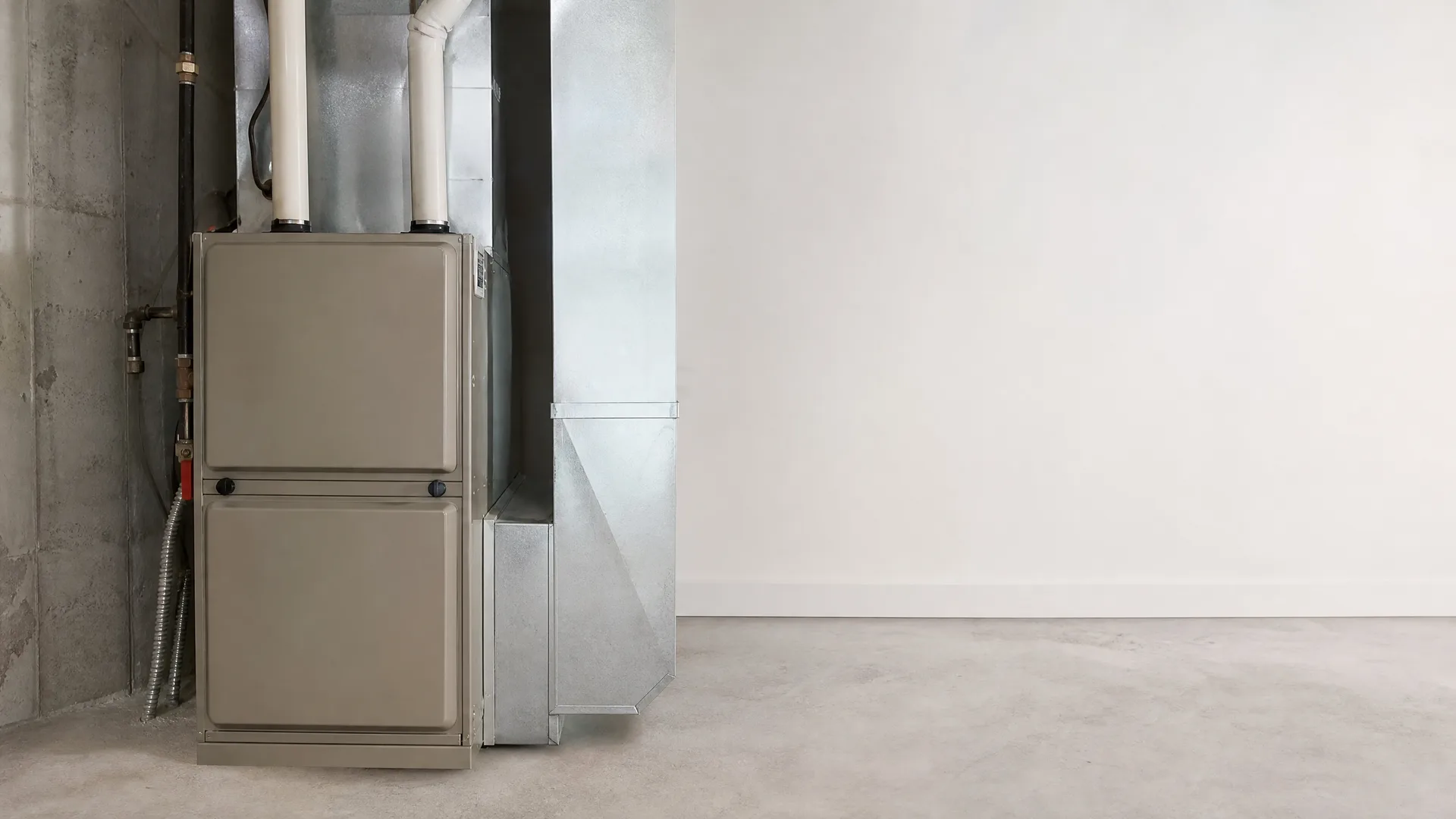
An electric furnace pushes heated air through the filter before it ever reaches your rooms. When that filter is packed with dust, less air gets through, so the furnace runs longer trying to bring the house up to temperature. You'll notice rooms farthest from the furnace staying cool while the thermostat shows the set temperature reached. The furnace isn't broken. It's just not moving enough air to heat the whole house evenly.
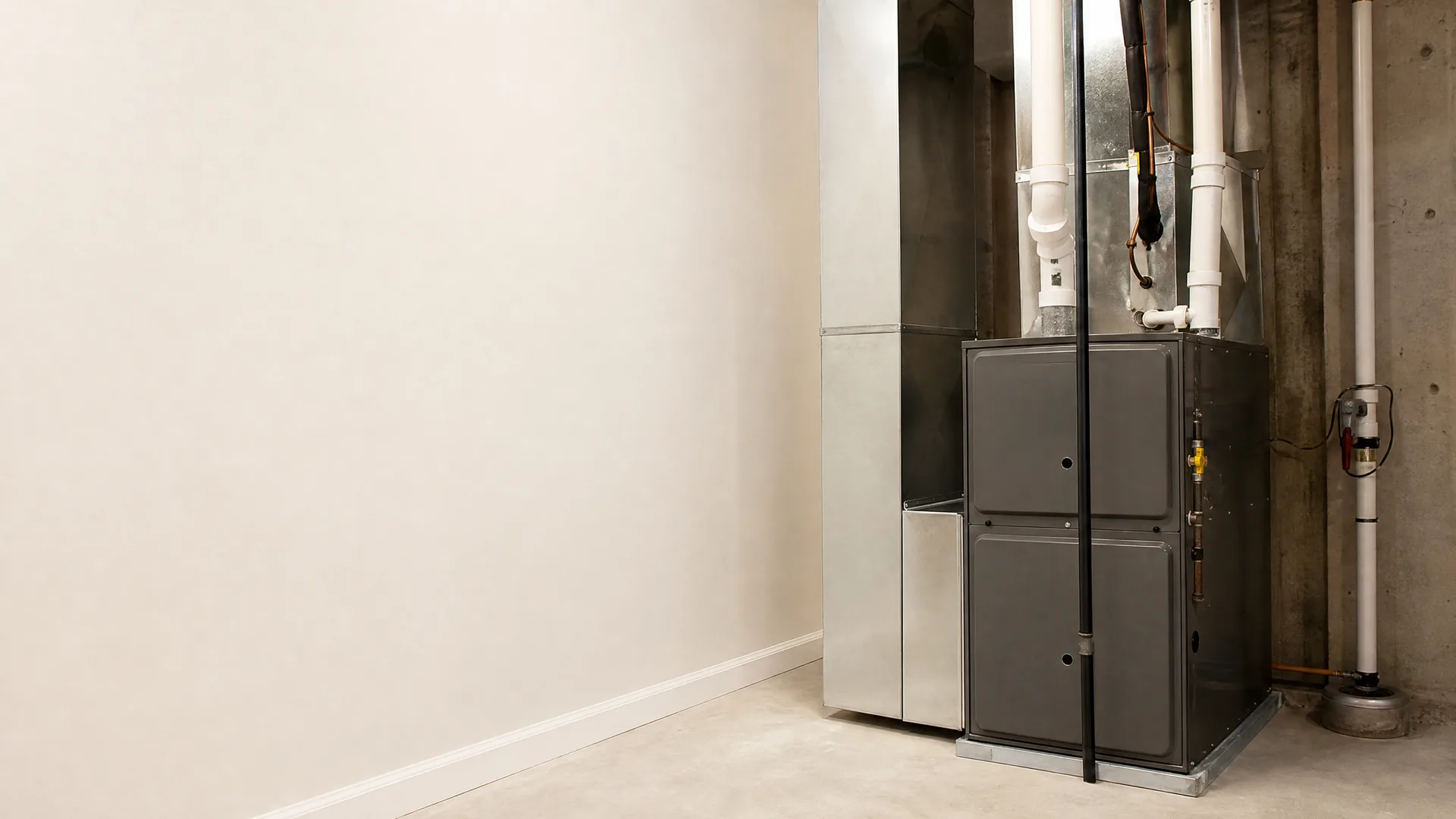
Electric furnaces draw a steady amount of power whenever they're running, so a furnace fighting a dirty filter just runs more hours to do the same job. That shows up on your bill even with power priced the same as always. A $10 filter changed on time costs you almost nothing. The same filter left in through a cold month can quietly add runtime you never see until the bill arrives.
Walk through the house and you'll notice it before you can explain it. The room farthest from the furnace feels cooler than the rest, the air coming out of the vents feels weak even when you hold your hand right up to them, and the furnace seems to run and run without the house ever quite catching up. Some people notice the electric bill climbing before they notice anything else. All of that usually traces back to a filter that's choked with dust, cutting the airflow the furnace needs to move heat where it's supposed to go. Left that way through a West Virginia winter, it's the furnace working hardest for the least result.
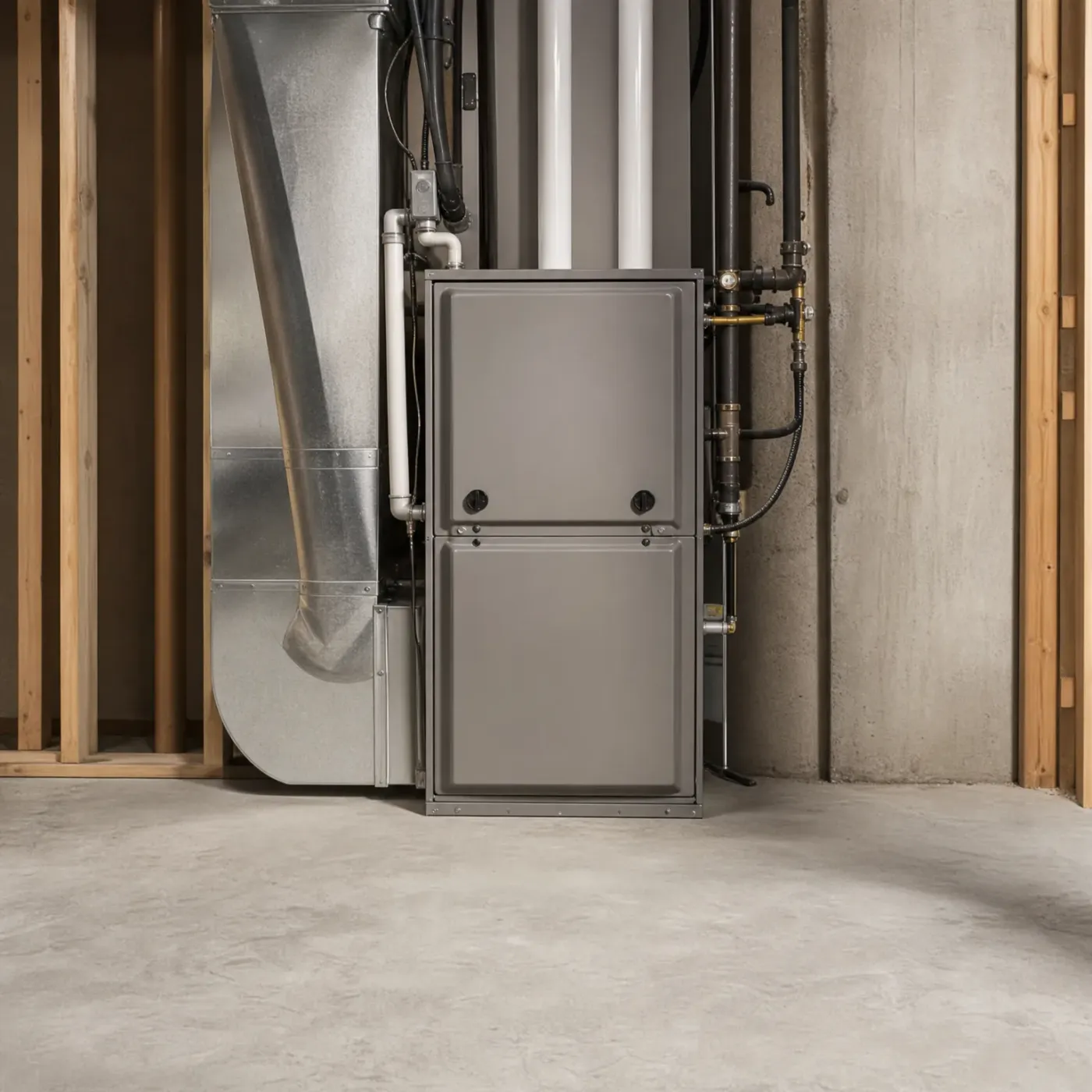
With a clean filter the furnace pulls air through easily and sends it on to the heat exchanger without a fight. The blower runs the amount of time it needs to and shuts off. Nothing in the cabinet is working harder than it has to.
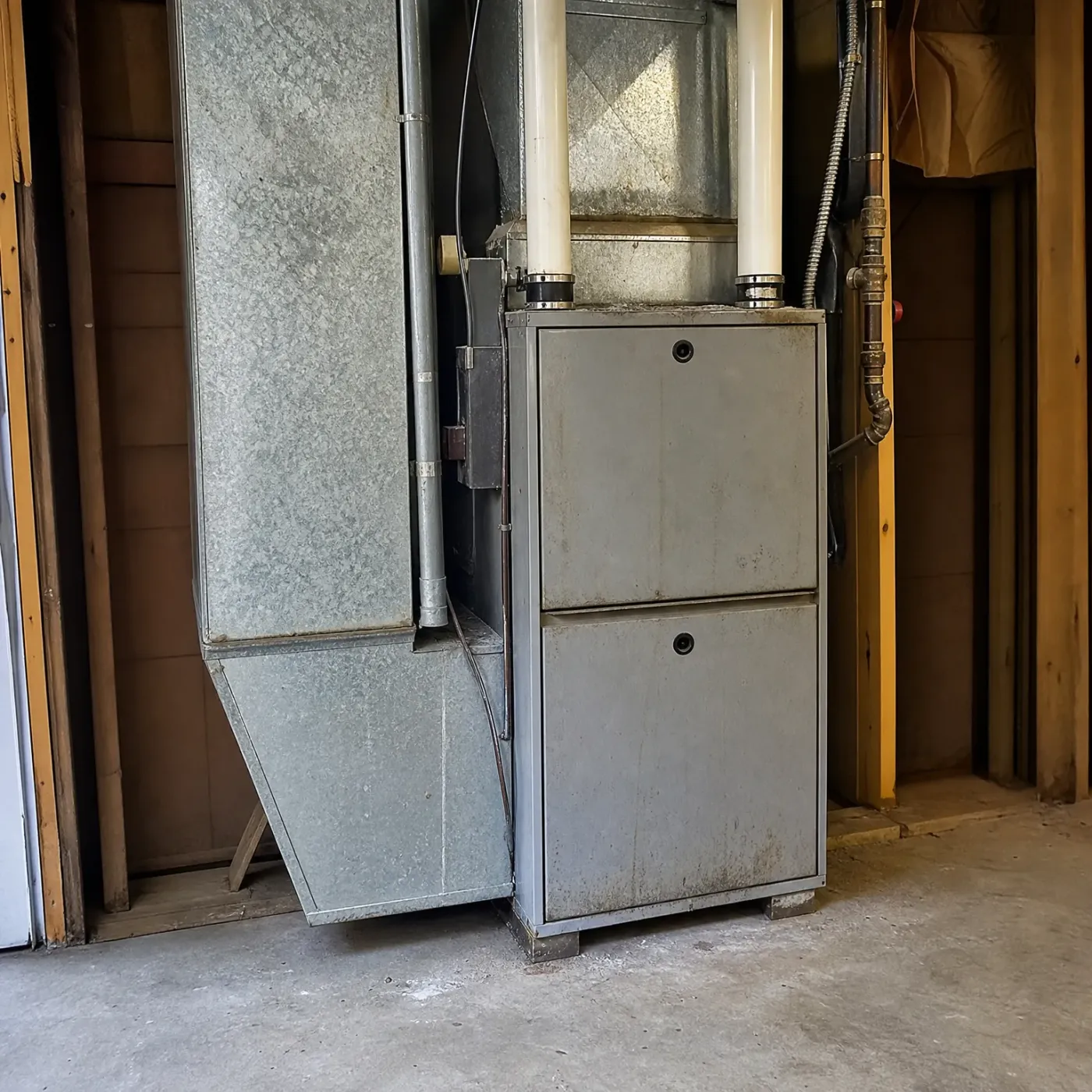
This furnace has been breathing through a dirty filter for a while. The blower strains to pull air past it, runtime stretches out, and the extra heat and wear show up as surface rust on the cabinet. Left alone, it keeps asking more of a unit already struggling to keep up.

Every 1 to 3 months, and a look each month tells you which end of that range your house falls on. A cheap fiberglass filter wears out fast. A pleated one buys you more time. Either way, a furnace running hard through a cold West Virginia stretch earns a dirty filter sooner than one that barely kicks on. You've seen what that filter is tied to: the airflow, the heat exchanger, the rooms that run cold when it's choked. None of that changes. What changes is whether you catch it in time.
You don't have to sort through contractors to get someone out to look at it. No calling around, no repeating the same story about the cold room and the furnace that won't stay on, no sitting with a stack of quotes trying to guess which one is fair. Send the form once and that search is off your plate. Where things stand with your furnace stays simple either way: check the filter, change it on schedule, and let someone licensed handle the rest when it's time.

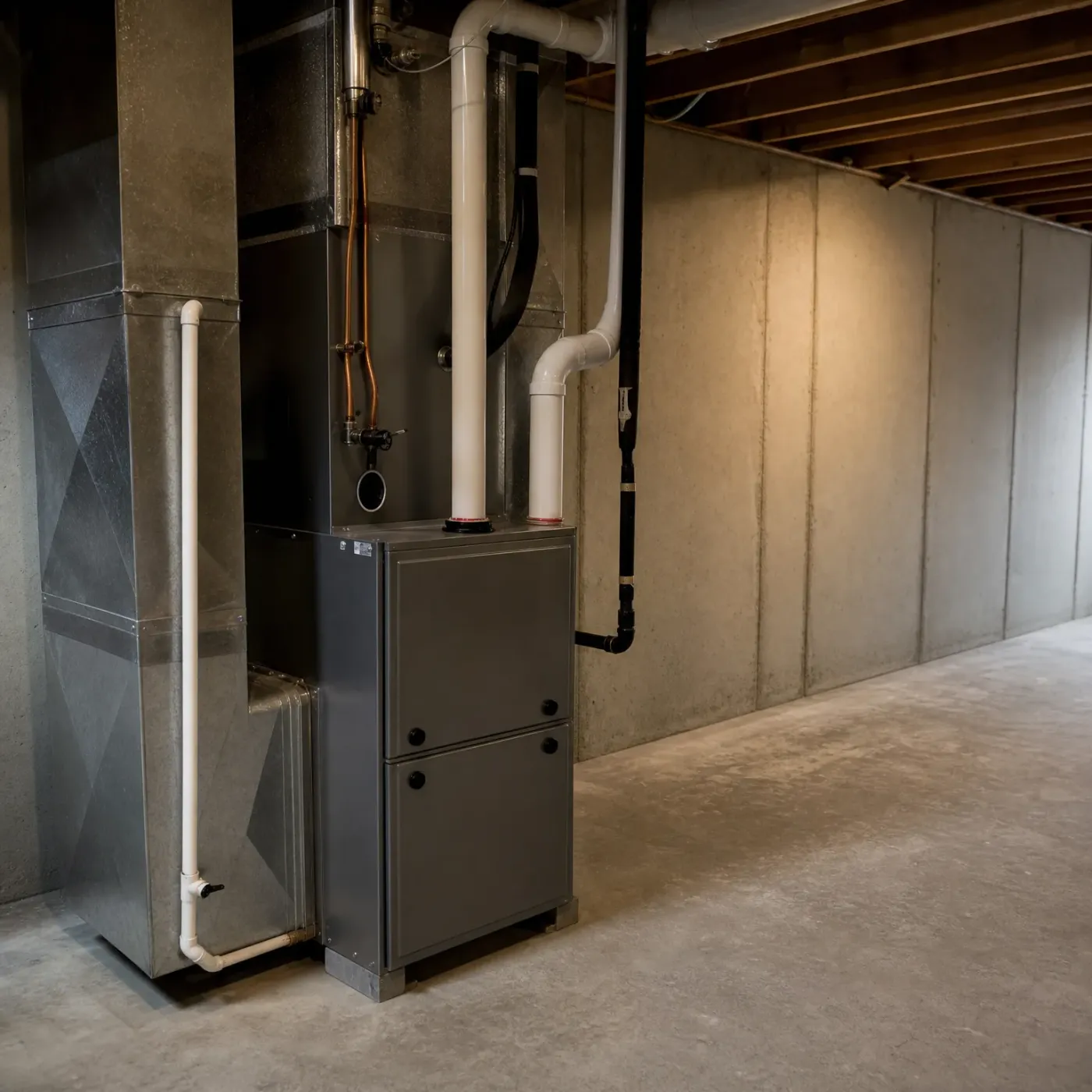
Skip calling around to set up a furnace tune-up.
You're not committing to anything by asking.