Run it and wait
You keep using the furnace while you watch for the smell, the soot, the flame color. If it is cracked, every night it runs is more carbon monoxide getting into the air you breathe.
Hand off the furnace problem
A cracked heat exchanger is a safety problem, not just a repair one, and it doesn't always announce itself with obvious signs. Most homes here heat with electricity, so a furnace issue can be easy to put off. This page covers what to look and smell for. Send the form and skip the part where you're the one calling around to find someone who can look at it.
Let a pro reach outA cracked heat exchanger shows up as a strange smell when the furnace runs, soot around the burner or vent, a flame that flickers yellow instead of burning steady blue, or a headache and nausea that lift when you leave the house. It happens because the metal box carrying the burning gas heats and cools every time the furnace cycles on and off, and over years that expands and contracts the metal until it splits. Once it cracks, carbon monoxide can leak into the air moving through your ducts instead of staying contained and vented outside. Since most homes here heat with electricity, your furnace may run less often than a gas furnace would elsewhere, but that doesn't make a crack less dangerous when it happens. If you notice any of these signs, the furnace needs to be shut off and checked before it runs again.
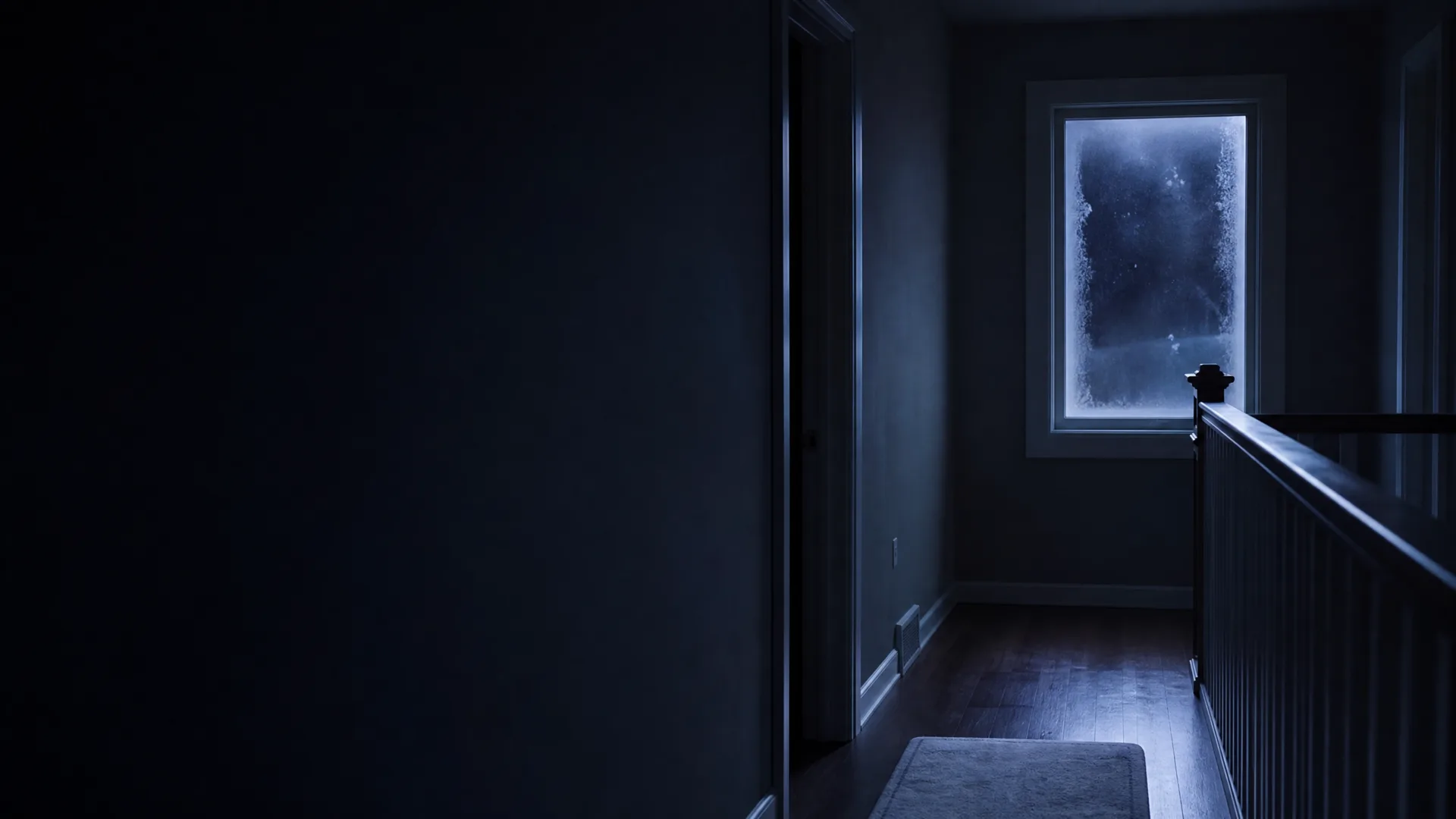
You're awake before you know why. The hallway floor is cold under your feet, colder than it should be. Frost has crept up the edges of the window glass, a thin white lace catching the streetlight outside. You stand there a second, listening. No air moving. No hum from the vent. Just the furnace somewhere below, running, the smell of it drifting up faint and wrong. Your head feels tight behind the eyes. You go back toward the bedroom and the ache eases a little with each step away from the hall. Downstairs the furnace keeps running, same as it has all night.
If you notice it mostly when the furnace is running, a sharp or formaldehyde-like smell near the unit is worth paying attention to, along with a fine soot dusting the floor or wall around it. Check the flame through the viewing window. It should burn a steady blue. If it's leaning yellow or orange, or dancing instead of holding still, that's a sign something downstream of the burner isn't right. Headaches, nausea or feeling foggy while you're home, then better once you've been outside or at work for a while, is the one to take seriously. Open a window, shut the furnace off, and get it looked at before you run it again.
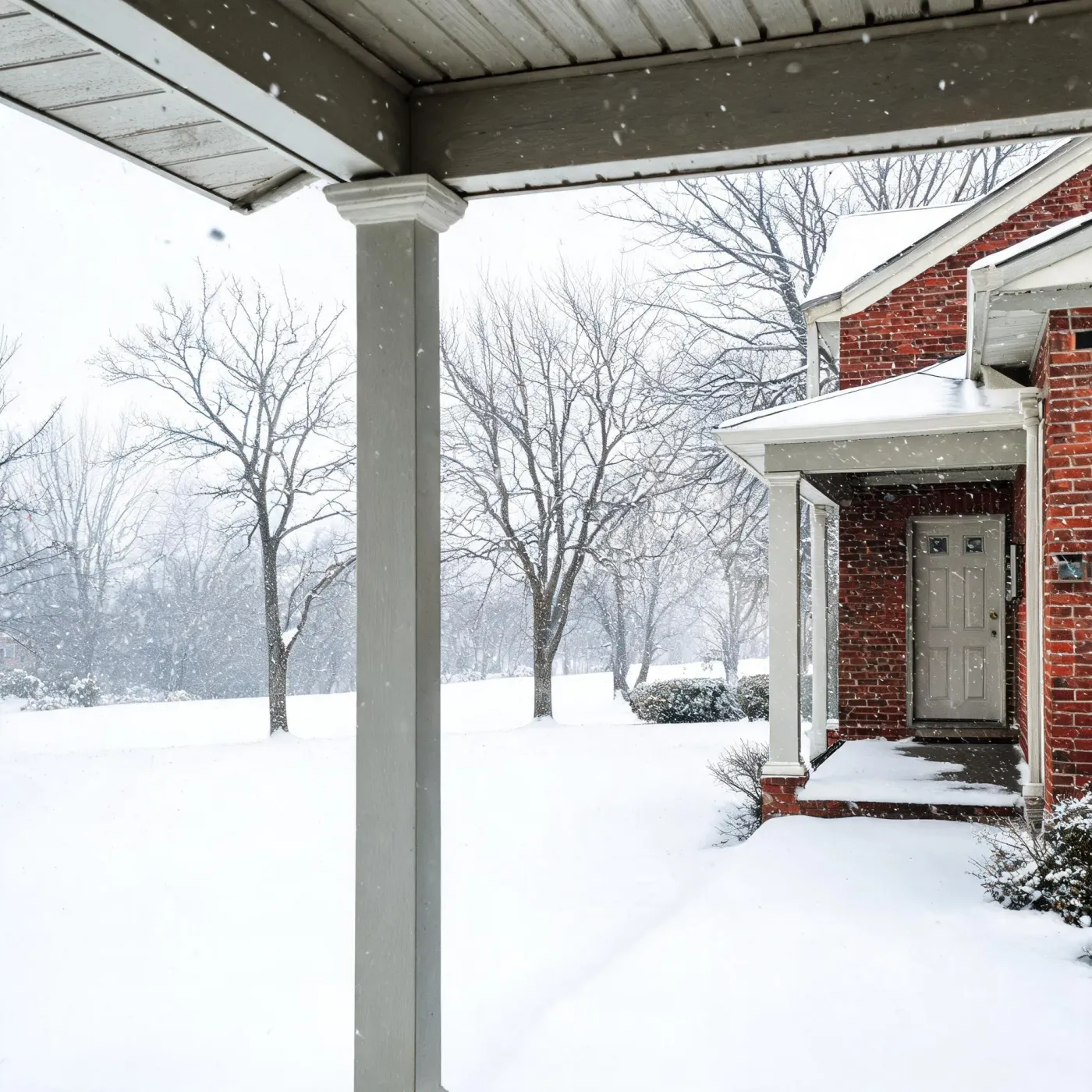
Winter nights across West Virginia average 25°F, according to NOAA climate data. That's cold enough for a furnace to run long stretches at night without shutting off much. A heat exchanger that's already cracked gets stressed more on nights like this, since the metal keeps heating and expanding for hours at a time instead of cycling off and cooling down. If a crack is there, this is when you're most likely to notice something: a smell when you walk past the furnace closet at 2 a.m., or a headache that's gone by morning once you've been outside. Most homes here heat with electricity, so it's easy to assume the furnace is fine as long as the house feels warm. Cold nights are when it's worth paying closer attention instead.
NOAA nClimDiv 1991-2020 county normals weighted by homes




You keep using the furnace while you watch for the smell, the soot, the flame color. If it is cracked, every night it runs is more carbon monoxide getting into the air you breathe.
A contractor tests the exchanger directly instead of guessing from symptoms. Send the form once and skip calling around to find someone who can look at it this week.

A heat exchanger is a sealed metal chamber. The burner fires inside it, and the exhaust, including carbon monoxide, is supposed to stay inside that chamber until it's pulled out through the flue. A blower pushes your house air around the outside of the chamber, where it picks up heat, then sends it through the ducts. Air and exhaust are only supposed to meet at the flue, never before.
A crack breaks that separation. Once metal fatigues and splits, usually from years of heating up and cooling down, exhaust can leak straight into the air the blower is pushing into your rooms. You can't see a crack from outside the cabinet, and you likely can't get to it yourself even with the panel off. A contractor checks it with a camera run inside the chamber, sometimes with dye or smoke to see if anything's drawing through. That's not a guess you want to make by calling around and hoping whoever answers first knows what they're doing. Once you send the details through, you're done hunting for someone qualified to look.

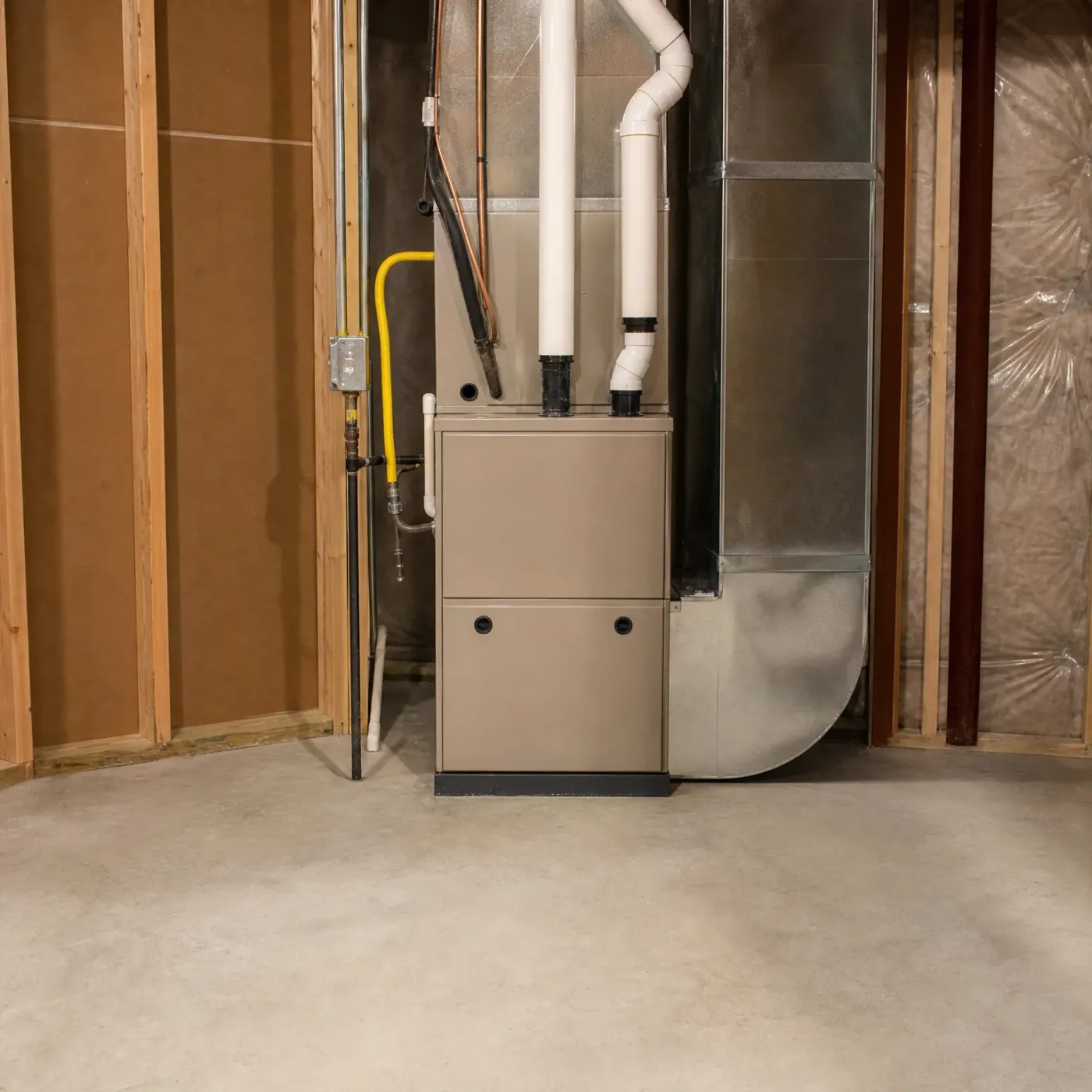
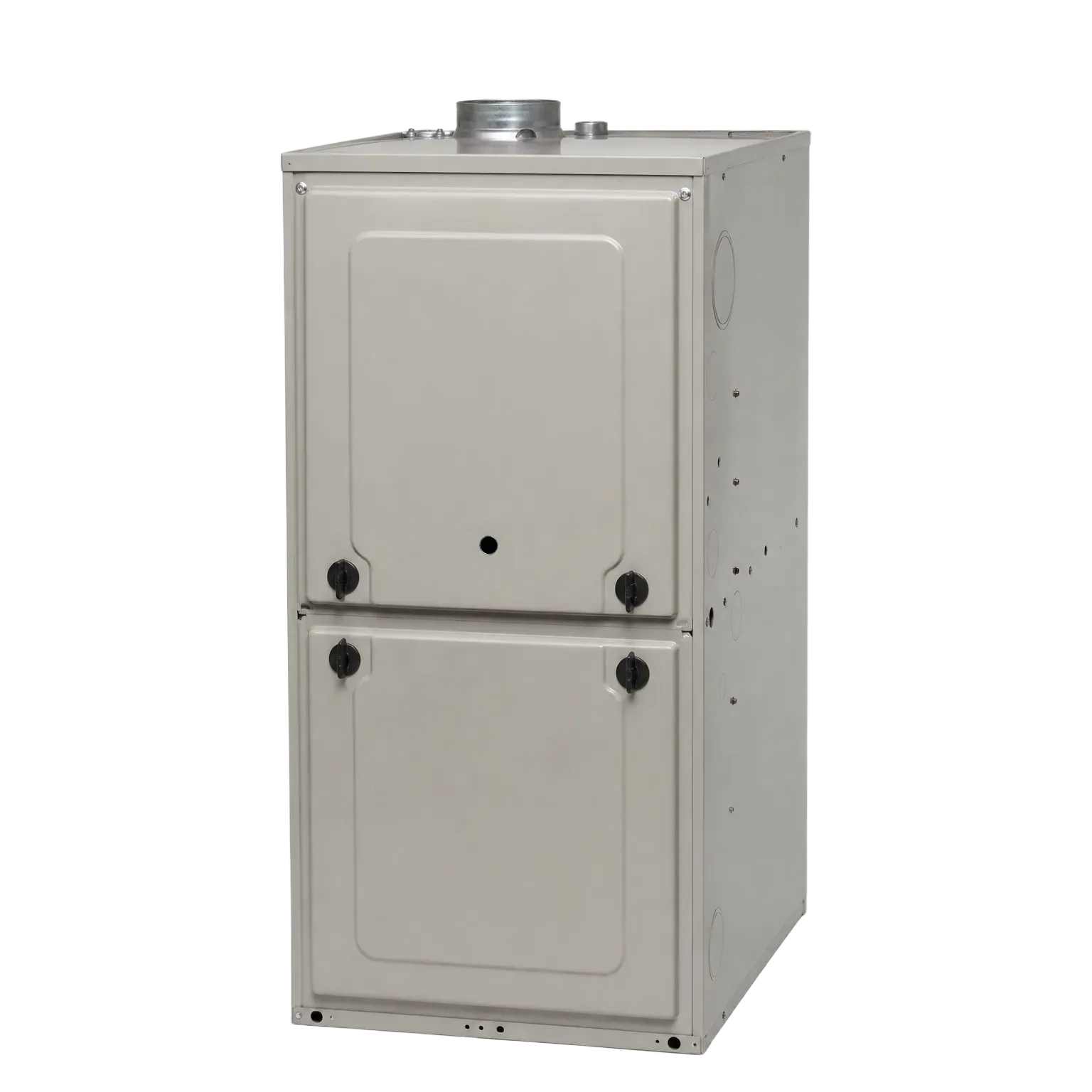
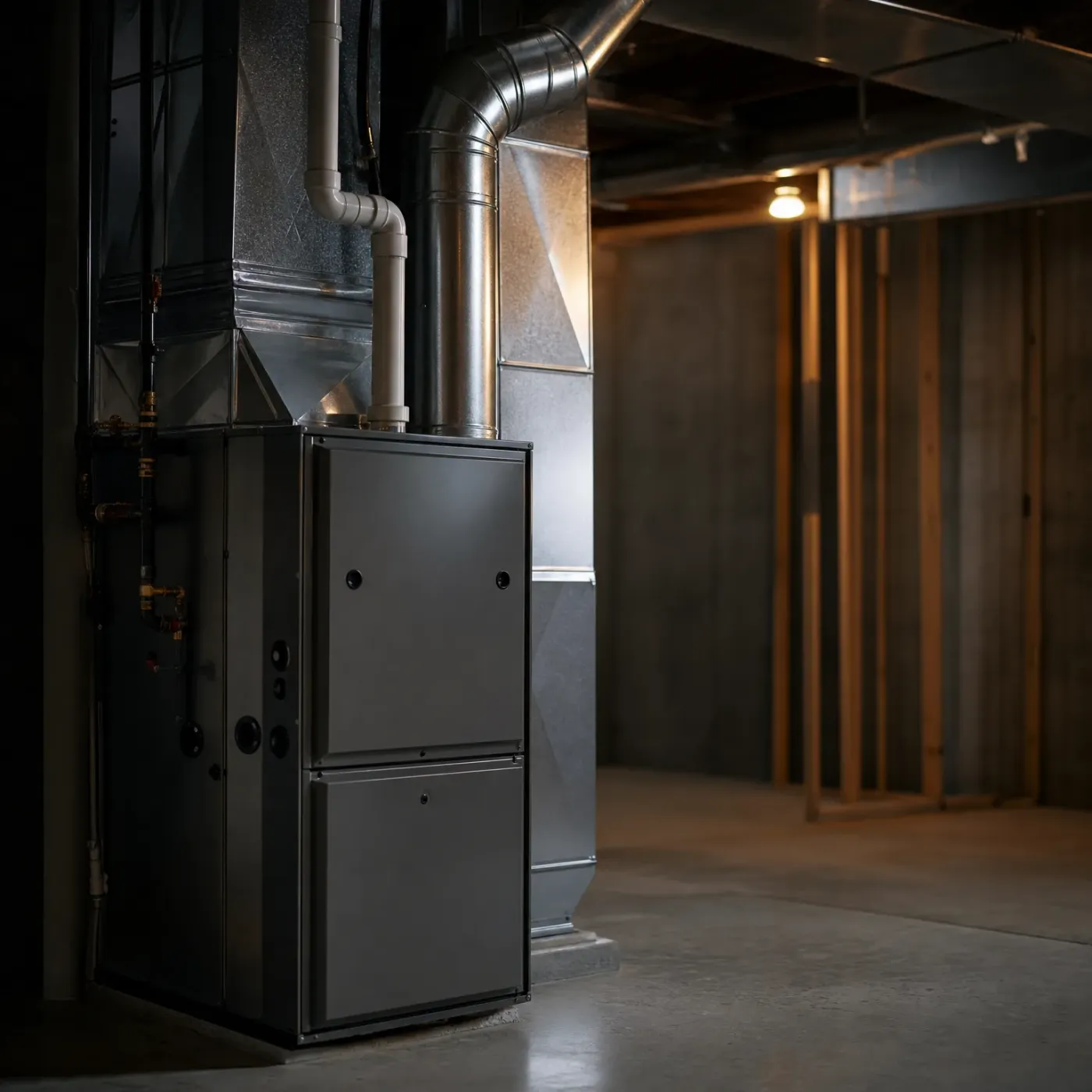
A furnace like this should burn without drama. The flame stays blue and steady behind the burner, the flue pipe carries exhaust straight up and out, and there's no smell when it kicks on. Ductwork and gas lines stay put, nothing loose, nothing stained.
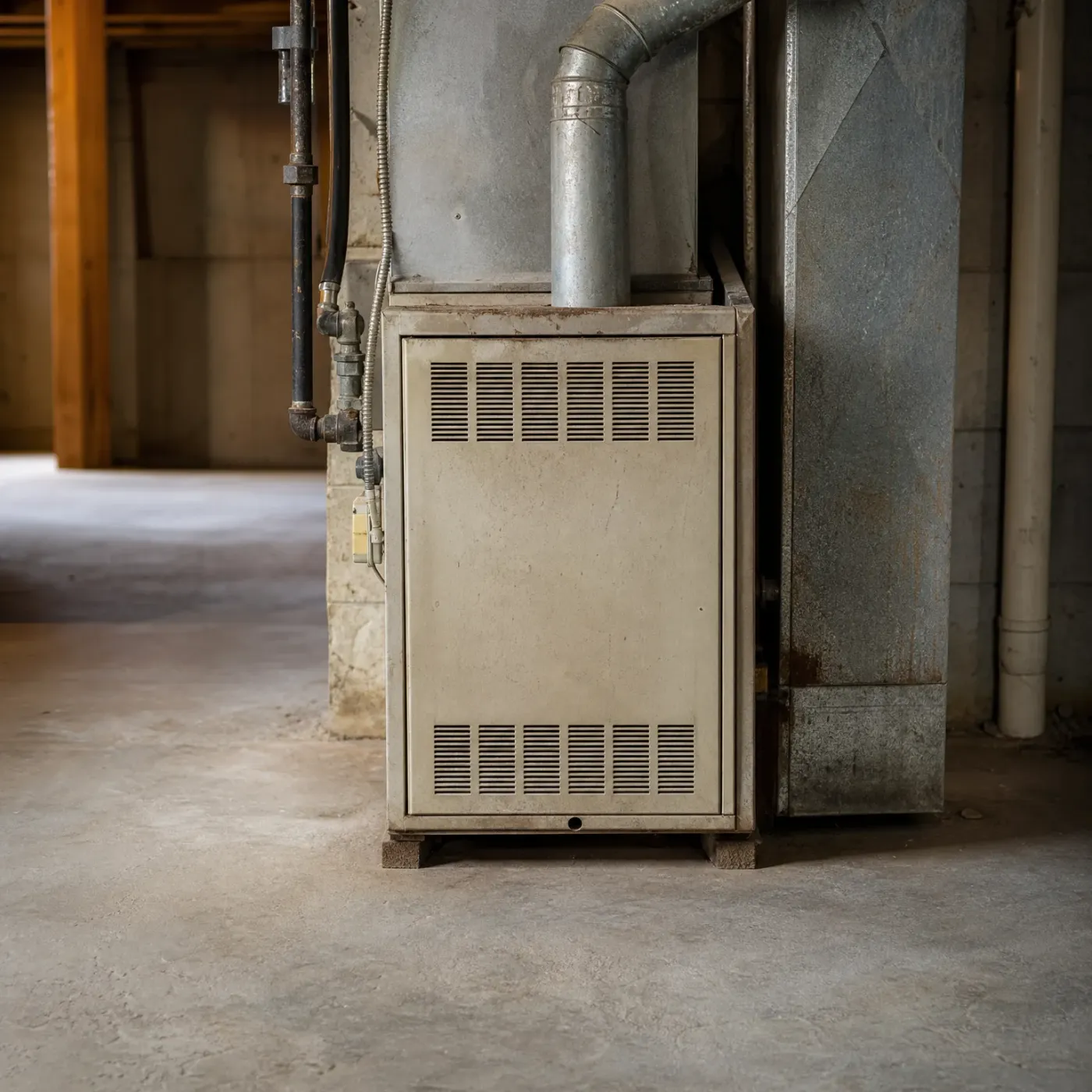
This older unit shows its age in the metal. Rust or soot around the panels, gas lines and flue connections that have seen years of heat cycling. A furnace like this is worth a closer look, especially if anyone nearby gets headaches that ease once they're outside.
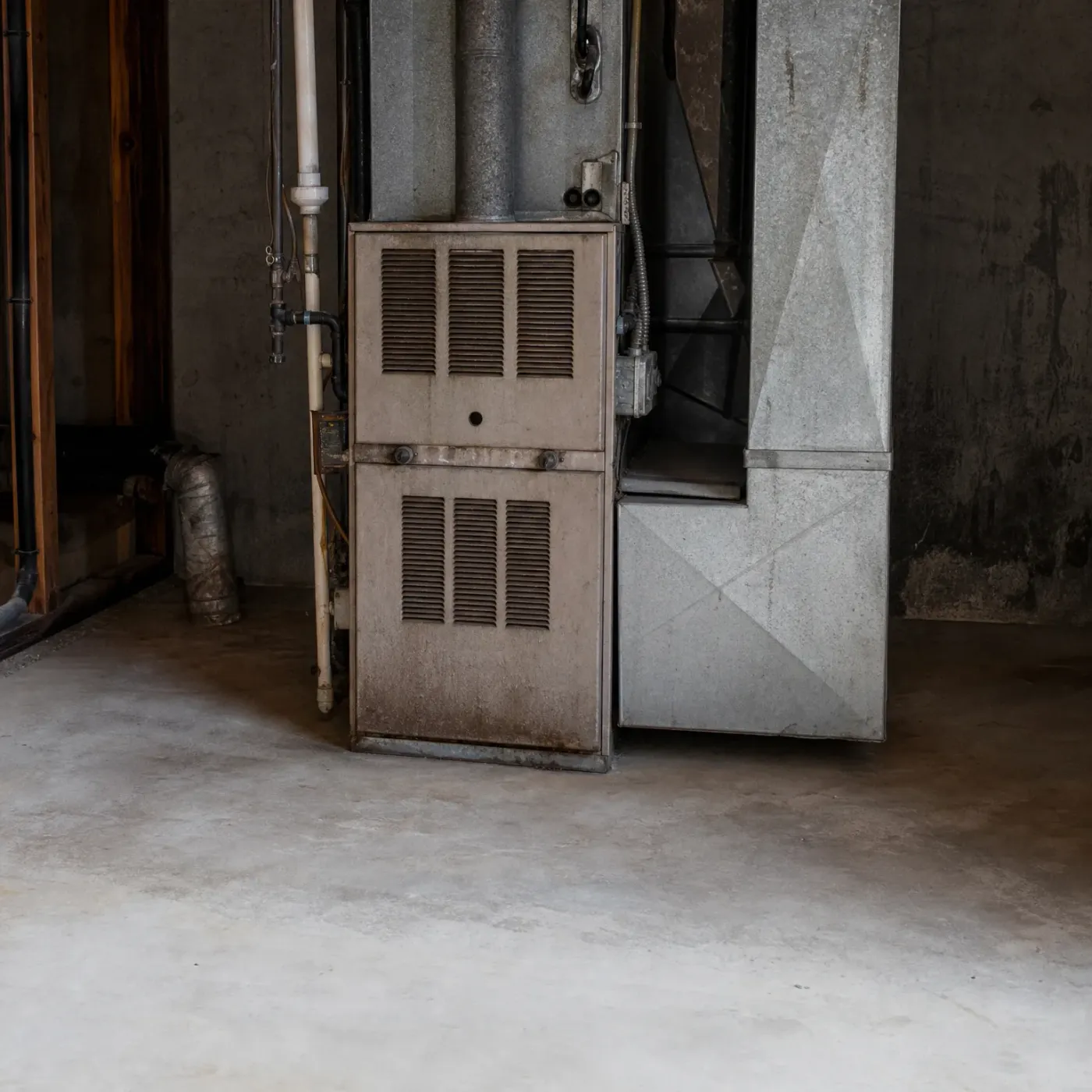
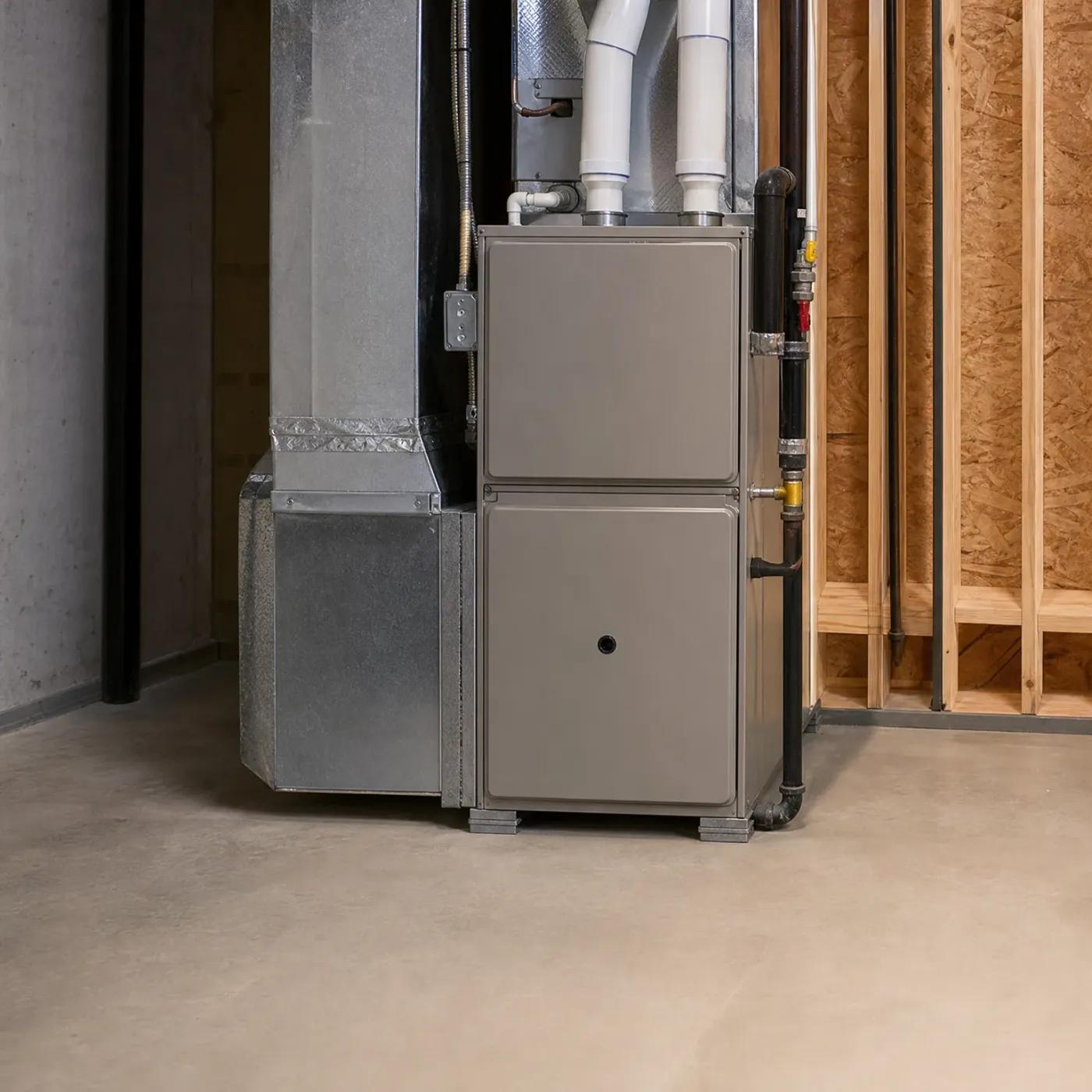
Skip searching for a furnace pro and answer a few questions instead.
You only hire the pro if you want to.
Heat exchangers are made of thin metal, and that metal expands every time the burner fires and contracts every time it shuts off.
Thousands of cycles like that over the years is what opens a crack, and a furnace that's run every winter for a long time is the one worth checking first.
At 25°F, your furnace isn't cycling on and off for a few minutes at a time. It's running long stretches to keep up, which means more heating cycles logged over a single cold night. A cracked exchanger under that kind of strain is pushing exhaust into your air for longer stretches too.
NOAA nClimDiv 1991-2020 county normals weighted by homes
A contractor checks the exchanger, the flame, the flue, and finds nothing wrong. You've lost nothing but the time it took for the visit. You know the smell you noticed was something else, maybe dust burning off a coil or something stored too close to the unit, and you can stop checking the window glass for frost and the flame for yellow every time the furnace kicks on. Most homes here heat with electricity, so a furnace callout isn't something you're used to budgeting for, but a clean result means you keep running the furnace through the rest of winter without wondering about it at two in the morning.
A cracked exchanger gets shut down or repaired before it runs again, and the carbon monoxide that was getting into your air stops. You stop losing evenings to it too, the ones you'd otherwise spend looking up symptoms, calling a few contractors to see who answers, explaining the smell and the soot and the flame color over again to each one, then sitting with quotes trying to guess who's worth trusting. Send the form once and that sorting becomes someone else's job instead of yours. You still have a repair ahead of you, but you're not carrying the search for who does it.


You've got the signs now: the smell, the soot, the flame that won't sit steady and blue, the headache that lifts the second you're outside. None of those by themselves prove a crack. Together, especially on a night when the furnace is running long and hard to keep up, they're reason enough to stop guessing. An older furnace that's fired every winter for years has had thousands of chances for that metal to crack, and no amount of watching the flame from across the room tells you for certain whether it has. A contractor can. That's the difference between standing near the furnace trying to decide if a smell is really there and having someone test the exchanger and the flue directly.
Getting to that point usually means work you'd rather skip: searching for a contractor who actually handles furnace repair, calling a few, explaining the smell and the soot and the flame color to each one, then waiting to see who calls back and sorting through what they quote you. Sending the form on this page means you skip that part. You still get the visit, still get the answer, but you're not the one tracking down who's available and chasing quotes to compare. The finding-help part is off your plate. What the contractor finds when they get there, clean bill or a repair, is the next thing. But you'll know, instead of listening for a smell every time the furnace kicks on.
Done looking for a furnace pro