Find WV Furnace Pros

Signs your furnace won't last a West Virginia winter

Step 1 of 3: Equipment

What are the signs my furnace won't make it through winter in West Virginia?

Most homes here heat with electricity, and when that furnace struggles, you notice fast, especially once the cold settles in for good. You're not looking for a reason to worry. You want to know what to actually watch for before a hard freeze finds out your furnace couldn't keep up, and what those warning signs mean for the rest of the season.

Short cycling, weak heat, and rising bills mean it's struggling

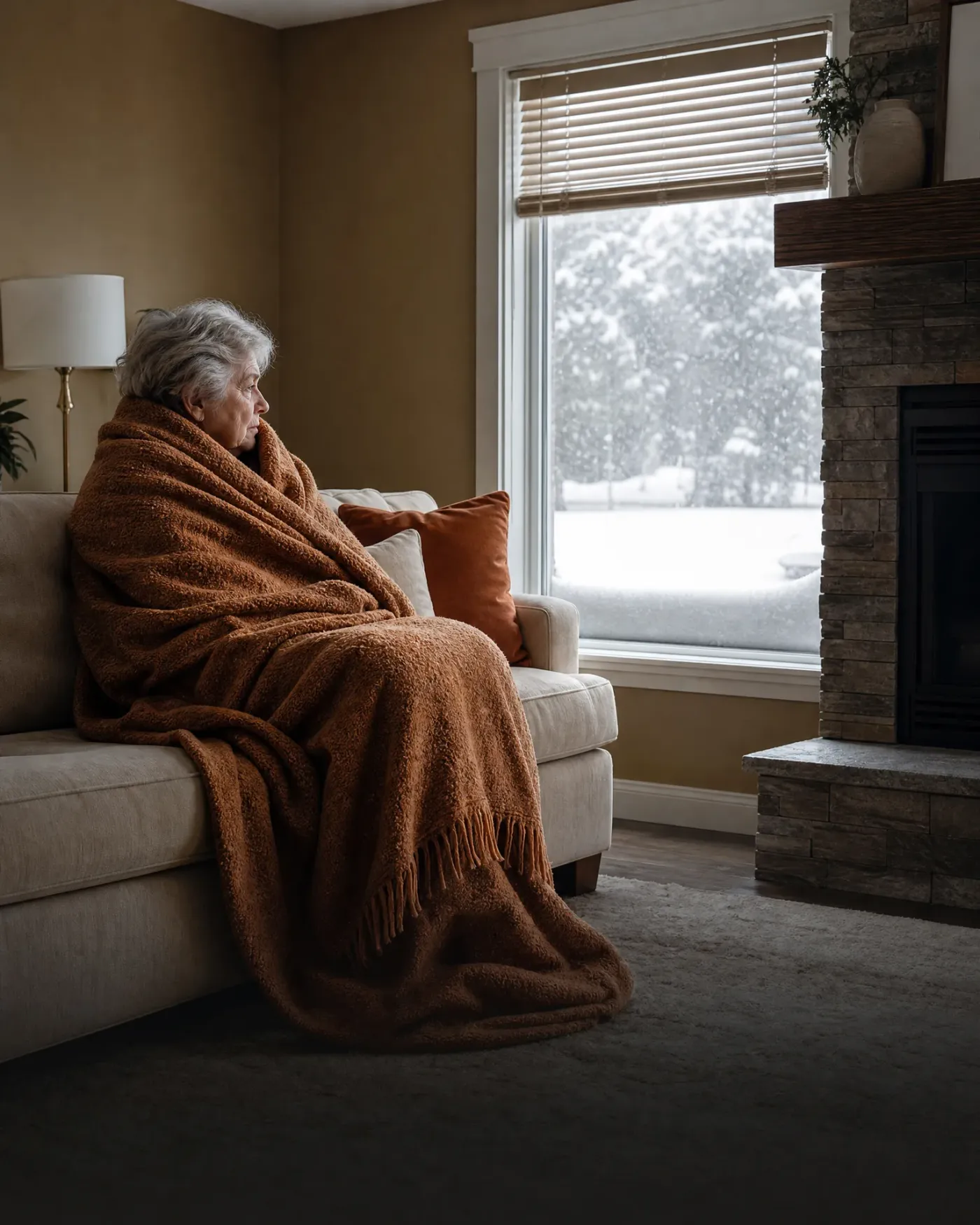
A furnace that's losing the fight for winter usually shows it in how it runs, not just whether it runs. If it clicks on and off every few minutes, blows air that's barely warm, or needs the thermostat pushed higher each week to feel the same, the heat exchanger or blower motor is likely working harder than it should. Electric bills climbing faster than the cold outside is another sign, since a strained system pulls more power to put out less heat. Uneven warmth from room to room, or a burning smell when it kicks on, points the same direction. None of these mean it's dead yet, but each one means it's less likely to hold up once West Virginia settles into its coldest stretch.

A woman with dark hair in a bun wearing a cream knit sweater sits on a gray sofa in a bright living room, looking off to the side.
A woman wrapped in a knit blanket sits on a gray sofa in a living room, looking toward a bright window with houseplants and an armchair in the background.
A woman in a gray cowl-neck sweater sits on a light sofa with cushions, smiling and looking to the side, with a kitchen and window visible behind her.
A woman with dark hair in a bun, wearing a light linen shirt, sits on a sofa and looks to the side, with a window, houseplants and a kitchen with pendant lights blurred behind her.
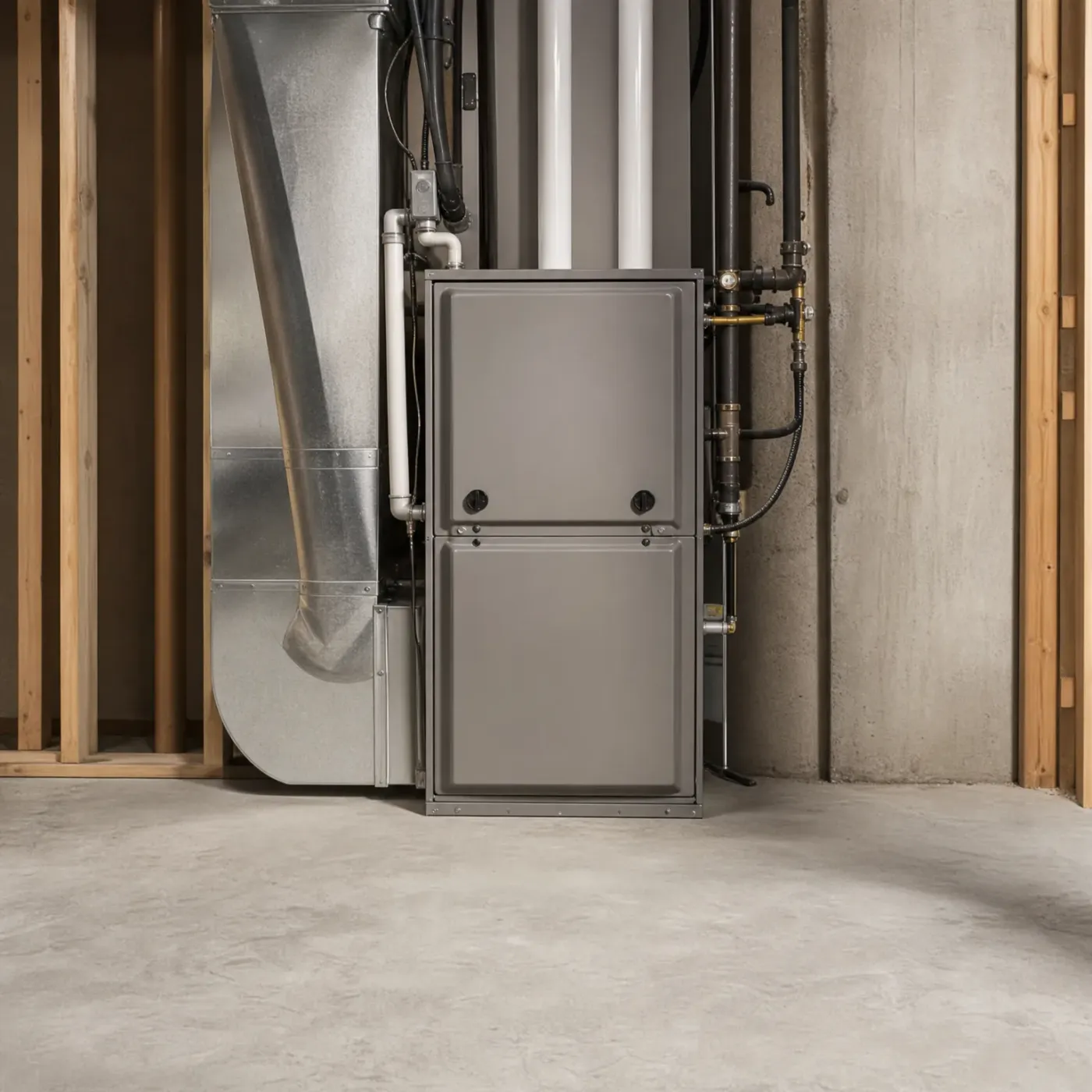
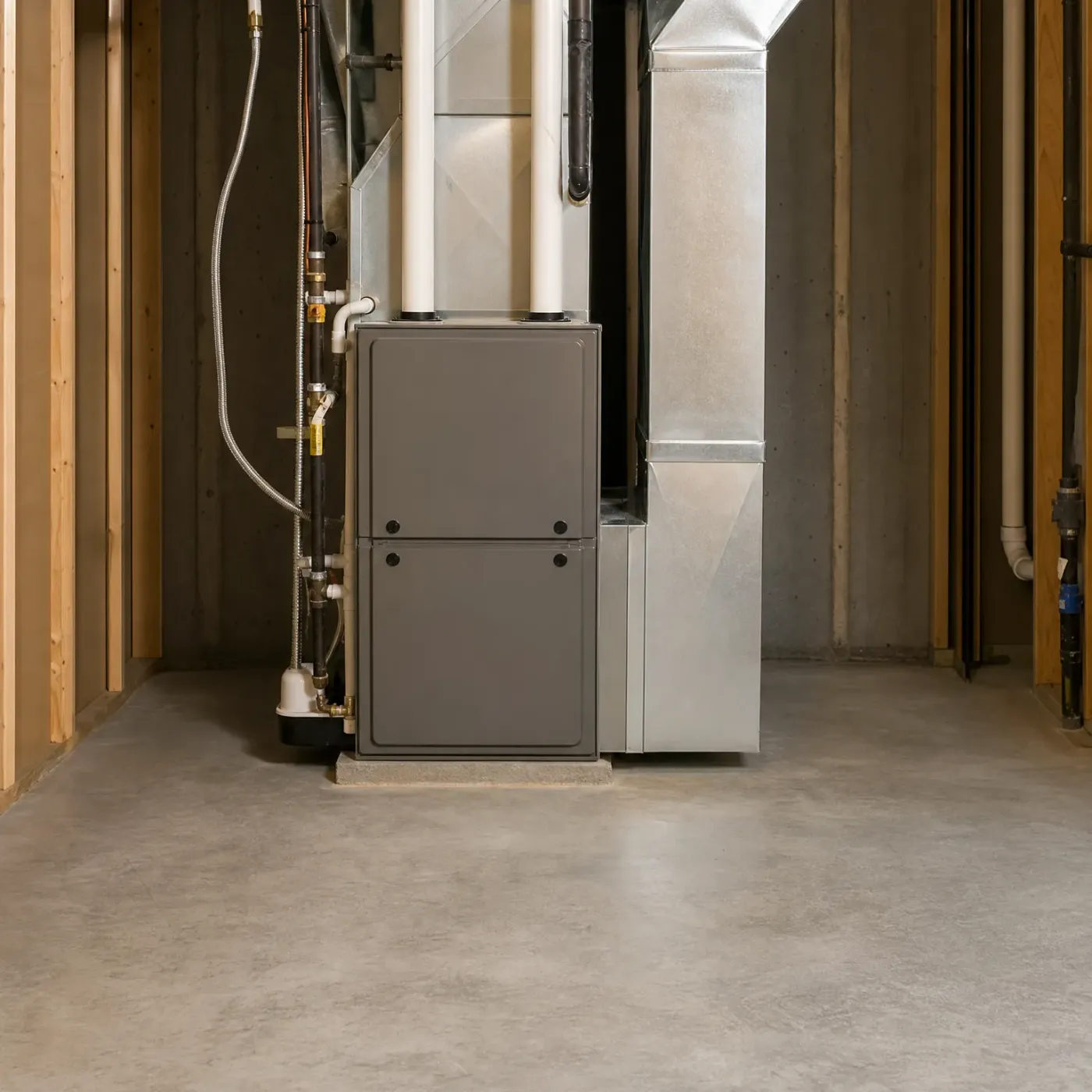
A gray furnace cabinet in a basement with sheet-metal ductwork, white PVC vent pipes, and black gas piping against a concrete wall and wood-framed partition on a bare concrete floor.
A furnace like this one runs quiet and even, no rust on the cabinet, no rattle from the blower, heating the house the way it should.
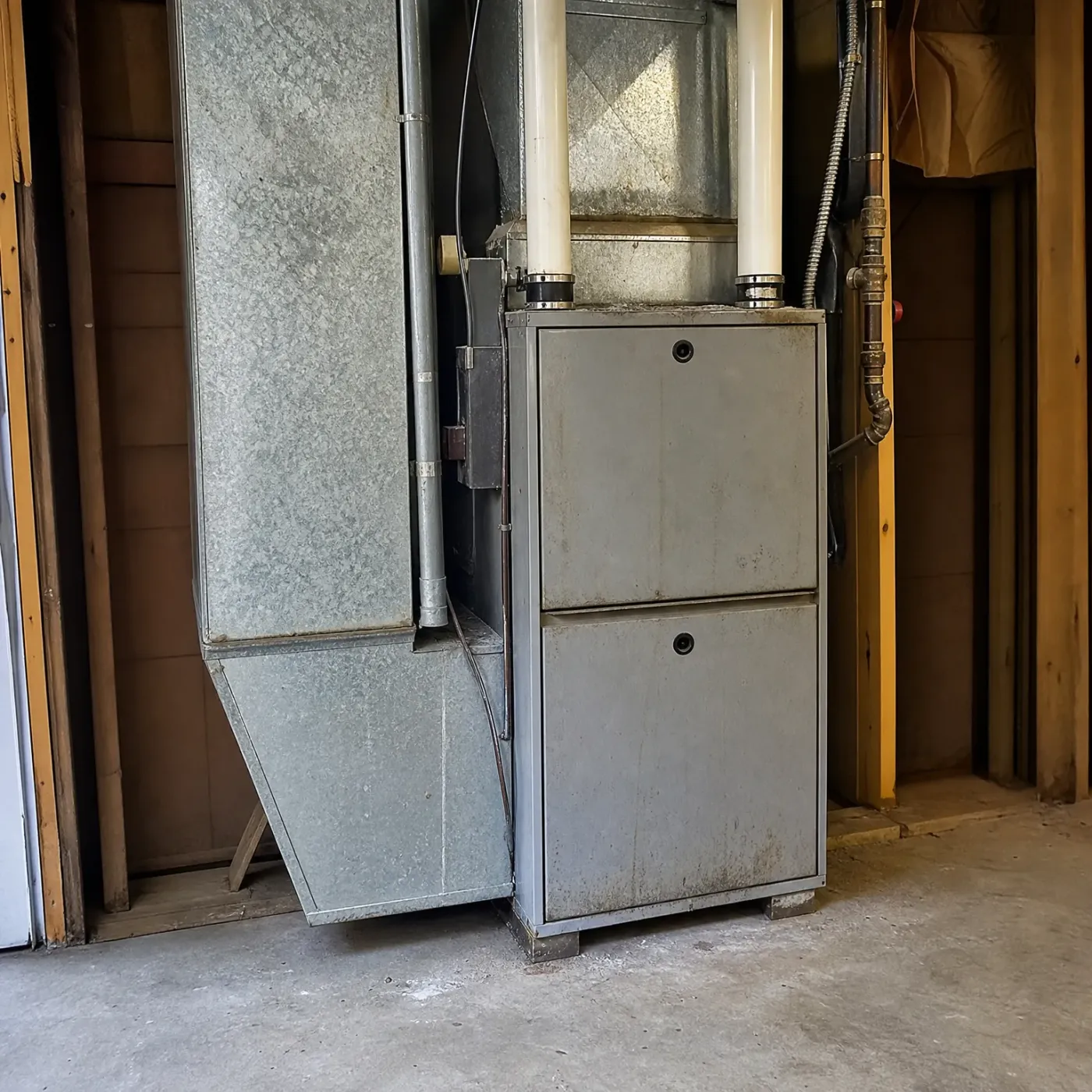
A gray metal furnace with two white PVC vent pipes stands on a concrete floor beside galvanized sheet-metal ductwork in a basement or utility space with wood framing.
Rust working across the cabinet and aging pipes like these are a furnace telling you it may not get through another cold snap.

Every time your furnace fires up and shuts off, the metal in the heat exchanger expands and then cools back down. Years of that cycling is what eventually cracks it. That crack matters because the exchanger is the only thing keeping combustion gasses separate from the air your blower sends through the house. A flame sensor watches the burner flame and closes the gas valve fast if the flame isn't there, which is why a furnace can shut down mid-cycle without warning. If you notice the furnace turning off within a few minutes of starting, over and over, that's usually the unit struggling to keep up with the thermostat, or it's overheating inside the cabinet. When the air inside gets too hot, a limit switch cuts the burners before things get worse. None of this is random. It's the furnace protecting itself, or trying to. A blower motor that hums or strains without actually turning the fan is telling you something too: it's close to seizing, and once it does, there's no heat moving through the ducts at all, no matter how well the burners are working.

What's actually happening inside the cabinet

  • The heat exchanger cracks from repeated expansion and contraction over years of cycling on and off.
  • A cracked exchanger can let combustion gasses mix with the air your blower pushes through the house.
  • The flame sensor reads the burner flame and shuts the gas valve if it doesn't sense it quickly enough.
  • A furnace that short cycles, turning off within a few minutes of starting, is often struggling to satisfy the thermostat or overheating internally.
  • The limit switch trips and shuts the burners down if the air inside the cabinet gets hotter than it should.
  • A blower motor that strains or hums without spinning is usually close to seizing for good.
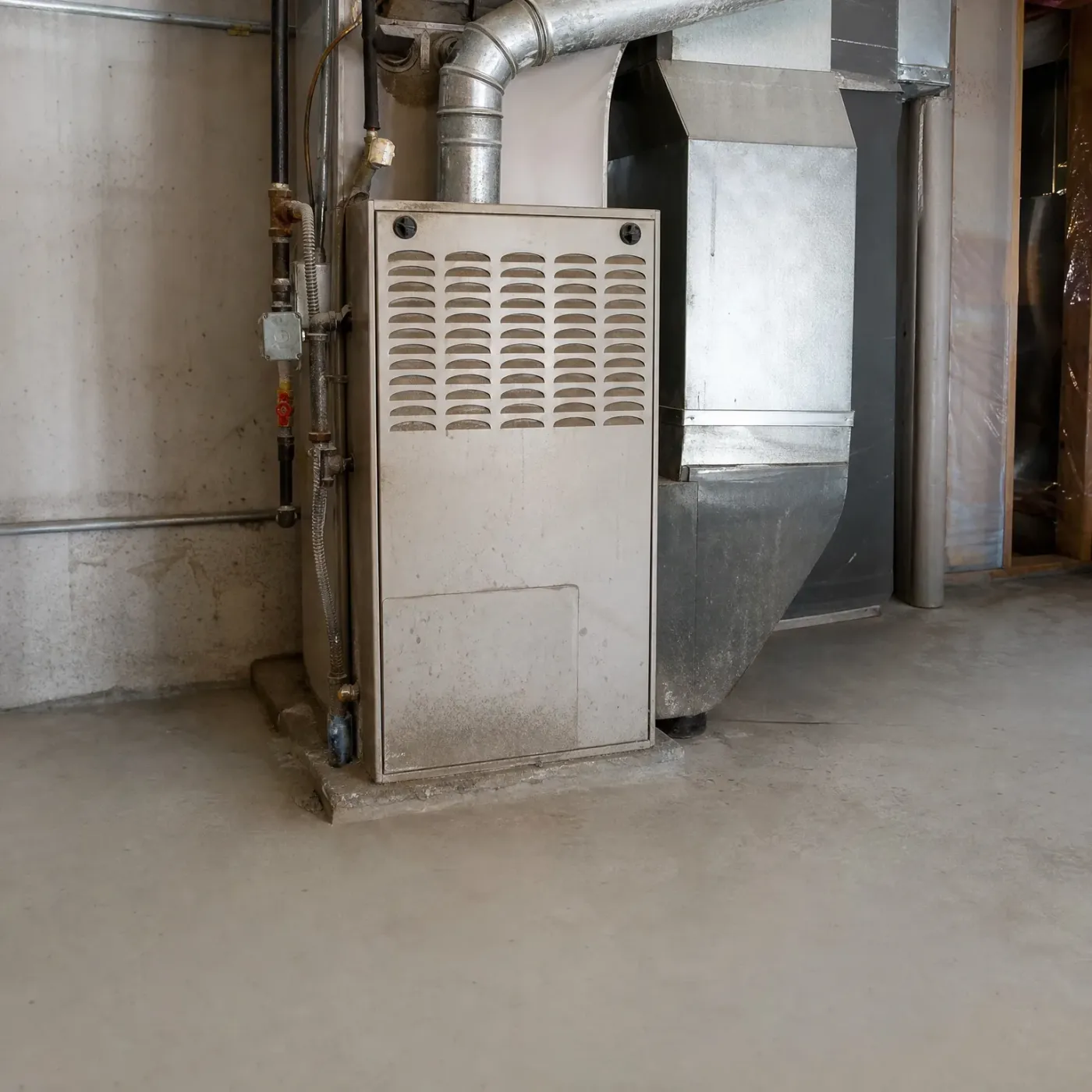
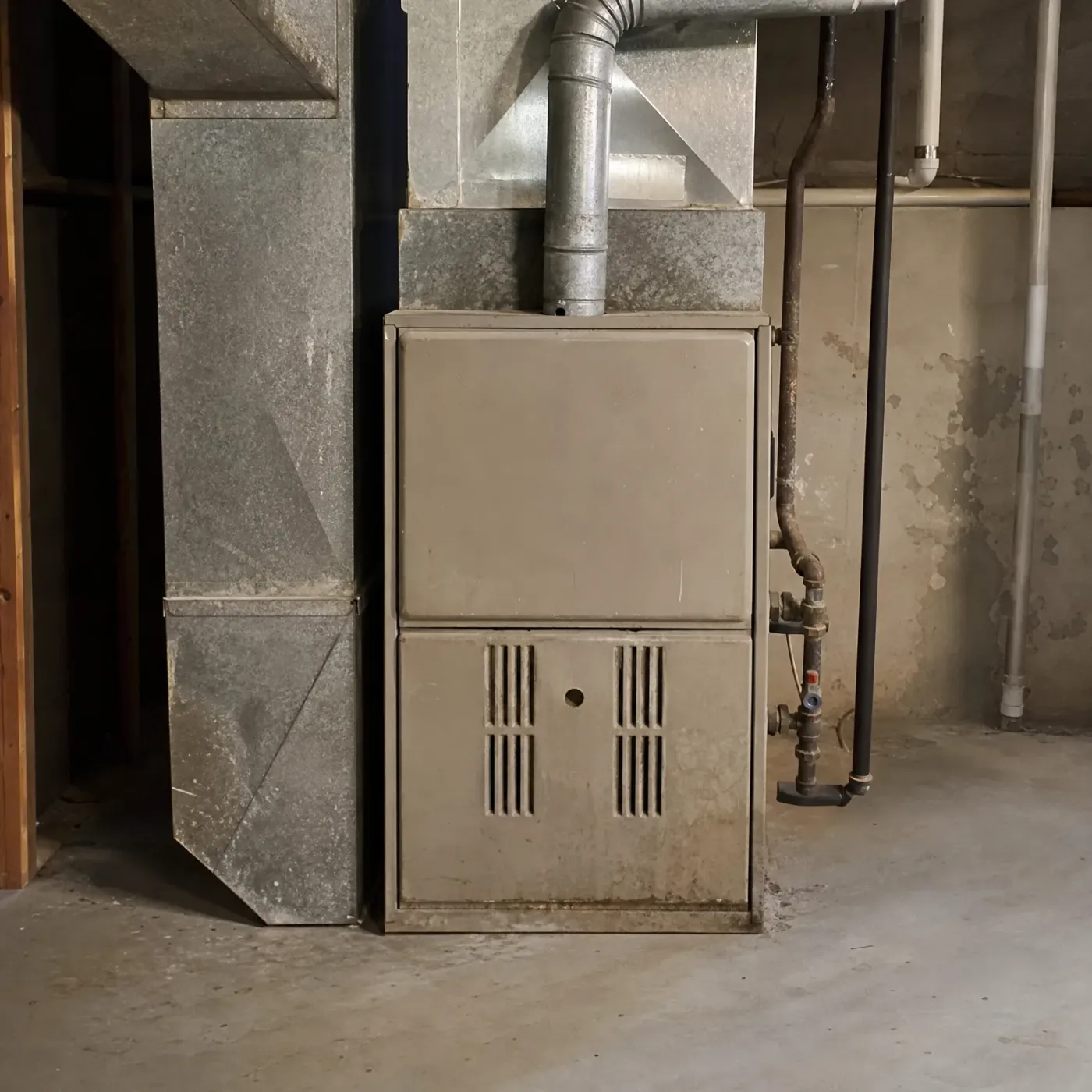
An older metal furnace with a louvered front panel stands against a concrete basement wall, connected to sheet-metal ductwork and a flue pipe, with copper and steel pipes running alongside.
Before you get your furnace repair
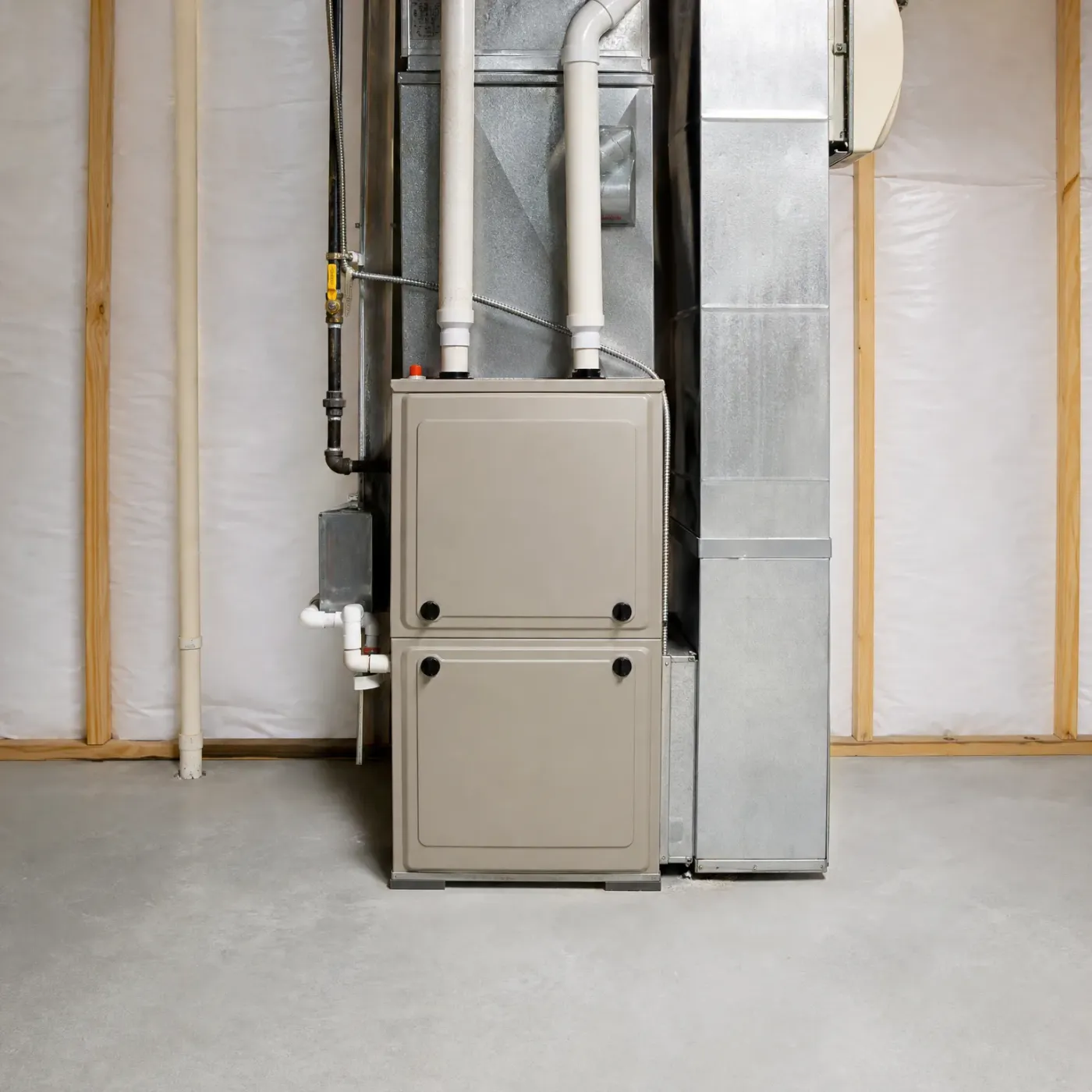
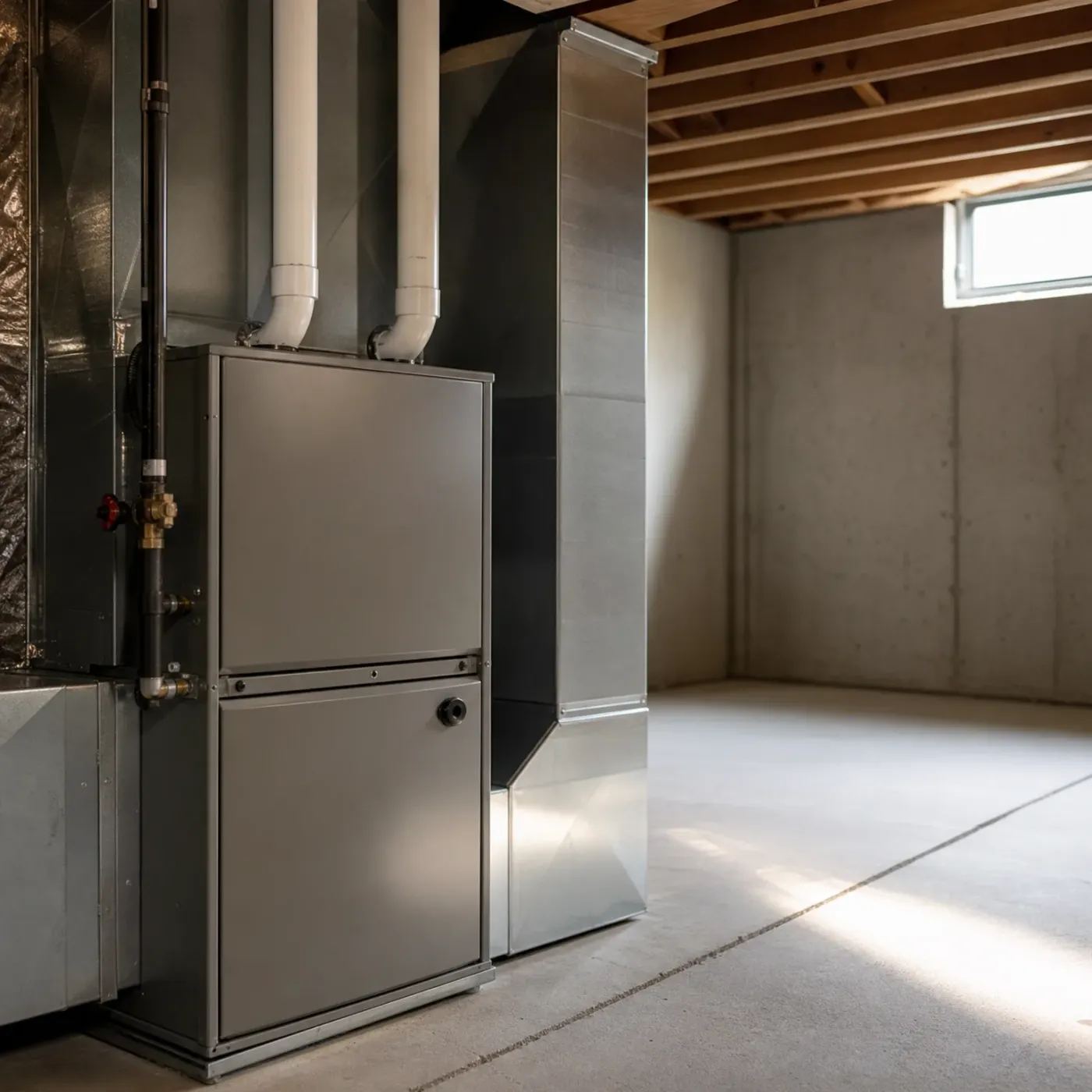
A beige high-efficiency furnace stands on a concrete basement floor beside sheet-metal ductwork, with white PVC vent pipes and a gas line running along an insulated wood-framed wall.
After you get your furnace repair

What a Failing Furnace Costs You

  • A furnace that short cycles on a cold night will burn through more electricity trying to catch up.
  • Rooms that used to warm up fine now stay chilly while the thermostat says the target temperature was reached.
  • A blower that keeps running after the burner shuts off points to a problem that can leave you without heat on the coldest morning.
  • If the furnace quits during a hard freeze, pipes in unheated parts of the house are at risk within hours.
  • A furnace that smells like exhaust inside the house, rather than outside at the vent, needs attention before the next cold snap.
  • Needing to bump the thermostat higher each week just to feel the same warmth is the furnace losing ground, not the weather changing.

A furnace in trouble doesn't fail all at once. It shows up first in the electric bill, since most homes here heat with electricity and a furnace working harder to hold a temperature pulls more power doing it. You feel it next in the house itself. The room where your kids do homework or where someone naps in the afternoon stops holding heat the way it used to, even though the thermostat reads the number you set. That gap between what the thermostat says and what the room feels like is the furnace losing a fight it used to win without trying. If the blower keeps running past when the burner shuts off, that's not a quirk, it's a part wearing out, and it can take your heat with it on a morning you did not plan for. West Virginia winters don't wait for a good time. A furnace that quits during a hard freeze puts more than comfort at risk. Pipes running through an unheated basement or crawlspace can freeze within hours once the house goes cold, and that turns a furnace repair into a plumbing problem too. Any smell of exhaust inside the house, rather than outside where the vent lets it go, is not something to wait on. None of these are things you caused. They're signs worth paying attention to before the coldest week of the year decides for you.

An older woman with gray hair in a bun and glasses, wearing a beige knit sweater, smiles while looking to the side in a warmly lit kitchen, with a loaf of bread on the counter in the foreground and a snowy scene outside the window.
A woman and a child wrapped together in a knitted gray blanket on a couch, with the child's head resting on her shoulder and a lit table lamp and houseplant in the background.

Get your furnace to the right pro

A furnace that's already showing rust, short cycling, or a flame sensor on its way out won't get more reliable on its own. Those problems move faster once the cold sets in and the system is running for hours at a stretch instead of minutes. Waiting until a January night to find out whether it holds up is a bad bet when electric heat is what's keeping the house warm. Someone who works on furnaces around West Virginia all winter has seen which of these signs mean a repair now and which mean the unit is close to done. Getting a local, licensed contractor to look at what you're actually dealing with, instead of guessing from a list of symptoms, tells you whether it's a part worth fixing or a furnace worth replacing before the hard stretch of winter gets here. One contractor, matched to your situation, can give you that answer.

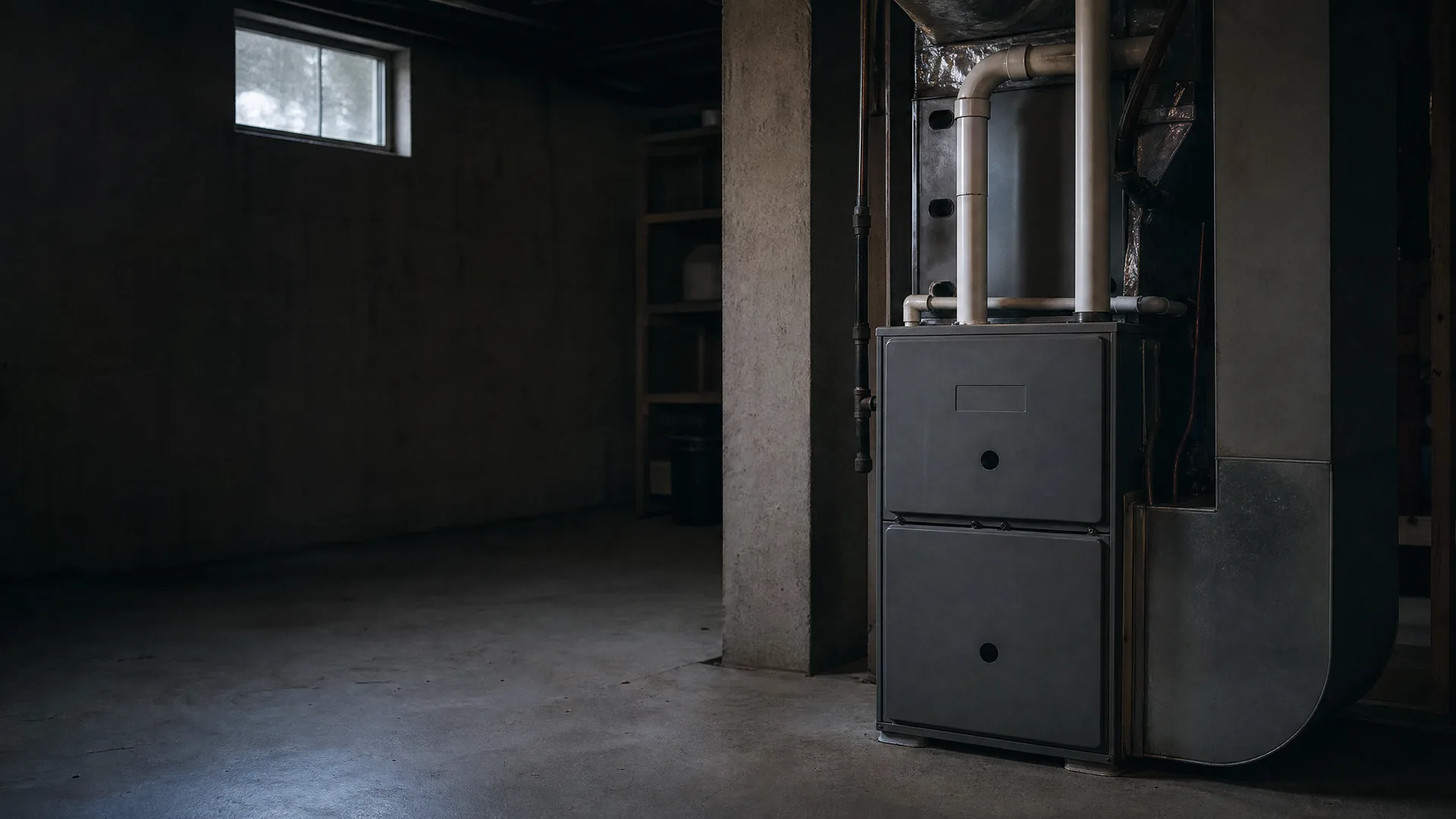
A gray high-efficiency furnace with white PVC vent pipes and attached ductwork stands beside a concrete support column in a dim, empty basement with bare concrete walls and floor and a small window.

The basement is dark except for the glow of a phone screen. It's just past six on a November evening, cold enough outside that the windows upstairs have fogged. The furnace sits against the wall, quiet. No hum from the blower, no blue light at the burner. A thin haze of dust hangs in the air near the cabinet, stirred up when you knelt down to check it. You tap the side panel and nothing changes. Upstairs, someone asks if it's warming up yet. You don't answer right away. You're still looking at the furnace, waiting for it to do something, anything, before you head back up to find a flashlight.

A smiling man in a denim shirt and white t-shirt stands in an open dark doorway of a stucco house, facing a woman with long brown hair and a green jacket seen from behind in the foreground.

What a dying furnace does to your house, room by room

You'll feel it first in whichever room is farthest from the furnace. That room goes cold while the thermostat still reads the right number, because the air isn't moving the way it used to or the burner isn't staying lit long enough to heat it. Kids' bedrooms upstairs, a back room over the garage, those go first. Then the electric bill climbs, because a furnace that's cycling on and off every few minutes is pulling power to restart the blower and igniter over and over, not just to run.

If you're the one who notices when someone's cold before they say anything, you're already watching for this. A furnace with rust on the cabinet or a flame sensor that's wearing out doesn't fix itself over a long weekend when it's twenty degrees outside. Getting matched with a contractor who works on furnaces in West Virginia homes all winter means someone who's seen this exact cabinet, this exact sensor, fail before, and knows what to check first. One contractor, local to you, calling you back, not a list of strangers.

A gray upholstered sofa with a matching cushion sits beside a potted plant and a wooden table holding a small green plant in a stone pot, near a curtained window.
Exterior of a gray horizontal-lap-sided building with a snow-covered roof edge and a central downspout, seen during falling snow with deep snow on the ground and bare tree branches above.

Winter nights average 25°F across West Virginia, according to NOAA. That's cold enough that your furnace isn't just running, it's working to recover heat lost through walls and windows most of the night. A furnace already struggling with a weak igniter or a tired blower motor has less margin on nights like these. You'll notice the recovery time first, the house takes longer to warm back up after the thermostat drops, and some rooms may not catch up at all before morning.

NOAA nClimDiv 1991-2020 county normals weighted by homes

Fix It or Face the Cold

Repair holds

  • A cracked heat exchanger means replacement, not repair, since there's no safe way to patch it.
  • A failed flame sensor or igniter is a straightforward swap and a furnace that's otherwise sound will run fine after.
  • If the cabinet is still solid and the blower runs even, one part failing doesn't mean the whole system is done.
  • A furnace less than ten years old with a single fault is usually worth fixing rather than replacing.
  • Short cycling caused by a dirty flame sensor or a clogged filter clears up once that one thing is addressed.

Winter won't wait

  • Once a crack forms in the heat exchanger, it widens with every cycle through a cold month, not less.
  • A furnace running on a weak igniter now will likely fail outright on the coldest night it has to work hardest.
  • Rust spreading across the cabinet points to moisture that's already reached parts you can't see and can't patch.
  • A system that short cycles through November usually can't keep up once nights settle in around 25°F.
  • A local contractor who services this equipment every winter can tell you in one visit whether what's failing is one part or the whole furnace.
A gray high-efficiency furnace with white PVC vent pipes stands on a concrete pad in a basement, beside sheet-metal ductwork, copper piping and a poured concrete wall with wood framing at left.

Furnace holding up

A furnace like this sits on a dry pad with clean connections at the gas line and condensate pipe. The cabinet is solid, the ductwork above is tight, and nothing around it looks disturbed. A unit in this shape is built to run most of a West Virginia winter without a callout.

A beige gas furnace in a basement with a metal flue pipe, galvanized sheet-metal ductwork to its left, and gas and water pipes along the concrete wall to its right.

Furnace losing ground

This one is older, sitting near shutoff valves on a block wall with a flue pipe venting straight up. Age alone doesn't fail a furnace, but a unit this far along has had more cycles on its heat exchanger and more chances for a part to wear past where repair helps.

Winter nights average 25°F statewide

At 25°F, your furnace is running most of the night just to hold the thermostat setting, not easing off once the house warms up. A unit with a cracked exchanger or a tired igniter has little time to recover between cycles at that temperature.

NOAA nClimDiv 1991-2020 county normals weighted by homes

A furnace that's rusting, short cycling, or struggling to keep rooms warm isn't going to fix itself once the cold settles in for the winter. Rust spreads, cracked exchangers don't heal, and a flame sensor on its way out only gets worse with more hours of runtime. If what you've read here matches what's happening in your house, it's worth having someone look at it before the next cold snap makes the decision for you. A local contractor who works on furnaces like yours all winter, year after year, knows which of these problems are a quick fix and which mean the unit is done. You'll be matched with one contractor suited to your situation, not a handful of companies competing for your number. They'll reach out, take a look, and tell you straight whether this furnace has another winter in it or whether it's time to replace it.

A gray furnace with PVC vent pipes and sheet-metal ductwork stands against a wall in an unfinished basement with concrete floor and walls, exposed wood joists, and a small window.

The right pro for this job

Find a licensed furnace pro

Only one pro gets your request, so you hear from one company.

It costs nothing to send, and you don't have to hire anyone.