It's off your list after this
What size furnace a West Virginia home needs
Furnace sizing comes down to your square footage, your insulation and how cold it gets where you live, not a flat number that works for every house. Most homes here heat with electricity, and too big or too small a furnace means wasted power either way. Instead of calling around to find someone who can size and install it right, send one form and let that search be someone else's job.
Hand it offThere is no single furnace size that fits every West Virginia house. Sizing depends on your square footage, your insulation and your home's heat loss on the coldest days of the year, which here can mean stretches well below freezing in the mountains and valleys alike. A furnace that's too small runs constantly and still can't keep up when the temperature drops. One that's too big short cycles, turning on and off more than it should, which wears out parts faster and leaves rooms heating unevenly. Since most homes here run on electric heat, getting the size wrong means paying for power you don't need or not getting enough heat for what you pay. The right number comes from a load calculation done for your specific house, not a chart based on square footage alone.




Does your furnace struggle on the coldest nights?
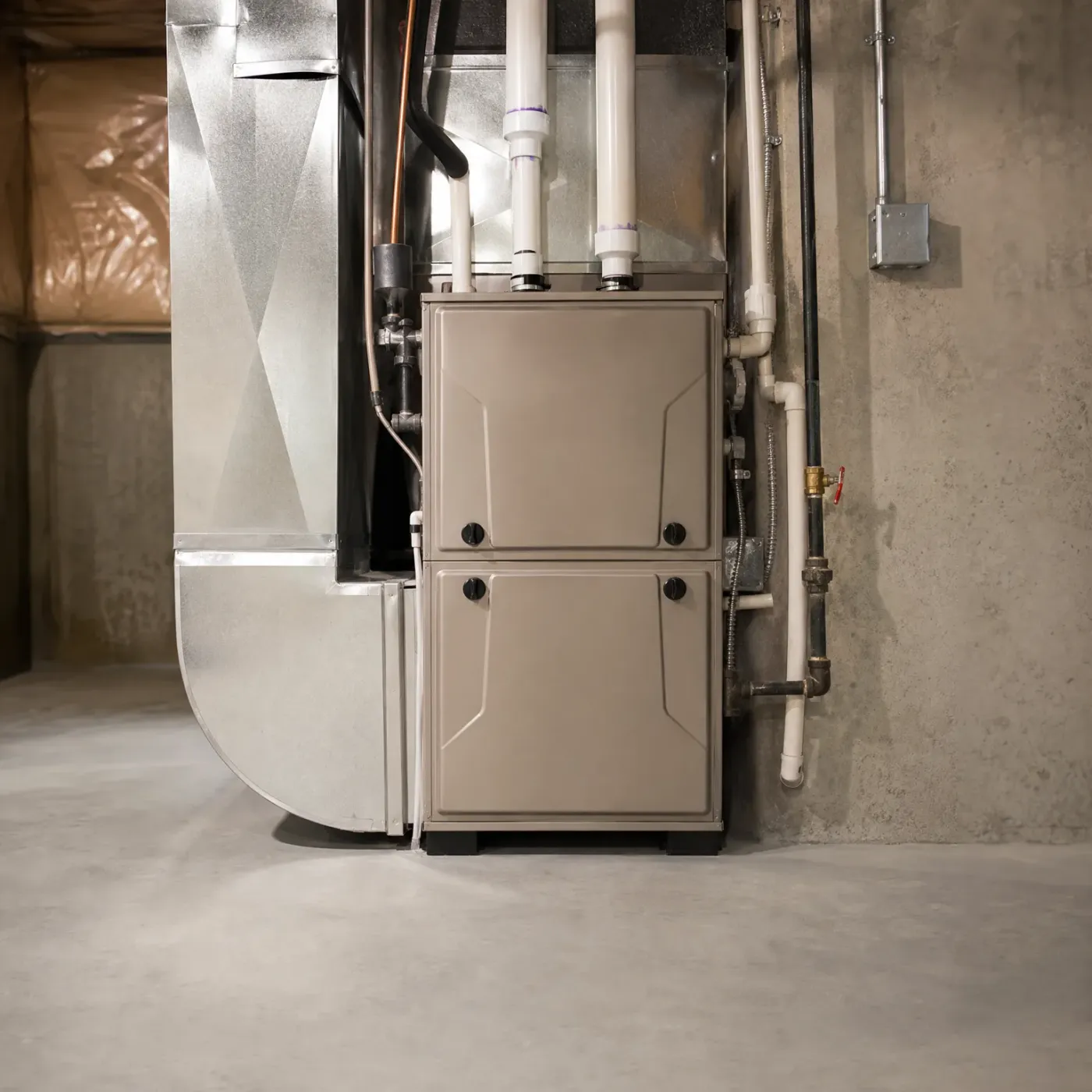
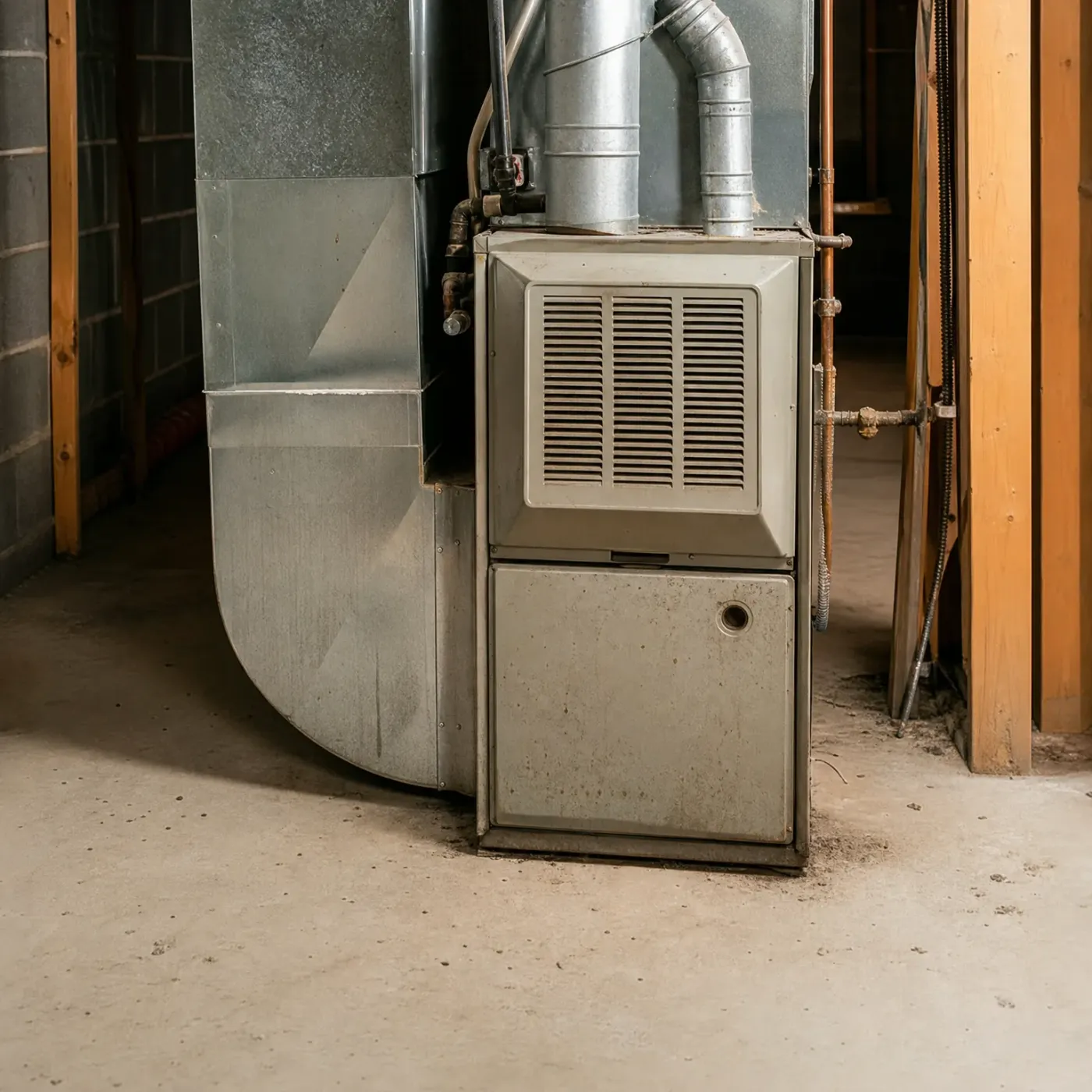
Walk through your house on a night well below freezing. If one room stays cold while the thermostat says it's warm enough, the furnace is likely undersized for that space. If the furnace runs almost nonstop and the house still doesn't hold its temperature, that's the same problem. Some homes show the opposite: the furnace fires, warms the house fast, then shuts off again within minutes, over and over. That short cycling wears on the furnace and still leaves the air feeling uneven room to room. Either way, your electric bill reflects it, since an electric furnace working harder than it should pulls more power than one sized right for your house. Neither problem fixes itself with a thermostat adjustment.
How a load calculation works
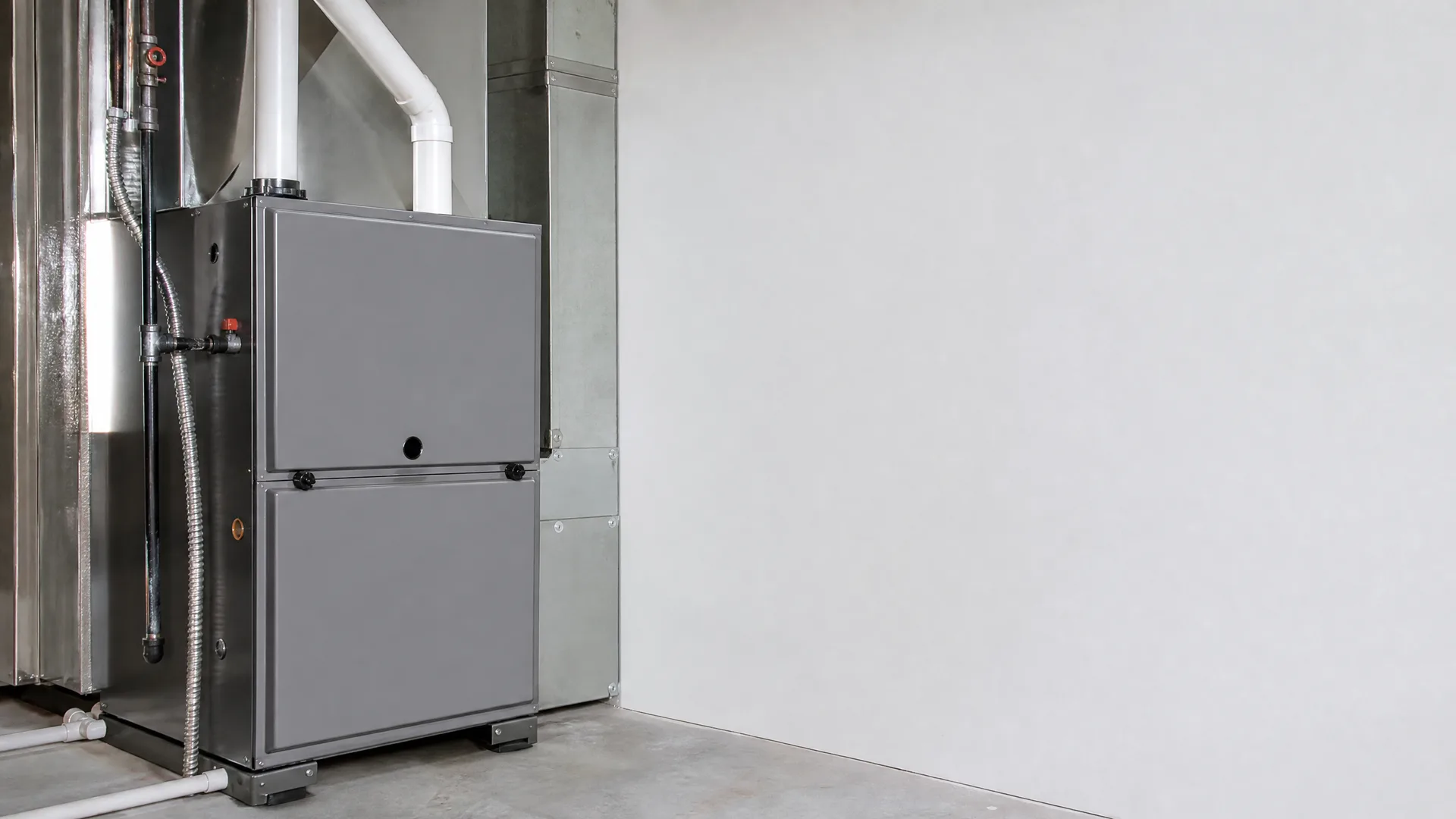
A contractor sizing your furnace runs a load calculation, not a guess based on square footage alone. That math looks at your home's insulation, window area, ceiling height and air leakage, then weighs all of it against how cold it gets outside on the worst night of the year. Two houses the same size can need different furnaces if one has more windows or thinner walls. That's why a neighbor's furnace size isn't a safe stand-in for yours.
Why electric heat changes the math
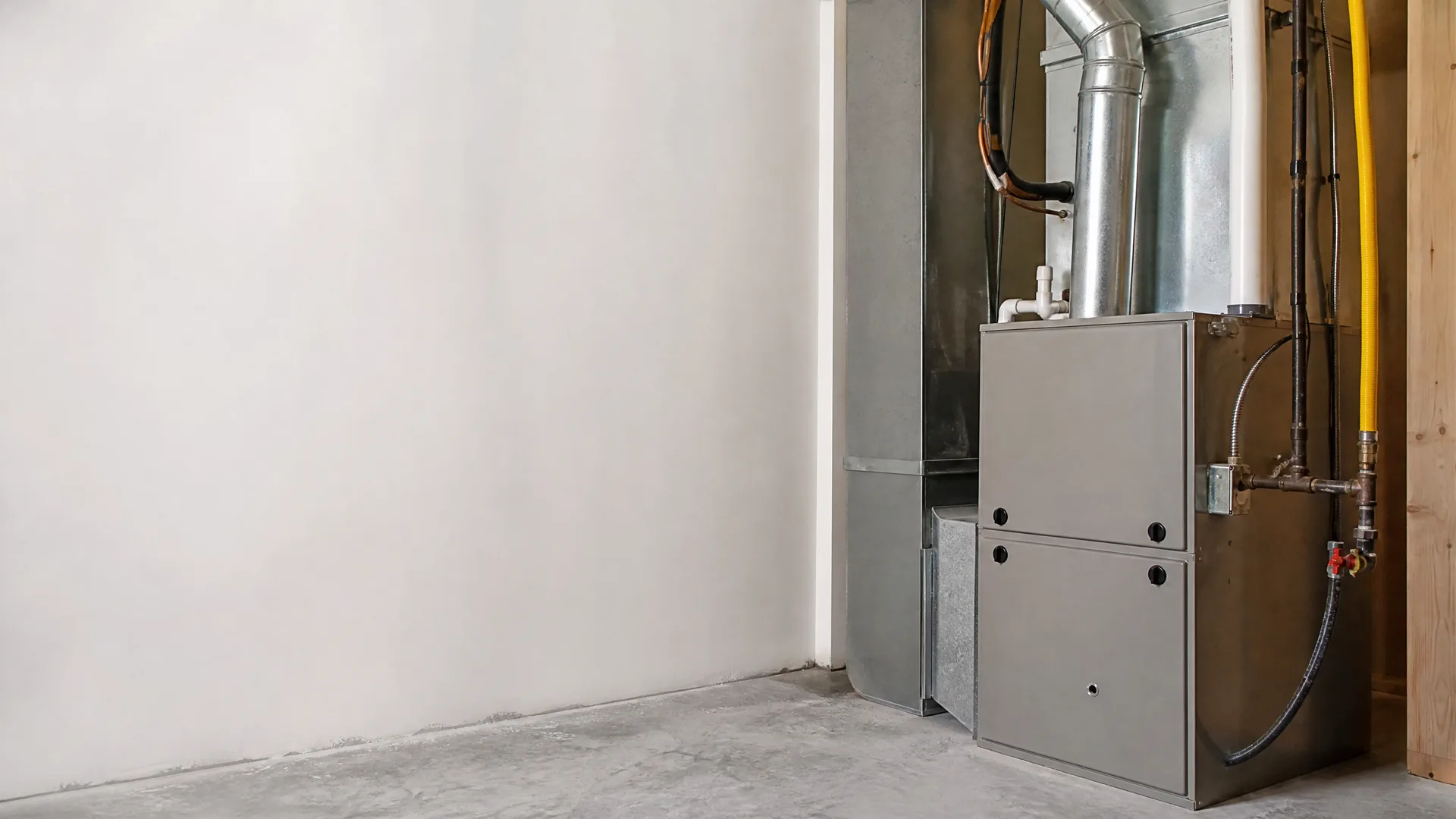
Most furnaces in West Virginia run on electricity, and an oversized electric furnace costs you more in a different way than an oversized gas one. Electric furnaces heat with resistance elements that draw power in fixed stages, so a unit too large for the house cycles on and off hard, pulling full power each time it starts. A correctly sized unit draws steadily and holds the temperature without those repeated surges.
Winter nights average 25°F statewide
A 25°F overnight low means your furnace is working for hours at a stretch most winter nights, not just kicking on now and then. A furnace sized too small for your house will fall behind right around that mark and never quite catch up.
NOAA nClimDiv 1991-2020 county normals weighted by homes
A furnace sized right for an electric-heat home costs less to run night after night, because it reaches temperature and backs off instead of pushing hard for hours.
An oversized or undersized furnace fights the same electric rate all winter, cycling too often or running too long, and the bill carries that difference from November through March.
Stop chasing a furnace pro
Describe the project once instead of to every installer.
Send the form and the search for an installer is over.
Asking costs nothing, and the choice to hire stays yours.
Why does my furnace size depend on more than my square footage?
You've seen the square footage charts online, the ones that say so many BTUs per square foot. Your house doesn't match them, or you're not sure it does, and you want to know what else actually goes into the number before a contractor shows up with one.
Square footage is one input among several, not the formula
Two houses in West Virginia with the same square footage can need different size furnaces. One might have more window area facing north, a higher ceiling, or less insulation in the attic, and all of that changes how fast the house loses heat on a cold night. A contractor accounts for this with a load calculation, weighing your square footage against insulation, window area and air leakage together. That's why a flat number per square foot can leave you with a furnace that runs constantly in one house and short-cycles in another, even if both houses are the same size on paper. Where you live, with winter lows well below freezing in the mountains and valleys, getting this part right matters more than it would somewhere milder.

A contractor measures every room and window for the load calculation.
That math weighs your insulation and air leakage against the coldest nights.
The calculation sets your home's heat loss in BTUs per hour.
The furnace is matched to that number, not your square footage.

The right size comes from the math, not the guess
A furnace sized for your house, your insulation and your coldest nights will hold a steady temperature without running nonstop, and that's the whole answer. Get the load calculation done, match the furnace to that number, and the rest of the winter takes care of itself.
Finding a contractor who does that math correctly, rather than installing whatever size was on the truck, usually means calling around, explaining your house more than once, and comparing quotes that are hard to tell apart. Send the form on this page and that search is off your plate. You'll still need to decide on the install, but you won't be the one tracking down who can do it.

Send one request and you're done looking
Skip collecting and comparing quotes for the new furnace.