Profile view of a bearded man wearing a dark green baseball cap and a dark gray T-shirt against a plain light background.

What temperature to set the heat in a West Virginia winter

Step 1 of 3: Equipment

What temperature should I set my heat at in the winter in West Virginia?

West Virginia winters get cold enough that most households start wondering if they're keeping the house too warm or too cool, especially with most homes here heating on electricity and that cost showing up fast on the power bill. You want a number that keeps the house comfortable without running the furnace harder than it needs to.

68 degrees while you're home and awake, lower while you sleep or you're out

68 is the number most furnaces are set to for a reason. It holds the house comfortable without asking the furnace to fight a bigger gap between the thermostat and the cold coming in through the walls and windows. Drop it 5 to 10 degrees overnight or while you're out, since a lower setting during those stretches eases the load without you noticing the difference when you're up and about. Every degree above 68 asks more of the furnace, and with most homes here running on electric heat, that shows up on the bill quickly. A furnace that's kept up with regular maintenance holds a set temperature more evenly, so you're not nudging the thermostat up to chase a cold room.

A smiling man in a navy long-sleeve shirt sits at a wooden table in a kitchen and dining area, with a ceramic mug, a potted plant, and a sliding glass door behind him.
A smiling bearded man in a green henley shirt stands at a kitchen island with a gray mug, looking off to the side, with a dining area and shelves blurred behind him.
A smiling bearded man in a navy sweater sits at a white kitchen island with a ceramic mug, with open shelves, potted plants and a range hood behind him.
A smiling man in a dark olive long-sleeve shirt sits in a kitchen beside a counter with a dark mug, with a dining table, sideboard and hallway visible in the blurred background.

How Your Furnace Actually Holds Temperature

  • Your thermostat cycles the furnace on and off to hold one setpoint, not to maintain a range.
  • Every degree you lower the thermostat for sustained periods cuts into the time the furnace actually fires.
  • A furnace set-back of a few degrees overnight works because your electric furnace doesn't struggle to recover the lost heat the next morning.
  • Electric furnaces push air across heating elements in stages, so a big swing in setpoint can call more stages into use at once.
  • Rooms with supply vents far from the furnace lose a few degrees before the air reaches them, which matters when you're picking a number for the whole house.
  • A thermostat set too low for too long can let humidity creep up, which affects how cold the house feels at any setpoint.

Your thermostat isn't a dial that keeps the house somewhere near a number. It reads the air right next to it and tells the furnace to fire the moment that reading drops below your setpoint, then shuts it off once it's reached. That's the whole cycle, over and over, all day. So the setpoint you pick isn't a target the furnace drifts toward. It's a switch the furnace obeys exactly.

Electric furnaces heat in stages, meaning the elements come on one at a time as needed rather than all at once. Drop the thermostat eight or ten degrees overnight, then bump it back up at six in the morning, and the furnace may call multiple stages into use trying to close that gap fast. A smaller setback, three or four degrees, asks less of it and still saves you the time it would've spent firing against a higher setpoint while you slept.

Where you put the thermostat matters too. A hallway reading is not a bedroom reading or a room at the far end of the ductwork. Supply vents furthest from the furnace deliver air that's already lost some heat by the time it arrives, so a setpoint that feels right near the thermostat can still leave one room cold.

And a house held too cool for too long holds more humidity in the air, which is part of why the same number can feel different week to week.

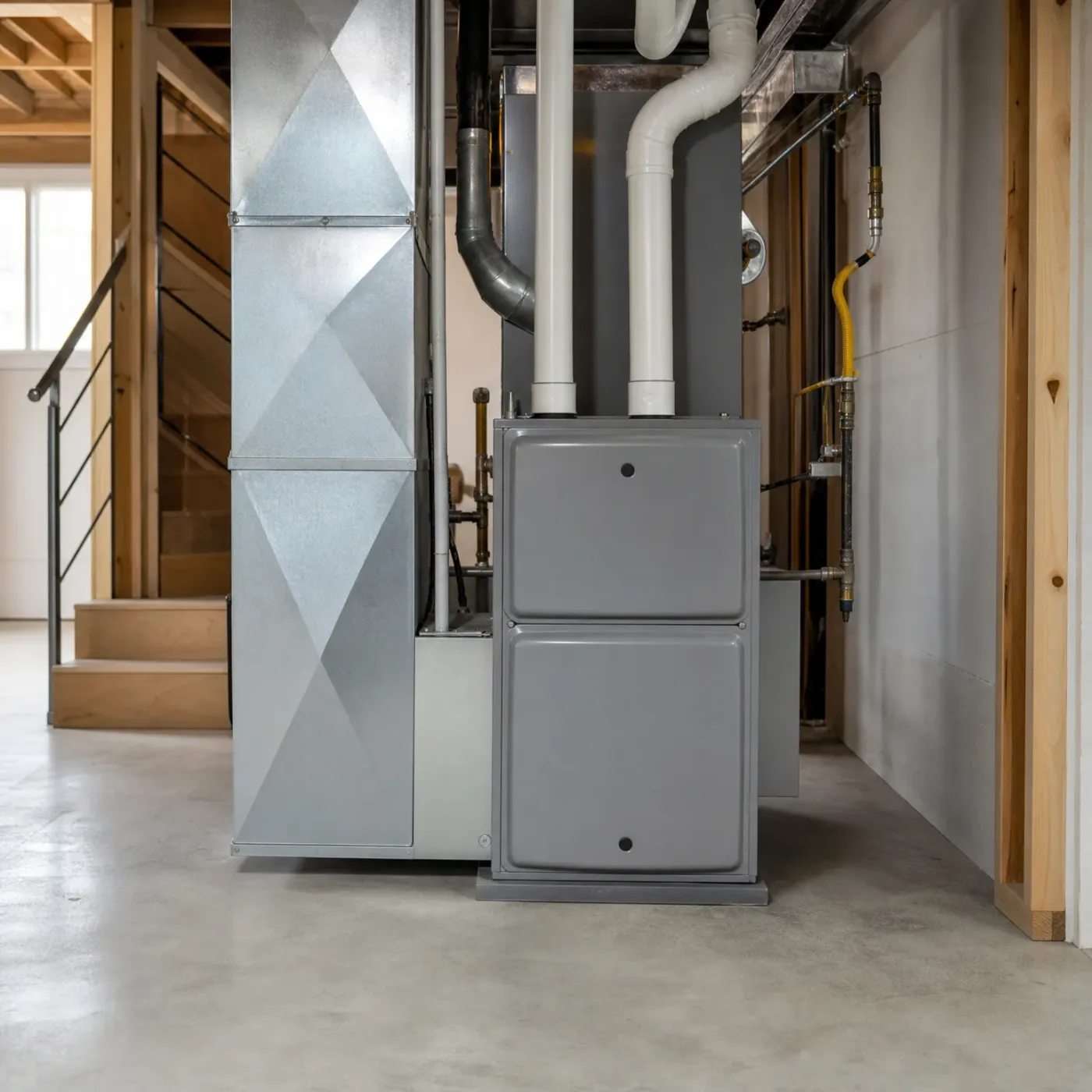
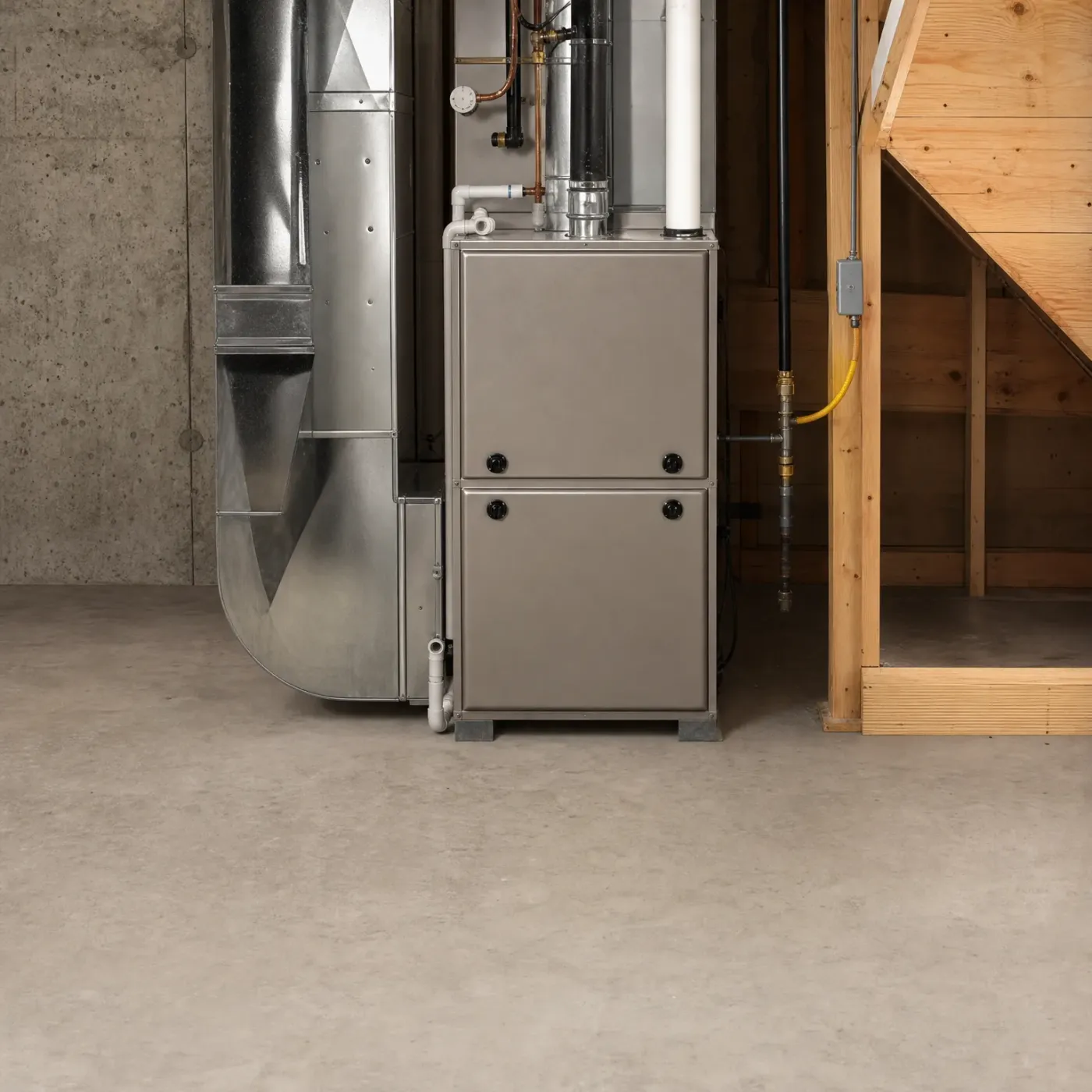
A gray high-efficiency furnace with white PVC vent pipes stands beside galvanized sheet-metal ductwork in a basement with a concrete floor, with a wooden staircase and railing at left.
A thermostat held steady lets the furnace cycle on and off the way it was built to, running in short, even stretches through the day.
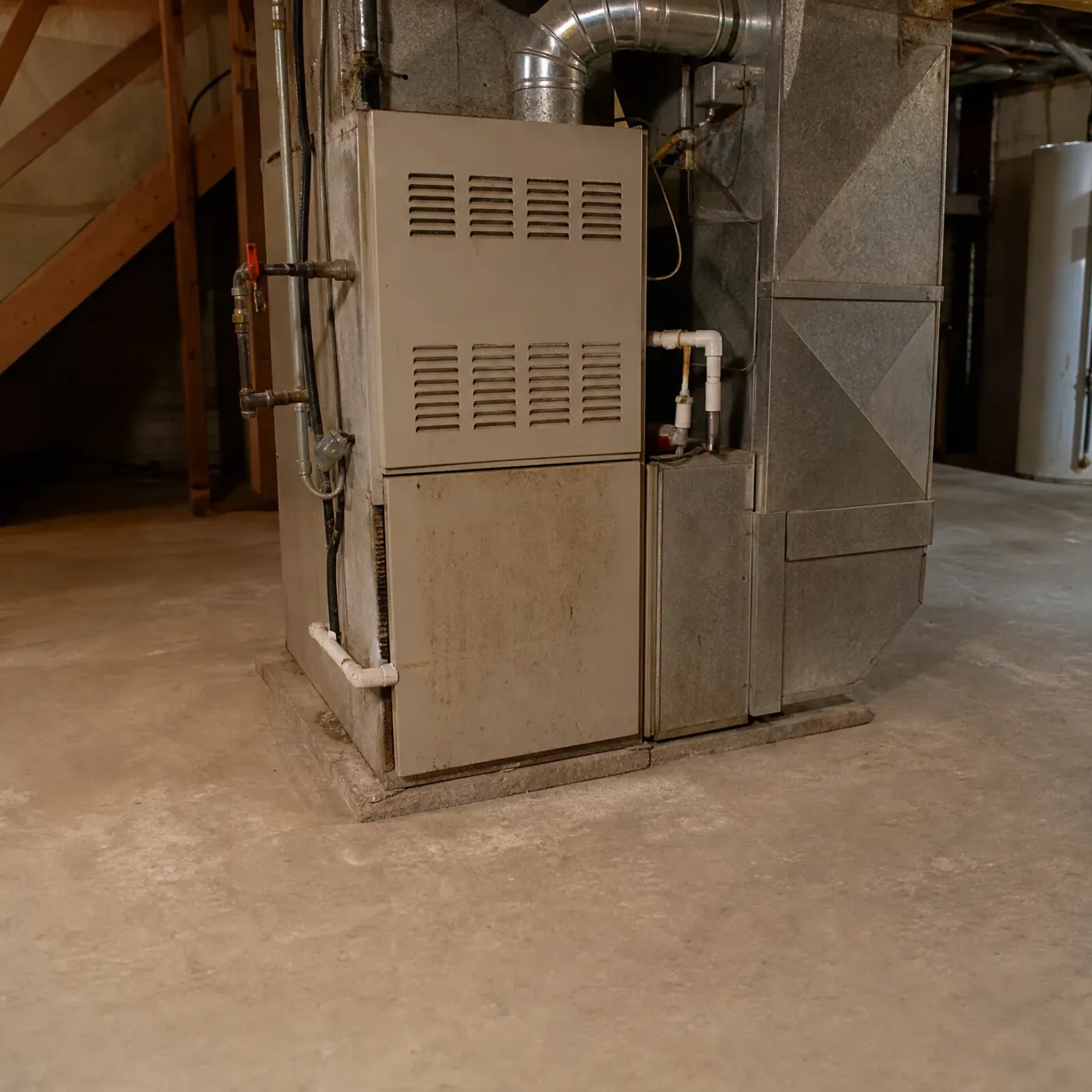
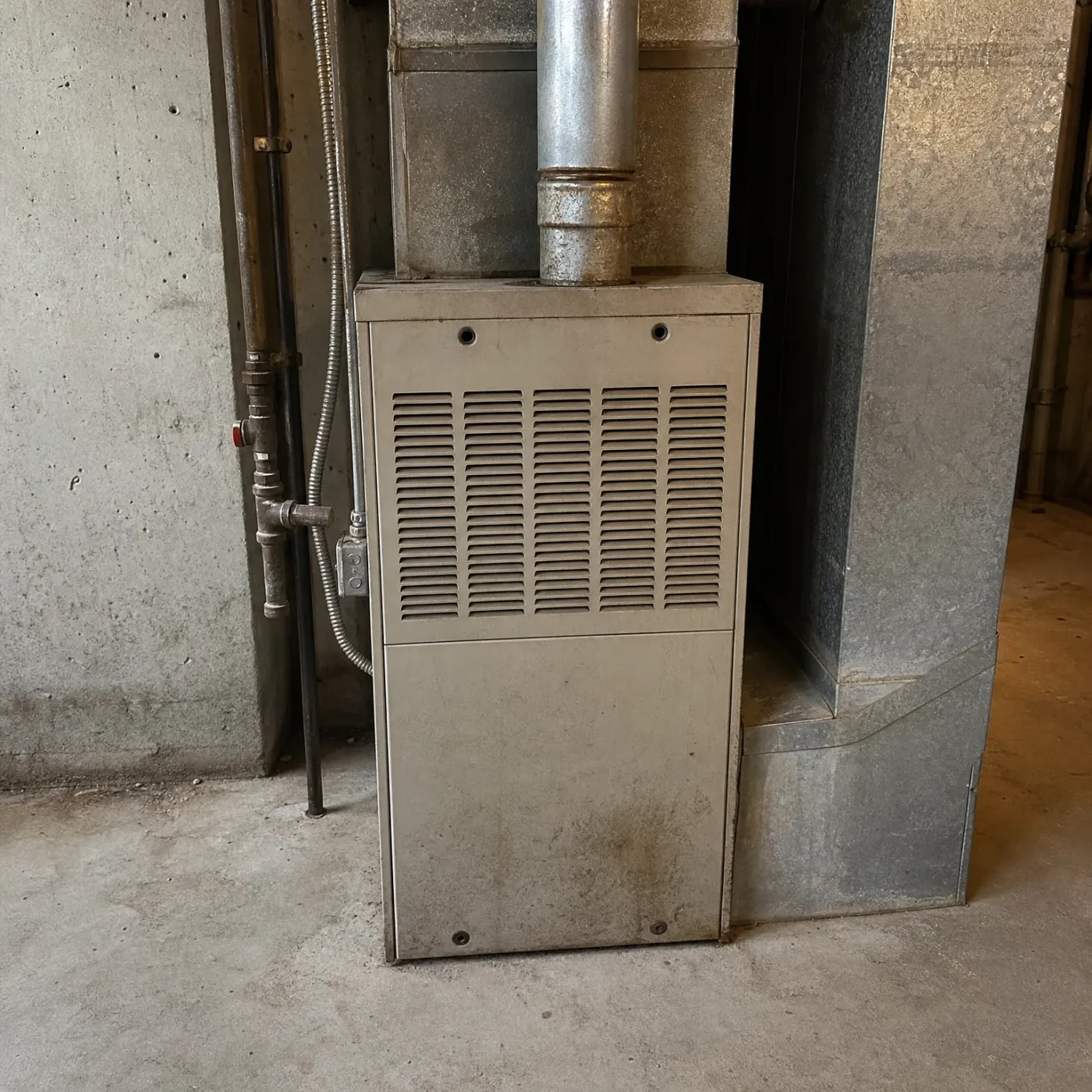
An older gas furnace with louvered panels sits on a concrete pad in a basement, connected to sheet-metal ductwork and PVC and metal pipes, with a water heater and wooden stair framing in the background.
A thermostat pushed up and down by hand makes the furnace work through long, uneven runs, and a strained igniter or blower motor gets found the hard way.
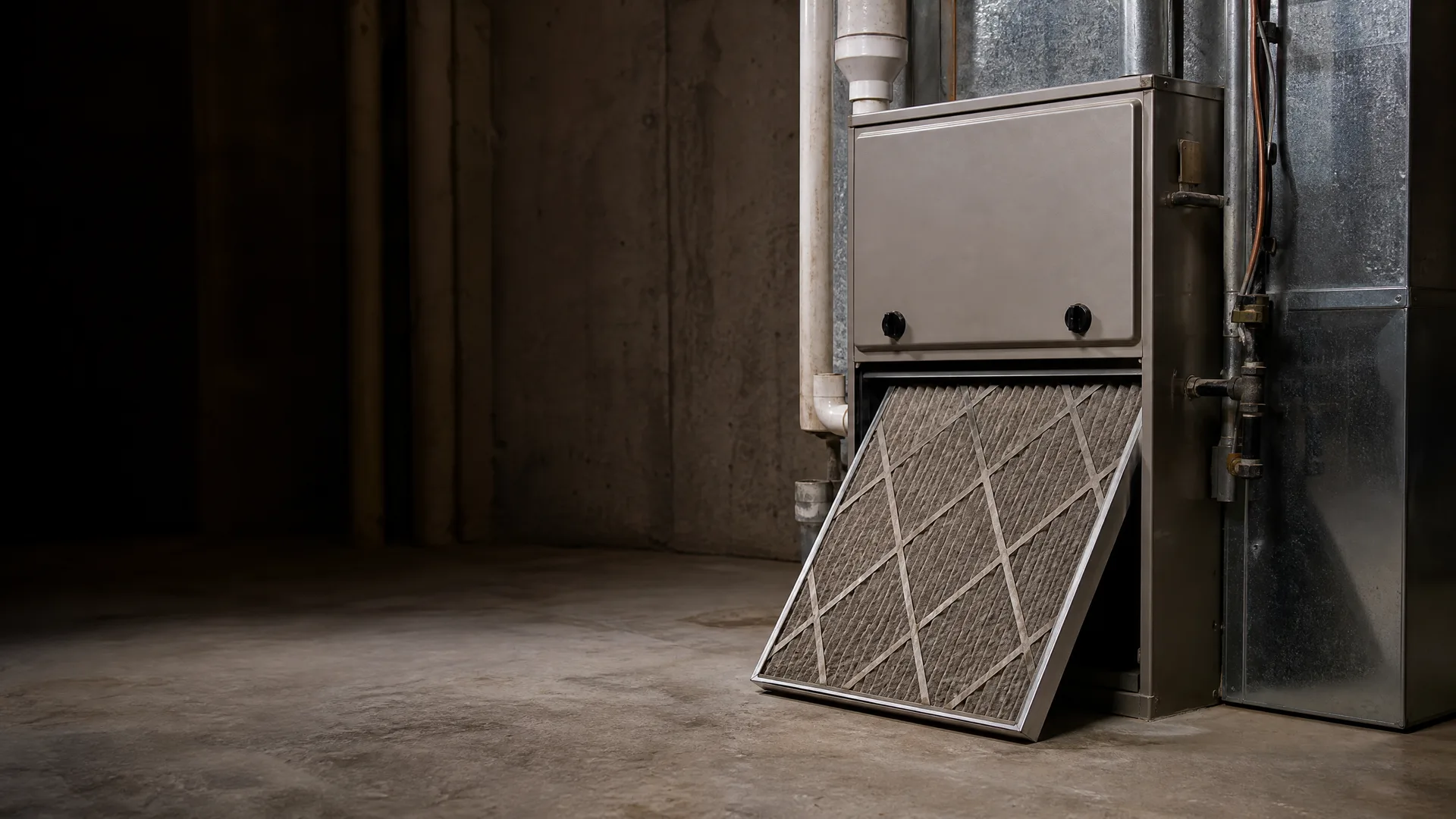
A dirty pleated air filter leans against a furnace with metal ductwork in a dim concrete basement.

You're down in the basement on a Saturday afternoon in October, the light outside already going gray by four. You pulled the filter to check it before the cold really sets in, and it slides out gray with dust, the kind that's been building since spring. You run a thumb along the pleats and dust comes off on your skin. The furnace sits quiet behind you, not running yet, waiting on the first real cold snap. You make a note to get someone out to look at it before you're leaning on it every night, because a clogged filter now is an easy fix, and a furnace straining to push air through it in January is not.

Finding a pro stops being your job

A licensed local pro takes the request for your furnace tune-up.

Sending the form costs nothing.

What a steady setpoint does to wear

A furnace that starts and stops in short, even stretches puts the same small load on its igniter and blower motor each time. One that gets pushed from 62 up to 72 and back has to ramp up and hold a long run to close that gap, and a long run pulls more current through the blower motor and holds the igniter hot longer than a short one does. Over a winter of that, the parts most likely to fail first are the ones carrying the longest runs. A thermostat left alone asks less of the equipment, cycle after cycle, than one moved by hand twice a day.

Why electric heat makes this worth checking

Most homes in West Virginia heat with electricity, and electric furnaces don't have a pilot or gas valve to fail, but the blower motor and heating elements still take the brunt of every long run the same way a gas furnace's blower does. A contractor who services this equipment every winter in West Virginia knows which of those parts tends to wear first on the systems common here, and a seasonal check catches a strained blower or a worn element before it leaves you without heat on a cold morning. That's the kind of thing worth having a local tech look at before the worst of winter, not after.

An older gas furnace with a louvered front panel stands on a concrete basement floor beside galvanized sheet-metal ductwork, a metal flue pipe, gas piping and a flexible conduit along a concrete wall.
Before you get your furnace maintenance
A gray furnace with sheet-metal ductwork, PVC vent pipes and a yellow gas line stands on a concrete basement floor beside wooden stair framing.
After you get your furnace maintenance

Steady Setting vs. Swinging It

Setting it low and letting it run

  • A thermostat left at 66 or 68 runs in short, regular cycles, and the furnace never has to make up lost ground.
  • Pipes along outside walls stay above freezing without you having to think about it, even on nights that drop into single digits.
  • The furnace sees the same small load each cycle, which is the load it was built to handle over a full winter.
  • A bill at this setting reflects steady, moderate run time rather than a string of long, hard runs.
  • If something in the furnace is starting to wear, a technician checking it during a steady winter is more likely to catch it early.

Pushing it up when the house feels cold

  • Jumping from 64 to 72 when you walk in the door makes the furnace hold a long, continuous run to close that gap.
  • A long run on a cold night puts more strain on the igniter and blower motor than the same hours spread across short cycles.
  • Rooms farther from the furnace or the thermostat take longer to catch up, so parts of the house stay cold while others overheat.
  • Swinging the setpoint up and down works against how the thermostat is designed to hold one point, not chase a moving target.
  • A furnace already due for maintenance is more likely to show a problem under this kind of swing than under a steady setting.
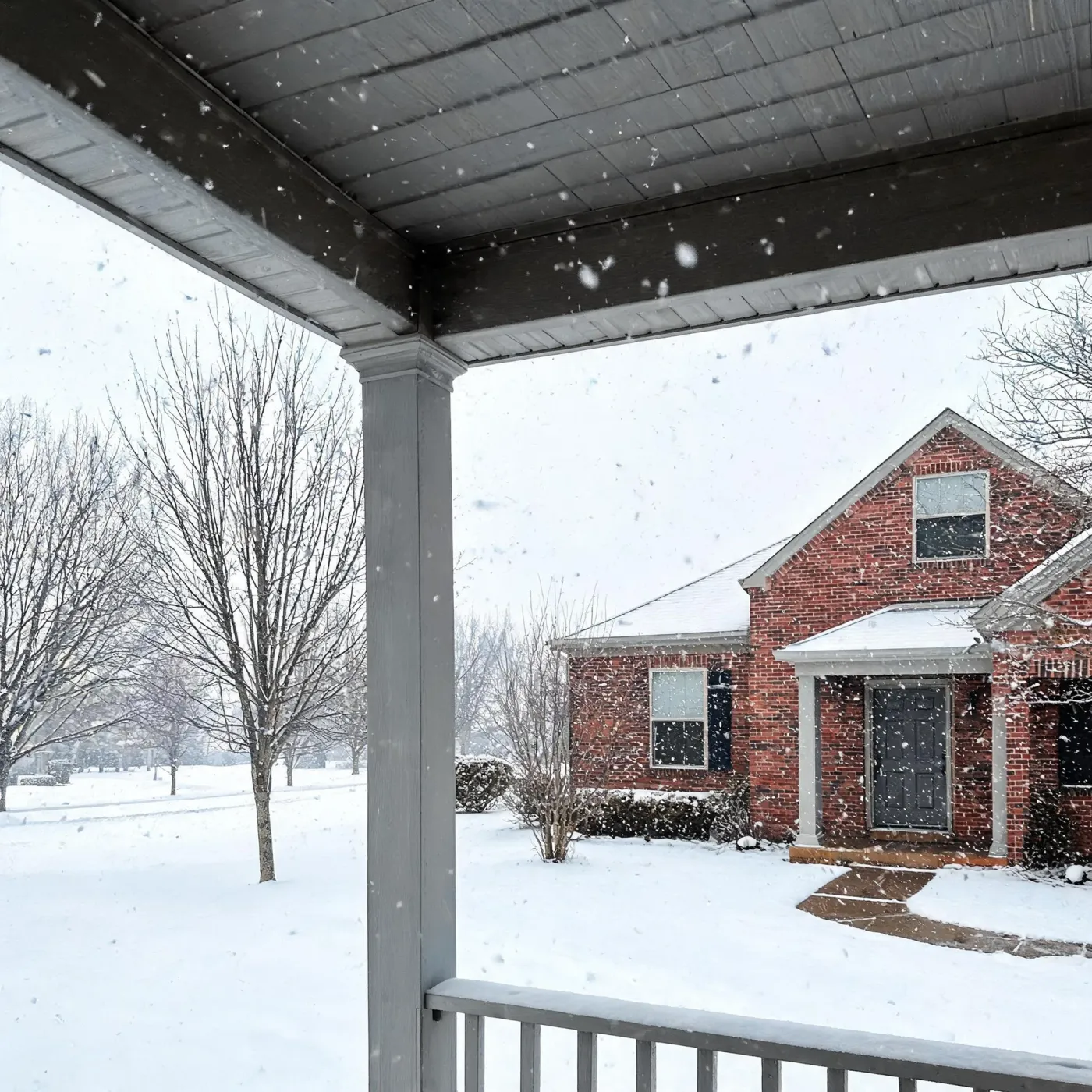
View from a covered porch with a white post and railing toward a red brick house across a snow-covered yard, with falling snow and bare trees.

Winter nights average 25°F across West Virginia, according to NOAA climate data. That's cold enough that a furnace set anywhere near 68 will be cycling on through most of the night, not just running a few times to take the edge off. On the coldest stretches it may run close to the whole night to hold that setpoint. You'll notice it most in a cold bedroom that still feels drafty even with the heat on, or a furnace that seems to be running constantly without much to show for it. That's less about the setting being wrong and more about the house losing heat as fast as the furnace can put it in, which is where a maintenance check earns its keep.

NOAA nClimDiv 1991-2020 county normals weighted by homes

A man in a blue T-shirt sits on a light gray sofa, laughing while looking at an open laptop in the foreground, with a framed picture, lamp and potted plant behind him.
A bearded man in a blue and brown plaid flannel shirt stands indoors looking out a window at snow-covered trees, with a ceramic mug on the windowsill.
A gray high-efficiency furnace in a basement with PVC venting pipes, a yellow gas line, metal ductwork, concrete walls and floor, and a wood-framed stairway at left.

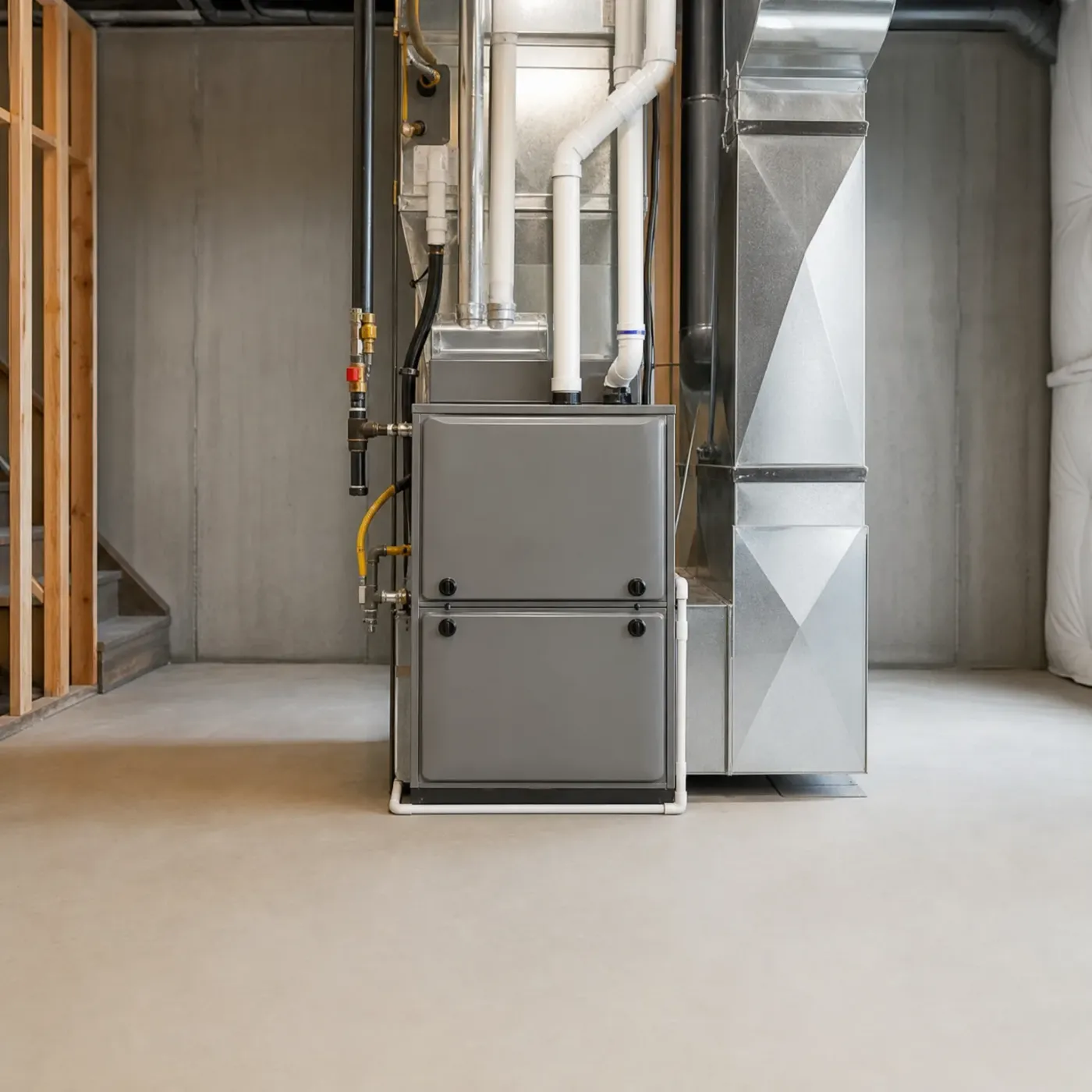
The furnace holding its setpoint

This is what a furnace looks like doing the job it was built for. The cabinet stays closed, the flue pipes run clear, and it fires in short, even cycles to hold whatever temperature the thermostat is set to. Nothing about this setup is working harder than it has to.

A beige furnace with a louvered front panel and metal ductwork stands on a concrete basement floor beside pipes and a white cylindrical water heater.

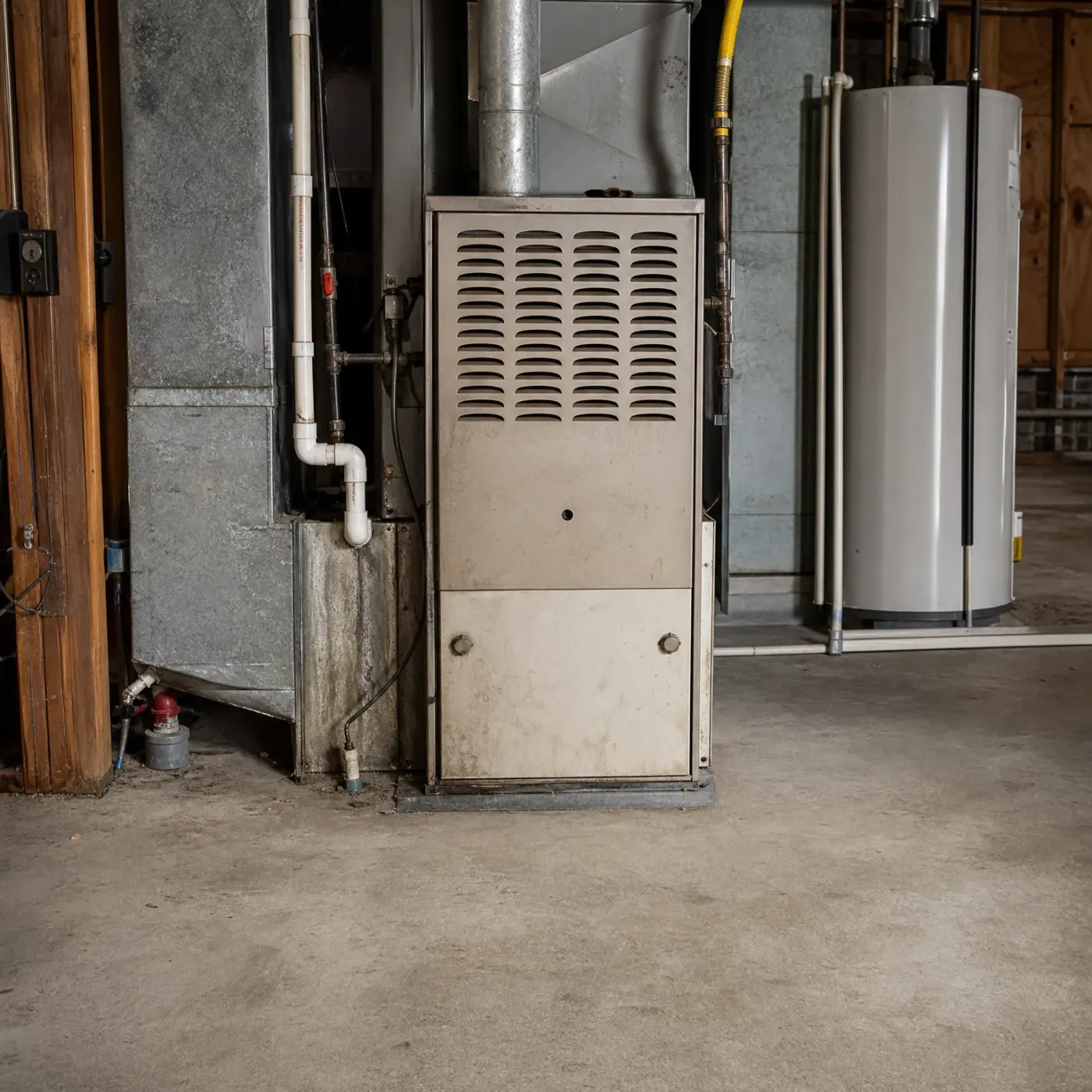
The furnace left to catch up

This is an older furnace that's had to make up ground too often, the kind of strain that comes from a thermostat pushed up and down instead of held steady. Louvered vents and aging ductwork don't cause that wear, but a furnace running long cycles to recover lost heat does.

Winter nights average 25°F statewide

At 25°F, a furnace set to hold steady overnight won't struggle to keep up. It's cold enough to call for regular cycling, not the long, hard runs that come from letting the house drop further and asking the furnace to catch up by morning.

NOAA nClimDiv 1991-2020 county normals weighted by homes

A gray high-efficiency furnace stands on a concrete basement floor beside galvanized sheet-metal ductwork, with white PVC vent pipes, gas and water lines, and unfinished wood framing behind it.

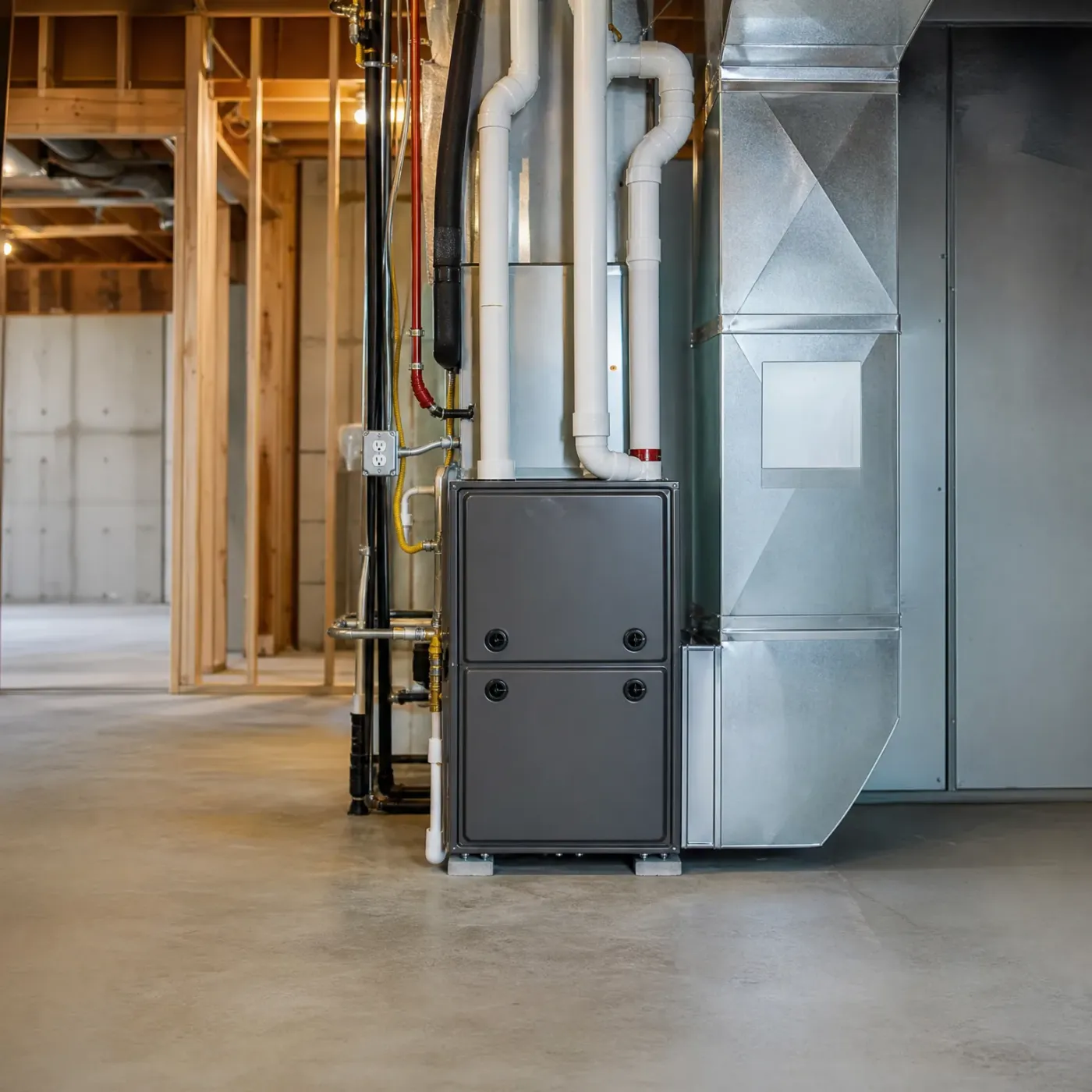
Running the way it should

This is a furnace that's been looked at. The flue pipes run clear, the cabinet's closed up, and it fires in short, steady cycles without strain. Gas lines and wiring are tucked in and undisturbed. Whatever you've got the thermostat set to, it holds it without a fight.

A beige furnace with two louvered front panels stands on a concrete basement floor beside galvanized ductwork, metal pipes, and a wooden post.

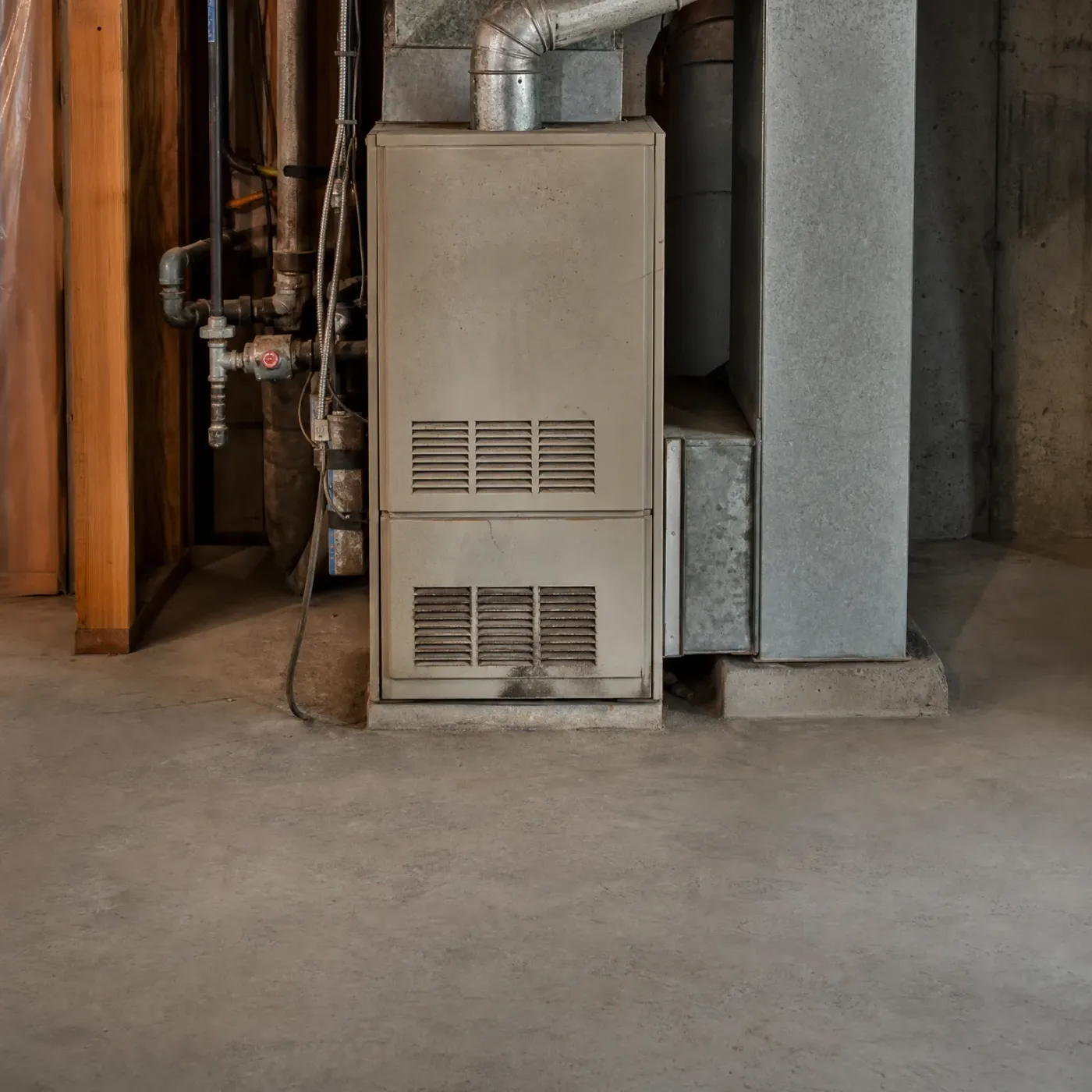
Working harder than it should

Nothing here looks obviously broken, but a furnace left unchecked season after season picks up wear nobody's watching for. A cracked flue vent, a loose gas connection, a blower working dirtier than it needs to. It's still running. It's just running on borrowed time.

A steady setpoint somewhere around 68, left alone day and night, is the straightforward answer for a West Virginia winter. The furnace runs the way it was built to, short and even, and nothing about your electric bill improves by chasing the thermostat up and down instead. If you already catch the small things, a dirty filter, a flue pipe that needs a look, you've got most of what matters covered. The rest is the kind of check that's easy to put off until a cold snap makes it urgent. If you'd rather have someone handle that now, the request that follows goes to a contractor local to West Virginia, licensed, and the only one who'll call you about it. Someone who services furnaces through winters like this one knows which parts give out first and what a system running too hard looks like before it fails outright. You won't be fielding calls from three different companies trying to win the job. One person looks at your furnace, tells you where it stands, and you're done deciding who to trust with it.

Elevated view over a dark standing-seam metal roof with a stone chimney and wood-sided gable, surrounded by conifers and autumn-colored trees with forested hills under an overcast sky.

Let someone else find the pro

Find a local pro

You're not committing to anything by asking.

A furnace that's been checked before the cold sets in holds its setpoint without the long, strained runs that wear on an igniter or blower motor. Sending your address over gets a local contractor who works on furnaces like yours all winter looking at it, no guesswork about what's inside your house, just someone who knows what tends to fail.