Profile view of a bearded man wearing a black baseball cap and a dark gray T-shirt against a plain light background.

When a furnace flame sensor needs cleaning in West Virginia

Step 1 of 3: Equipment

A furnace flame sensor needs cleaning once a year, usually right before you start running the furnace for the season. The sensor is a thin metal rod near the burners, and it picks up a coating of soot and oxidation the longer it sits in the flame. Once that coating builds up, the sensor can't tell the control board the flame is lit, and the furnace shuts itself off, sometimes a few seconds after it starts, sometimes after a few minutes. Most homes in West Virginia heat with electricity rather than gas, so if your furnace is electric, this isn't something you'll deal with. If you do have a gas furnace, a furnace that starts, runs briefly, then shuts off and tries again is the sign to watch for. That pattern points straight at the flame sensor, and it tends to show up early in the heating season, right when you're relying on the furnace every day.

A gray-haired bearded man in a dark coat and scarf dusted with snow stands smiling in a dimly lit entryway with a white front door, a side table with a lit lamp, an oval mirror, and a patterned rug.
An older bearded man in a dark snow-dusted coat and gray scarf stands just inside a dimly lit home entry, with a framed picture, lit table lamp, and an adjoining room with a fireplace behind him, and snow visible through the open door.
A gray-haired, bearded man in a dark snow-dusted coat stands smiling in a dimly lit entry hall with a staircase, a lit table lamp, a framed picture, and a living room visible through a doorway.
An older man with gray hair and a beard, wearing a dark jacket dusted with snow, stands smiling in a dimly lit hallway with lamps and a living room visible behind him.

The flame sensor doesn't look for fire. It reads a small electrical current that only flows while the rod is sitting inside an actual flame, and that current is how the control board knows to keep the gas valve open. Soot and oxidation build up on the rod over time, and once that coating gets thick enough, it acts like insulation. The current drops too low for the board to trust, even though you can see the burners running fine. The board doesn't take chances on a weak signal. It shuts the gas off, tries again, and after three failed attempts it locks the furnace out rather than risk gas flowing without a confirmed flame. That's usually what you notice first: short heat, then nothing. Cleaning the rod is simple once it's out, just a fine abrasive pad to scrub the coating off, no water or cleaner involved. How often it needs doing depends on how hard the furnace works. One that runs most of the winter will coat that rod faster than one that only kicks on for a few weeks a year.

Why the Sensor Fails Quietly

  • The flame sensor works by sending a tiny electrical signal through the flame to tell the control board the burners are actually lit.
  • A layer of soot or oxidation on the rod weakens that signal even though the flame itself still looks fine to you.
  • Most furnaces will try to relight three times before locking out, so a dirty sensor often shows up as short bursts of heat followed by shutdown.
  • The rod sits directly in the burner flame, so cleaning it just means removing it and wiping the coating off with a fine abrasive pad, not water or chemicals.
  • A sensor that's too dirty won't send enough current for the board to recognize a flame, so the furnace cuts gas to the burners as a safety measure.
  • Furnaces that run most of the winter build up this coating faster than ones used only a few weeks a year.
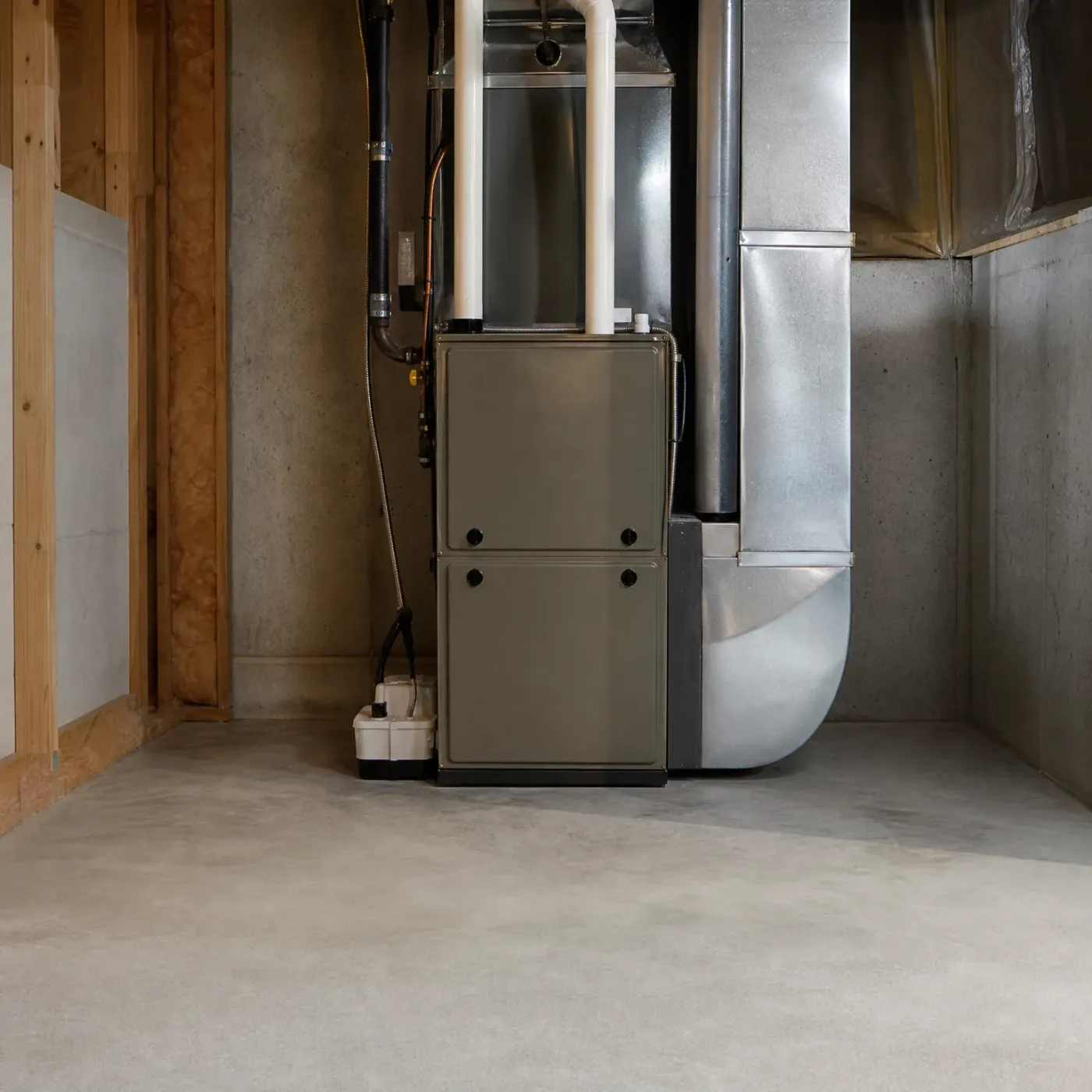
A gray high-efficiency furnace with white PVC vent pipes stands against a concrete basement wall beside sheet-metal ductwork, a small condensate pump on the floor, and exposed wood framing at left.
A clean sensor lets the furnace fire and keep running without interruption through a West Virginia winter.
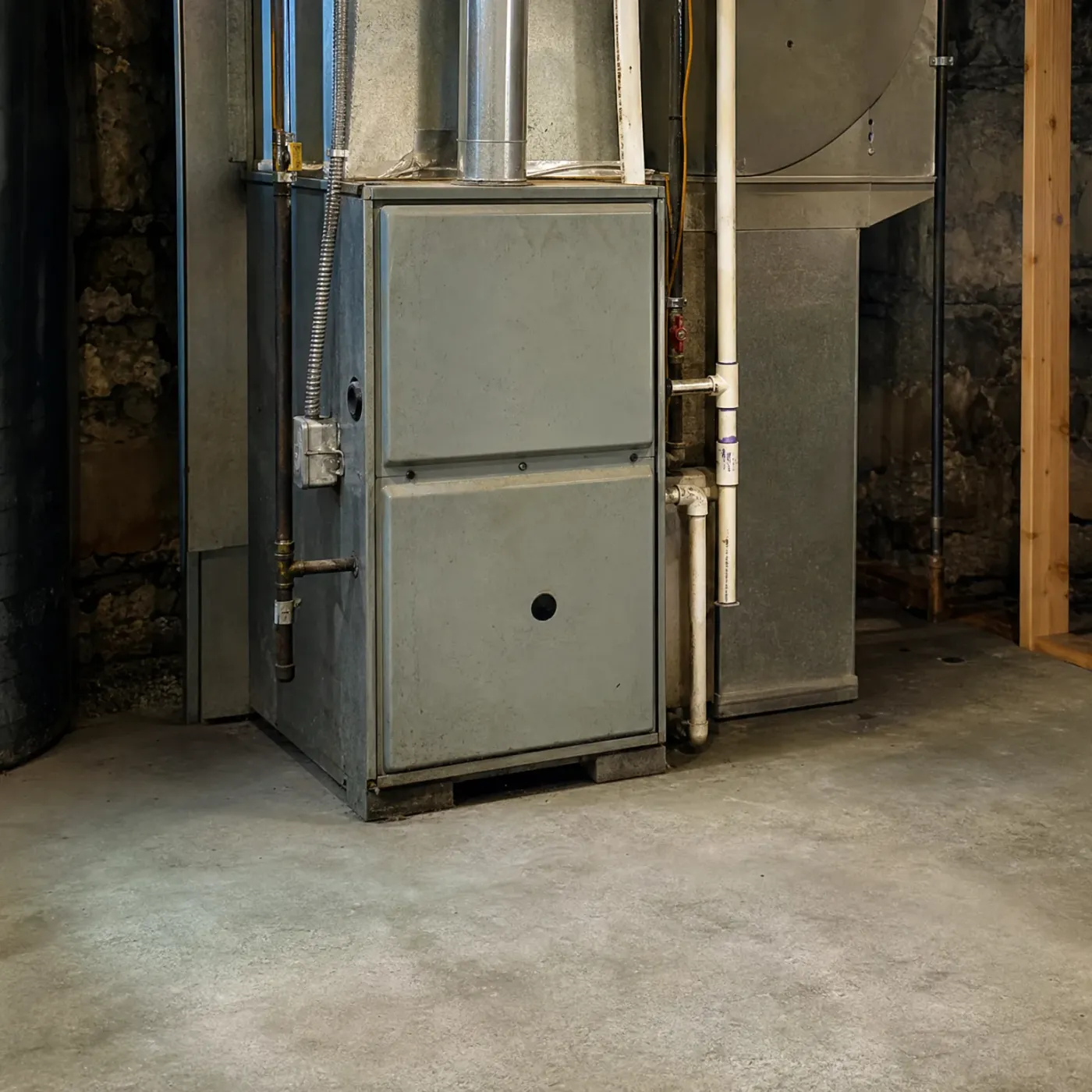
A gray sheet-metal furnace with flue pipe and adjacent ductwork stands against a stone basement wall on a concrete floor, with white PVC and metal pipes running nearby.
A dirty sensor can make the furnace shut off a few minutes after startup, over and over, until it's cleaned.

How often should I clean my furnace's flame sensor?

You've already read that the flame sensor collects soot over time and that a dirty one can cause the furnace to shut off on its own. Now you want a straight answer on timing so you know when to actually get it done, not just that it matters.

Once a year, before the furnace starts running for the winter

Clean the flame sensor once a year, ahead of the first cold stretch, since most homes here heat with electricity and the furnace may sit idle for months before that first startup. A sensor that picked up a light coating of soot last winter won't shed it on its own over the summer. If the furnace ran fine all last season and never short cycled, once a year is enough. If it struggled near the end of winter, shutting off a few minutes after starting, that's a sign the sensor needed attention sooner and is worth checking again before the next cold stretch rather than waiting a full year.

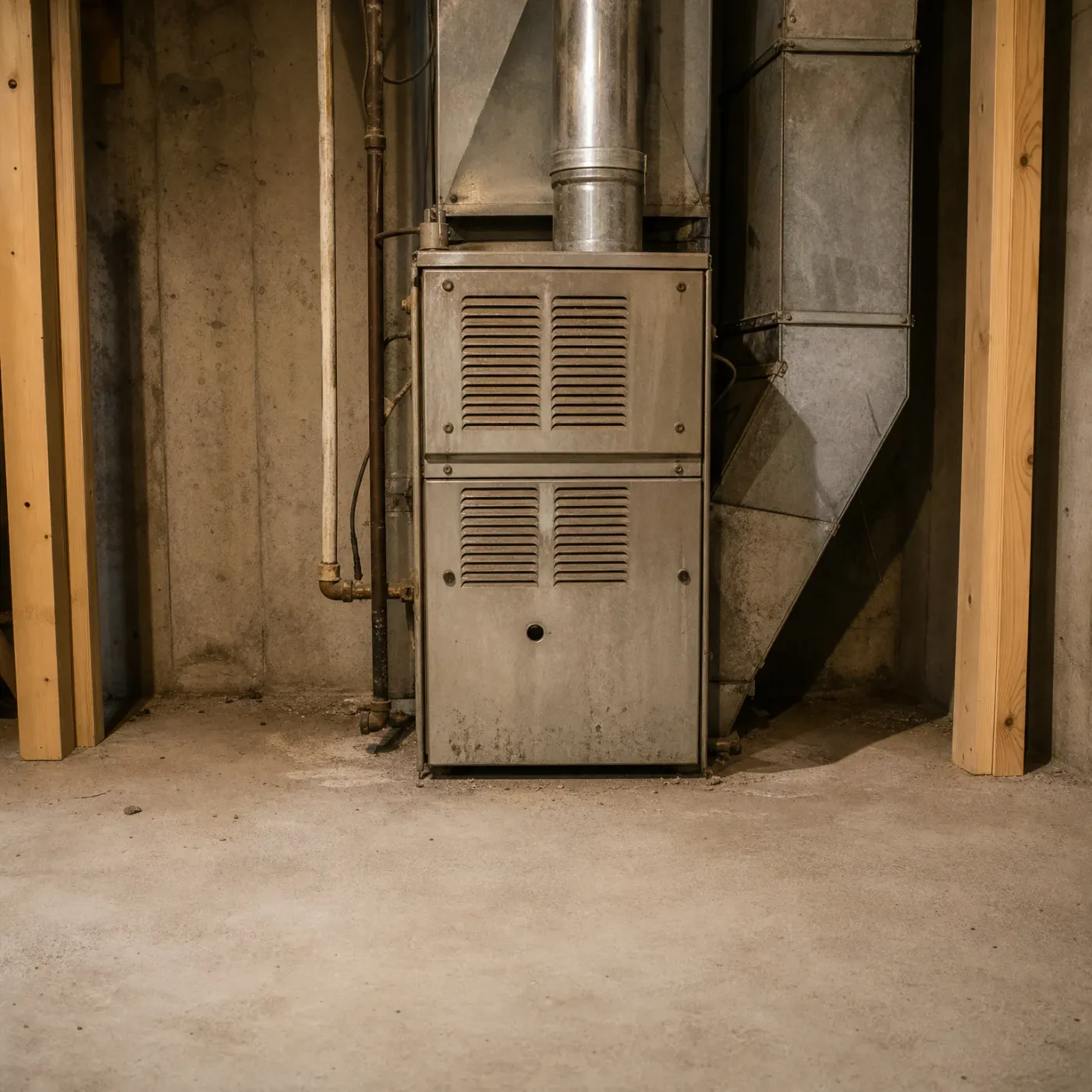
A metal furnace with louvered panels stands against a concrete basement wall, connected to sheet-metal ductwork and a round flue pipe, with wooden framing posts and a pipe nearby.
Before you get your furnace maintenance
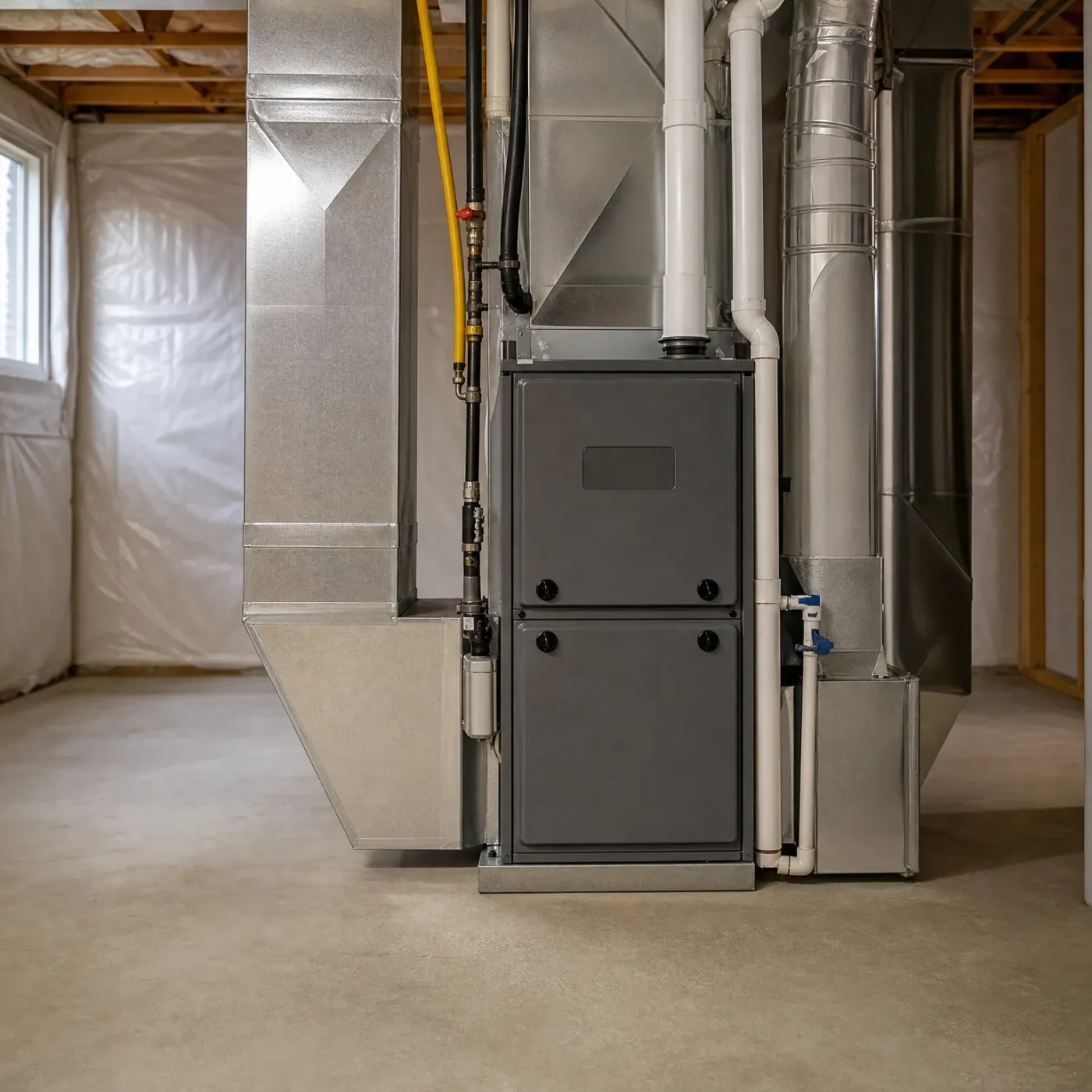
A gray gas furnace stands on a concrete basement floor, connected to sheet-metal ductwork, white PVC vent pipes, and a yellow gas line, with plastic sheeting covering the walls.
After you get your furnace maintenance

A local pro for your furnace maintenance

Most homes in West Virginia heat with electricity, but if you're one of the ones running a gas furnace, that flame sensor still needs a once-a-year cleaning to get through the cold months without trouble. Finding someone to do it is its own chore. You'd be searching for a contractor who still works on furnaces, calling a few to see who answers, explaining the same thing about the furnace shutting off after a few minutes, then waiting on quotes to come back so you can sort through them and pick one. That's time you don't have to spend. Once you request a match here, that search and the back and forth stop. A contractor who handles this gets your information and reaches out to you directly. You still have a furnace that needs a clean sensor before winter sets in, but you're not the one tracking down who can do it.

Why cleaning works better early

Soot builds up slowly, so a sensor that's fine in October can be coated by January. Cleaning it before you start running the furnace catches the buildup before it causes a problem, instead of after the furnace has already started cutting off mid-cycle. A contractor doing this as part of a fall maintenance visit can check the sensor along with the rest of the system in one trip, rather than coming back out later for a furnace that's already acting up on a cold night.

What a dirty sensor leads to

A furnace that shuts off a few minutes after startup isn't broken in any permanent sense. It's doing what it's designed to do when the control board doesn't get a strong enough signal that the flame is lit. Left alone, that shutoff cycle repeats every time the furnace tries to run, which means less heat on the coldest days and more wear on the igniter from all the extra start attempts. A cleaning usually clears it up without needing any parts replaced.

Winter nights average 25°F statewide

Those 25°F nights mean your furnace is running long stretches, not just kicking on now and then. A sensor coated in soot can't signal reliably through hours of steady firing, so the shutoffs show up fast once the cold settles in for good.

NOAA nClimDiv 1991-2020 county normals weighted by homes

Clean It Before Winter Settles In

  • A furnace flame sensor in West Virginia needs cleaning once a year, before cold weather settles in for good.
  • Soot builds up slowly on the rod, so a sensor that worked fine in October can be coated by January.
  • A dirty sensor shows up as a furnace that fires, then shuts off a few minutes later, over and over.
  • Cleaning the rod before the first cold stretch avoids the repeated shutoffs that show up once the furnace runs for hours at a time.
  • Instead of calling around to find someone who services furnaces, you can get matched with a contractor who handles this and have them reach out to you directly.
  • That skips the part where you explain the same shutoff problem to several different contractors before comparing what they quote you.

A furnace flame sensor is a small part, but it decides whether your furnace keeps running once the cold settles in for good. Clean it once a year, before you're leaning on the furnace for hours at a stretch, and the soot never gets the chance to build up to a point where it causes trouble. Wait until January, after weeks of steady firing, and that same coating turns into a furnace that fires and quits, fires and quits, on the coldest nights of the year, which is the worst time to be without heat in West Virginia.

The timing is simple. The mechanics behind it are what make the timing matter. Skipping the cleaning doesn't break anything outright, it just lets the rod's signal get weaker until the control board can't trust it, and the furnace shuts down rather than run on a reading it can't confirm.

Getting it done is the part that takes effort, not the logic behind it. Rather than searching for a contractor who services furnaces, calling a few, and explaining the same shutoff problem to each one before you can even compare what they'd charge, you can skip straight to being matched with someone who handles this work and let them contact you. The cleaning still has to happen. Finding who does it doesn't have to be the hard part.


A wooden front door with six small glass panes and a narrow sidelight, set in a shingled house entry with white trim, reached by stone steps flanked by a planted urn with purple flowers and leafy branches in the foreground.
Exterior corner of a house with beige horizontal lap siding and a black-framed window, with white hydrangeas, ornamental grasses and low plantings along a flagstone patio.
Corner of a house with tan lap siding and a window, a brick step edge, flowering white hydrangeas and green shrubs beside a flagstone walkway leading to a white picket fence and a tree in backlit sunlight.
House exterior with cream horizontal lap siding, a dark-framed window, a black wall lantern beside a wood door, potted shrubs on stone steps, and white and pink hydrangeas in the foreground garden.
Corner of a cream lap-sided house with a white-framed window and dark shingled roof, beside a white-flowering hydrangea shrub, a clipped hedge, mulched bed and lawn.

Get the right pro for your furnace

Skip calling around to set up a furnace tune-up.

Get a local pro

Sending the form costs nothing.