


Why your furnace keeps turning on and off in West Virginia

Describe your furnace job, and a local pro who handles it gets in touch.

Get my match

Why does my furnace keep turning on and off?

You notice the furnace fires up, runs for a few minutes, shuts off, then starts again not long after. It never seems to settle into a normal cycle, and you're trying to figure out if this is something that needs attention now or can wait. With electric heat running most homes here, a furnace that cycles too much can mean higher bills on top of the worry.

It's short cycling, usually from a dirty filter, a bad thermostat, or a failing part inside the furnace.

Most often a clogged filter is cutting off airflow, so the furnace overheats, shuts itself down to protect the heat exchanger, then kicks back on once it cools. A flame sensor or limit switch going bad does the same thing. A thermostat that's miscalibrated or in the wrong spot in the house can also tell the furnace to stop and start more than it should. None of these fix themselves, and a furnace that keeps cycling works harder than it needs to every time it runs. With electric heat covering most homes in West Virginia, that extra cycling shows up on the power bill before it shows up as a bigger repair.

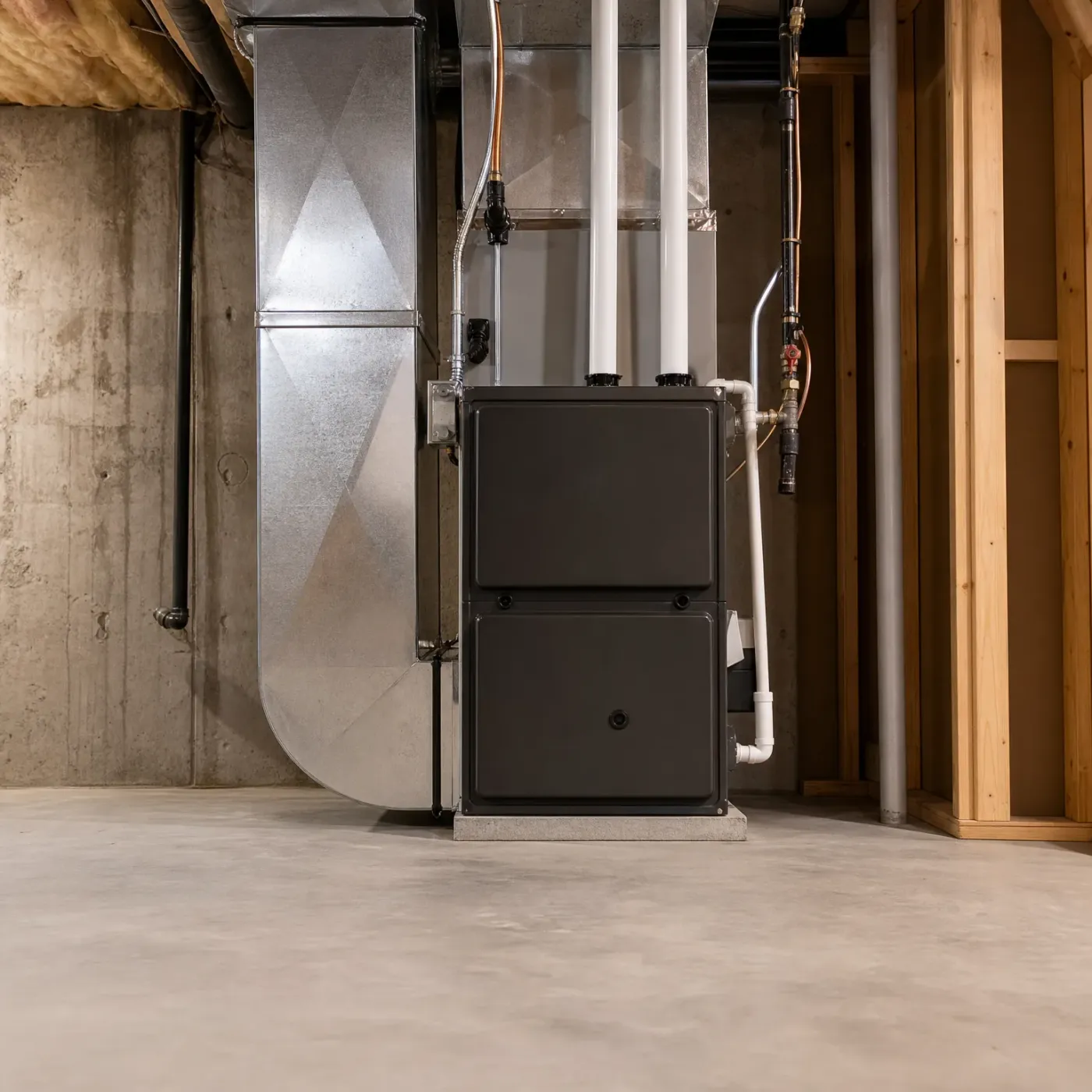
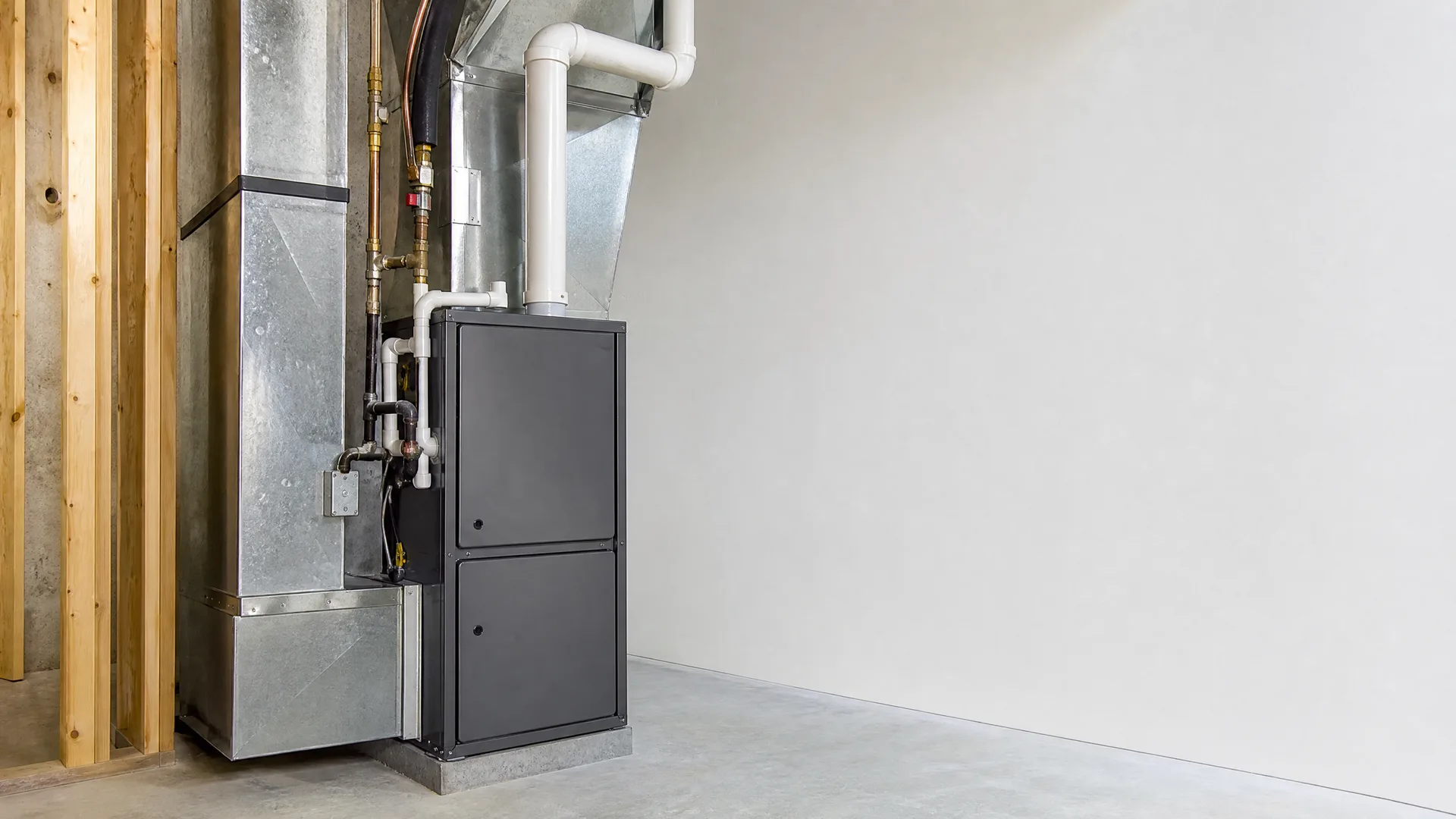
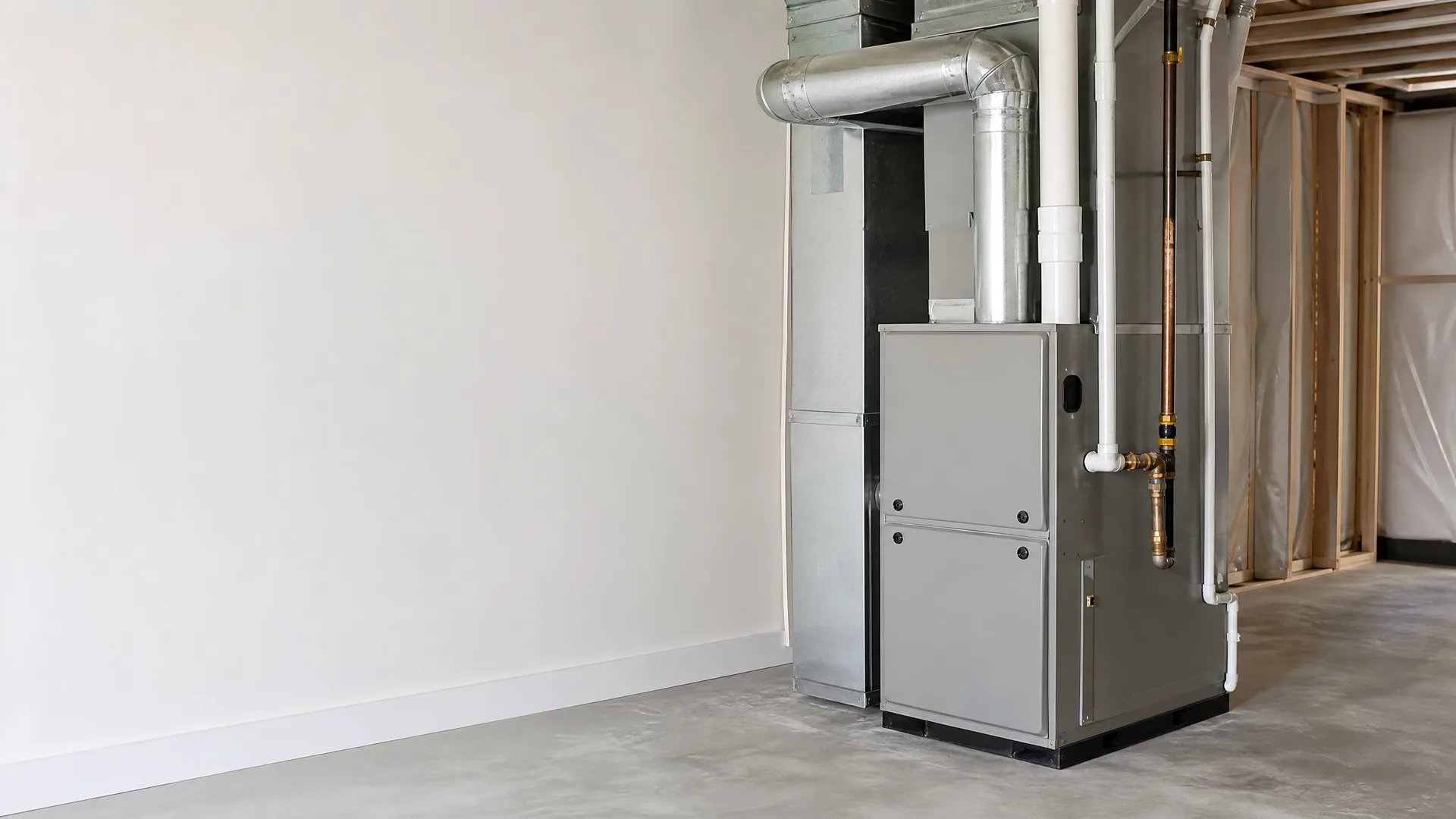
A dark gray furnace connected to galvanized sheet-metal ductwork, white PVC vent pipes and copper piping, standing against a plain light wall in a room with a bare concrete floor and exposed wood framing at left.

What short cycling does to the furnace

Most electric furnaces here warm the air with resistance coils, not a gas burner. Each time the furnace fires and shuts off within a few minutes, those coils and the blower motor take a hit of wear they weren't built to handle that often. A furnace sized right for your house should run a full heating cycle, warm the rooms, and shut off until the thermostat calls again. Starting and stopping every few minutes instead means something is cutting that cycle short before the house actually gets warm.

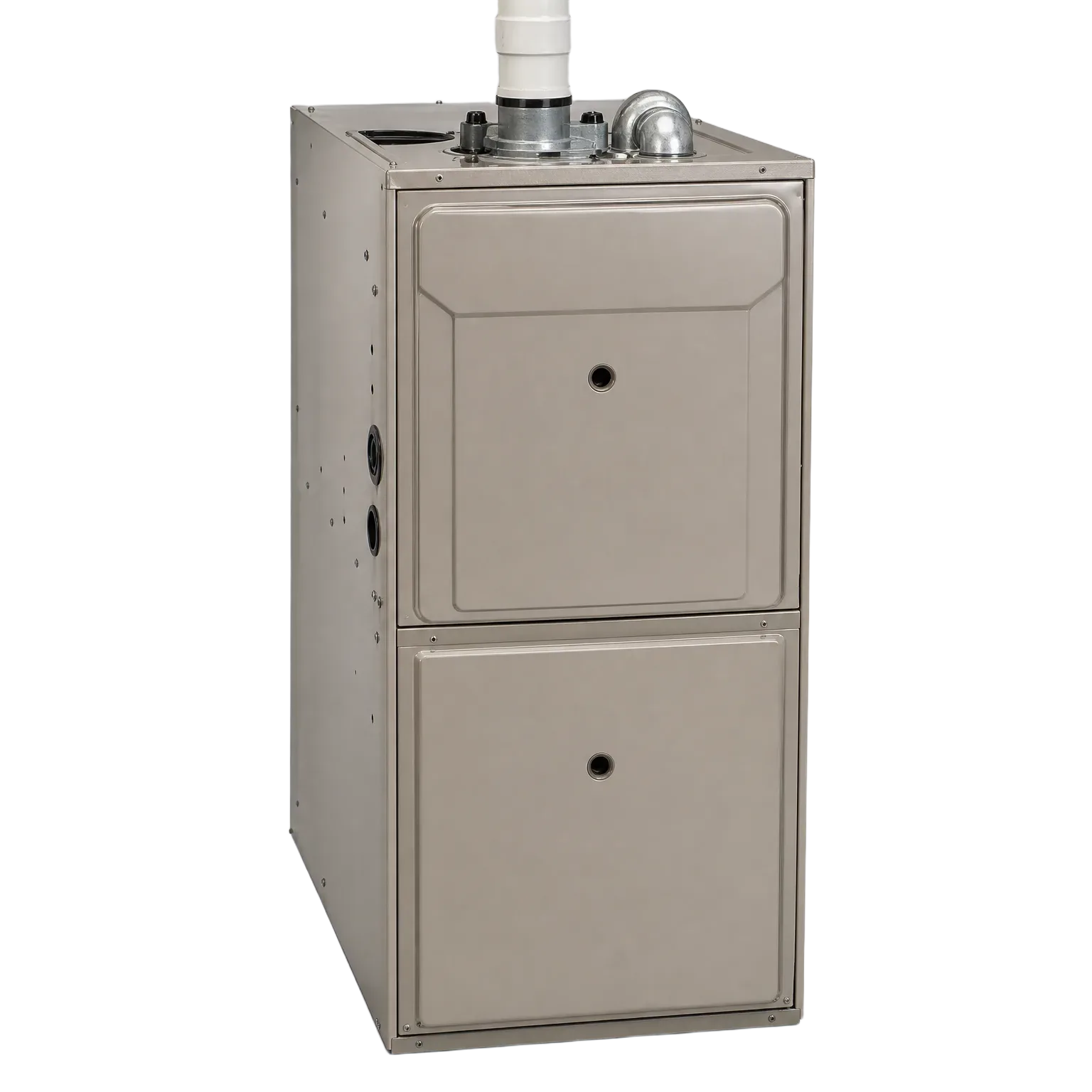
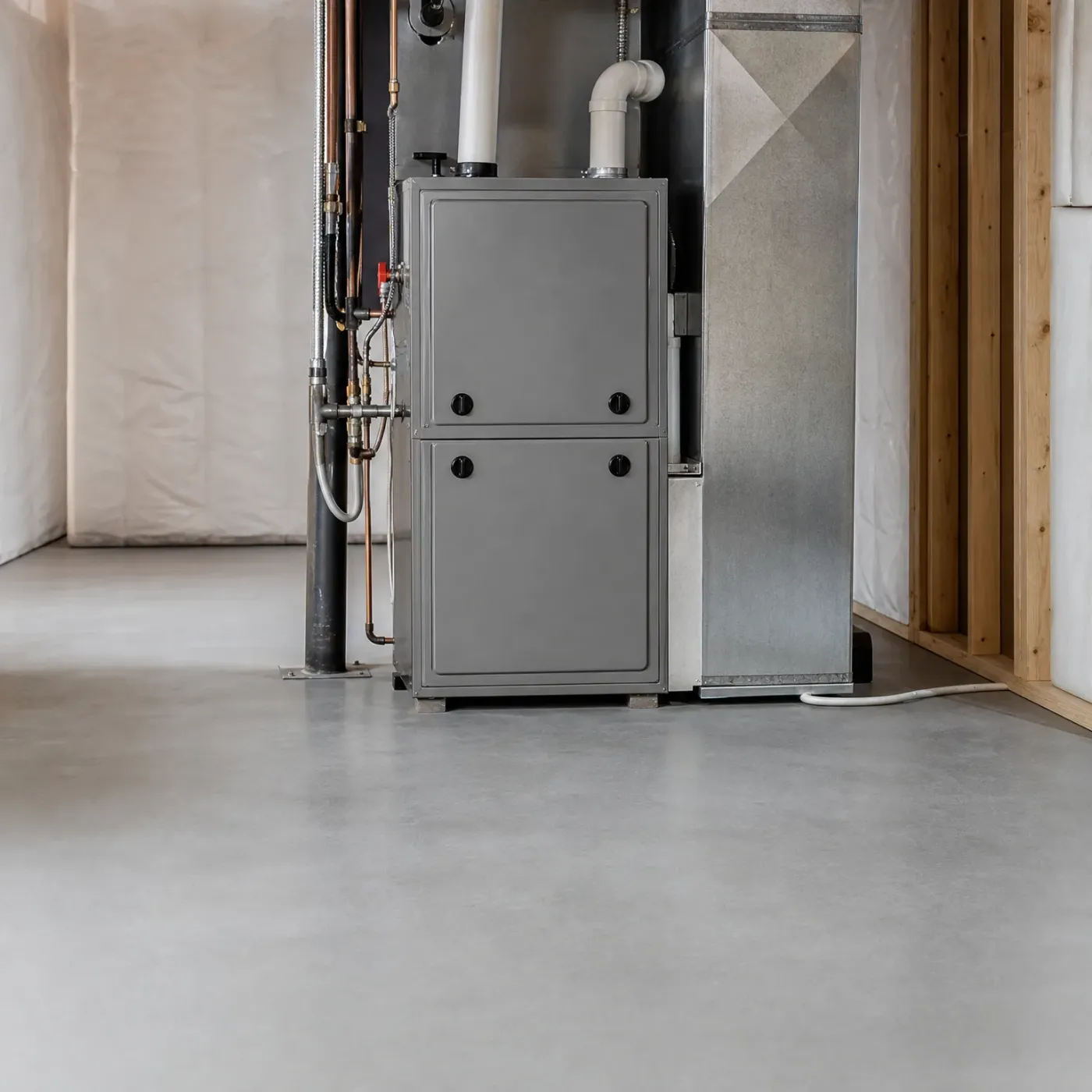
A gray high-efficiency furnace with sheet-metal ductwork, white PVC vent pipes and copper piping stands against a wall in an unfinished basement with a concrete floor and insulated wood stud framing at right.

A clogged filter is a common cause

A dirty air filter blocks airflow across the heating coils. The furnace senses the air around the coils getting too hot too fast and shuts itself off as a safety measure, then restarts once things cool down. This can repeat for hours. Check the filter where it slides into the return duct or the furnace cabinet. If it's gray and packed with dust, that's likely part of what's forcing the furnace into this pattern, though a failing limit switch or blower motor can cause the same thing even with a clean filter.

A woman stands in the open doorway of a white stucco house holding the dark door, facing a man in a black cap and shirt seen from behind in the blurred foreground, with a potted flowering plant beside the entry.

What this means for your house

A furnace that keeps restarting can't hold a room at a steady temperature. You'll feel it as a draft that comes and goes, or a room that's warm near the vent and cold ten feet away. Upstairs bedrooms and rooms far from the furnace usually show it first, since they depend on a full, steady run to catch up.

Short cycling also tends to raise the electric bill, since the blower and coils draw power every time they start, and starting costs more than running. If this has been going on for a while, it's worth having someone look at the furnace before a cold stretch makes the swings worse. Once you fill out the form, you're not the one tracking down who's available. A contractor who covers your part of West Virginia gets in touch with you directly, and the rest of the search is off your plate.

A wooden table holding a stone vase with a bare branch, two stacked books and a small dark bowl, beside a window with green foliage outside and a sofa in the dim background.
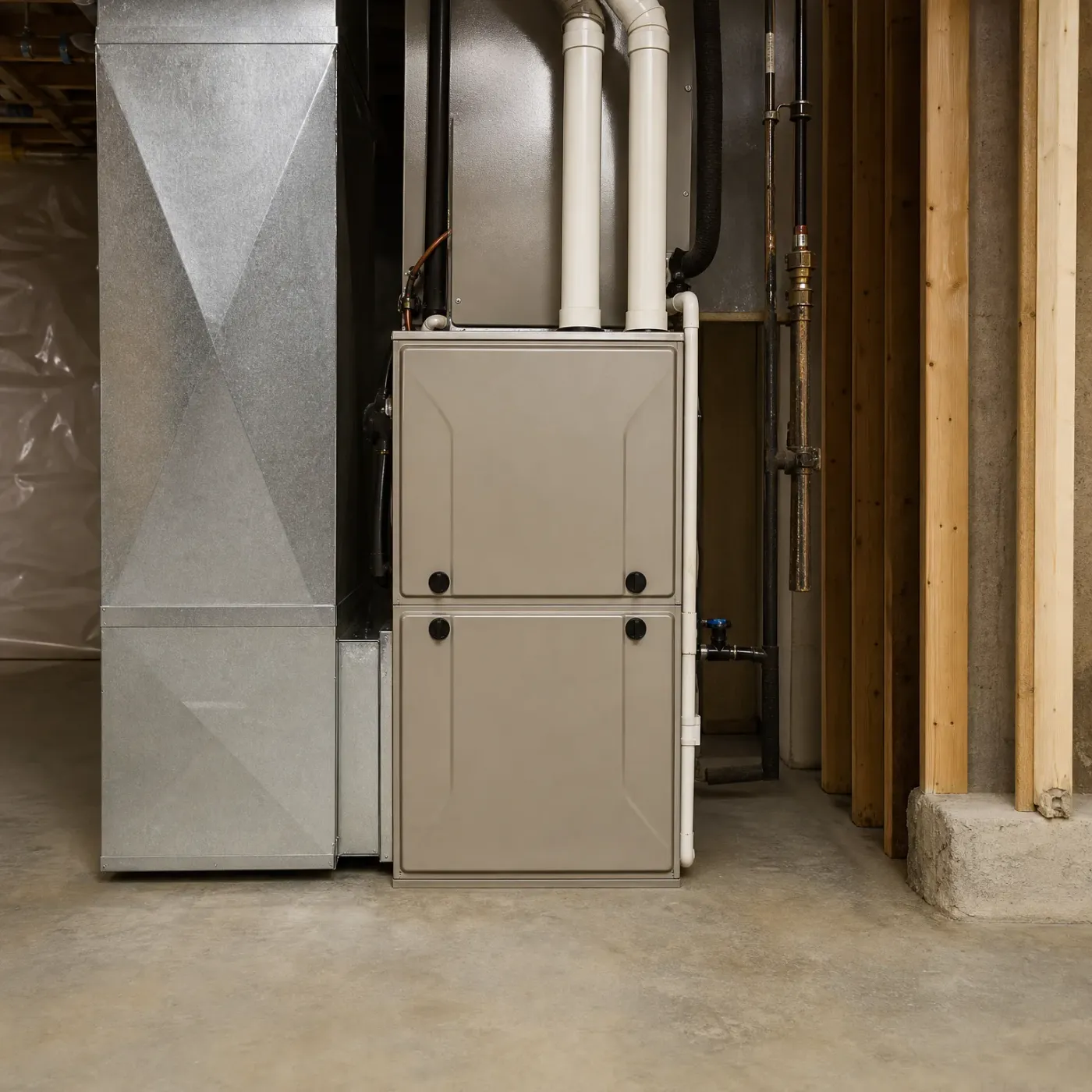
A gray furnace with white PVC vent pipes stands beside sheet-metal ductwork in a basement with a smooth concrete floor, exposed wood framing, and plastic sheeting on the walls.

A furnace cycling the way it should

This is what steady looks like. The furnace fires, runs a full cycle, and shuts off only once the thermostat is satisfied. The ductwork above stays quiet, the gas piping along the wall sits undisturbed, and the unit holds its temperature without restarting every few minutes.
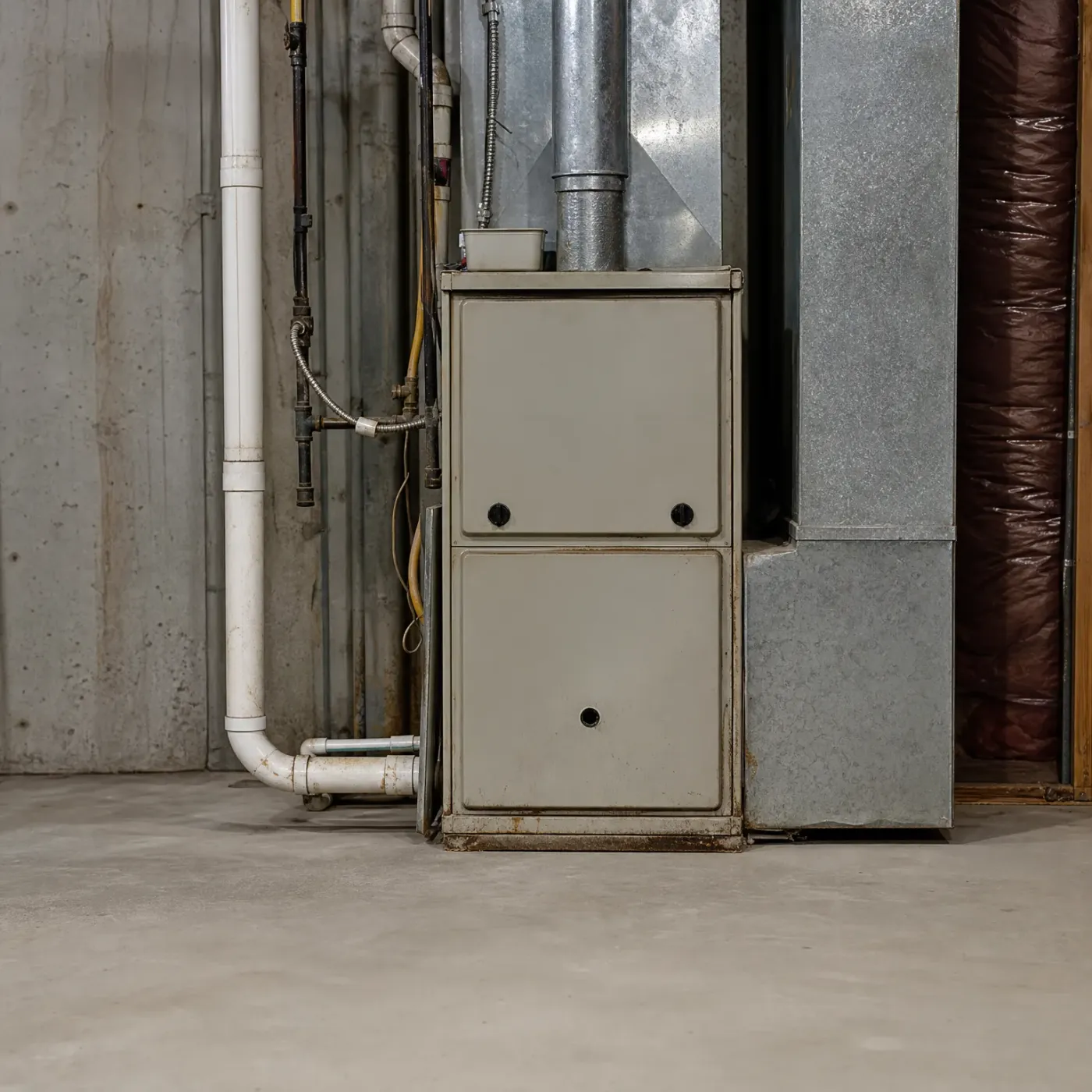

A beige furnace with two access panels stands against a concrete basement wall, with galvanized sheet-metal ductwork, a white PVC pipe, flexible conduit and insulated ducting around it.

A furnace showing its age

Rust on the cabinet and wear around the flue pipe often line up with short cycling. An older furnace that's lost efficiency may struggle to complete a normal run, tripping safety switches and restarting before it's done the job. That wear doesn't reverse on its own.

Is this costing you money and keeping the house cold anyway

Watch the thermostat for an afternoon. If the furnace is kicking on five or six times an hour instead of settling into long runs, that's short cycling, and electric resistance heat punishes it more than other systems because every restart pulls full current to warm the coils back up from cold. Your bill reflects that even though the house never gets properly warm. You might also notice the blower sounds strained on startup, or a breaker that trips more than it used to. Left alone, the blower motor and coils keep absorbing stress they weren't built for, and a part that fails outright costs more to fix than catching this now.

A woman with long blonde hair in a light blue shirt leans back on a beige sofa with her eyes closed, in a softly lit living room with cushions and a blurred plant and shelf in the background.
A woman with long dark hair in a gray knit sweater sits on a gray sofa with a cushion, looking toward a window in a living room with framed pictures and a lamp in the background.
A woman with long dark hair in a light grey knit sweater sits on a sofa indoors, looking to her right, with a framed landscape picture, a potted plant and a curtained window behind her.
A woman with long dark hair leans back against a gray sofa with her eyes closed, in a living room with a curtained window, a potted plant, and a dark screen in the background.

Call Now or Watch It First

Call for repair now

  • A furnace that short cycles all day is putting extra wear on the blower motor and heating coils every single time it restarts.
  • The longer this runs, the more those coils and the motor take hits they weren't built to absorb in such short bursts.
  • A contractor can check the airflow, the thermostat, and the limit switch to find which one is cutting the cycle short.
  • Rooms that stay uneven now, warm by the vent and cold ten feet away, usually don't correct themselves without that diagnosis.
  • Waiting through a few more weeks of this is a few more weeks of the same wear landing on the same parts.

Wait and watch it

  • If the cycling just started and only happens once or twice a day, it may be tied to something as simple as a dirty filter.
  • A thermostat set too close to the room temperature can also cause short runs without any part failing.
  • Swapping the filter and checking the thermostat setting costs nothing and rules out the easiest explanations first.
  • If the furnace still cycles the same way after that, the cause is inside the system and watching longer won't change it.
  • Letting it run this way through a full winter means the coils and blower absorb months of restarts instead of days.
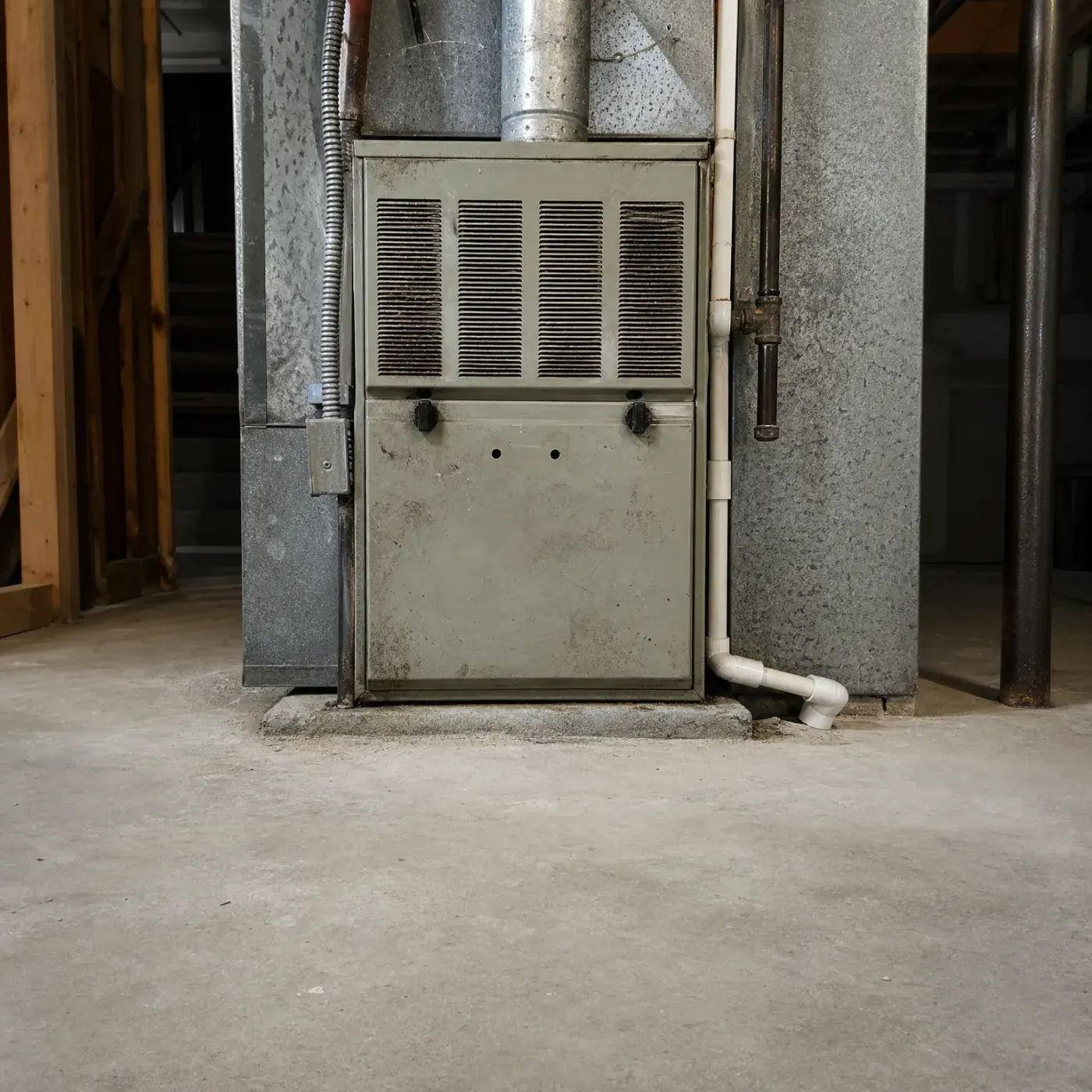
A gas furnace with a louvered upper panel stands on a concrete pad in a basement, flanked by sheet-metal ductwork, white PVC and metal pipes, and insulated columns.
Before you get your furnace repair
A dark high-efficiency furnace on a concrete pad in a basement, connected to galvanized ductwork, white PVC vent pipes, and copper and black gas piping, with concrete walls and wood framing nearby.
After you get your furnace repair

The right pro for this job

Send the request today and stop worrying about who to call.

You only hire the pro if you want to.

Why the furnace keeps restarting

  • A high limit switch shuts the furnace off if the air inside the plenum gets hotter than it's built to handle.
  • Dirty coils or a blocked filter make that plenum run hotter, so the limit switch trips sooner than it should.
  • A thermostat mounted in the wrong spot, like near a vent or in direct sun, can tell the furnace to shut off before the room is actually warm.
  • The blower motor is supposed to keep pulling air across the coils even after the heat shuts off, and a failing one leaves heat trapped where the limit switch can sense it.
  • Flame sensors and ignition parts don't apply to electric furnaces, but a loose wire or failing relay can cause the same on-off pattern.
  • Each restart means the coils and blower motor cycle through a startup they weren't designed to repeat this often in one afternoon.

Electric furnaces have a high limit switch inside the plenum, the chamber the coils heat air in before the blower sends it into your ducts. That switch is there to shut the furnace off if the air gets hotter than the plenum is built to handle. It's a safety part, not a flaw, but it will trip early if something is making the plenum run hotter than normal. A filter clogged with dust or coils caked with buildup both do that, since either one slows the air moving past the heat and lets it build up where the switch can read it. The blower motor matters here too. After the coils shut off, the blower is supposed to keep pulling air across them to clear that trapped heat. If the motor is weak or failing, the heat stays put and trips the limit switch again almost right away. A thermostat in the wrong spot causes a different version of the same pattern, since one mounted near a vent or in direct sun reads the air around it rather than the room, and tells the furnace to shut off before the house is actually warm. There's no igniter or flame sensor to worry about on electric equipment, but a loose wire or a relay starting to fail can send the same stop-start signal to the furnace. However it starts, every one of these restarts asks the coils and the blower motor to cycle through a startup they weren't built to repeat this many times in one afternoon.

Winter nights average 25°F statewide

On a 25°F night your furnace has to run longer to keep up, not shorter. If it's cycling off every few minutes instead of holding a steady run, the cold outside is making that short cycling worse, not causing it.

NOAA nClimDiv 1991-2020 county normals weighted by homes

Waiting on a thermostat guess

Right now you're the one tracking it. You watch the thermostat, you notice the furnace kicked on again ten minutes after it shut off, and you're left wondering if that's normal for your house or a sign something's wrong. Maybe you swap the filter and see if it helps. Maybe you wait another cold night to see if it gets worse before you do anything. Meanwhile the coils and blower motor keep taking the same hit every time the furnace restarts, and the rooms farthest from the unit stay the ones that never quite warm up.

Handing it to someone who checks

A contractor who works on furnaces in West Virginia homes can look at the limit switch, the filter, the thermostat placement, and tell you which one is making your furnace shut off early. You stop guessing at what a few minutes of runtime means. Once you send the form, finding that person isn't something you have to manage anymore. You wait for the call instead of searching for a name, and that's a different kind of waiting than watching the thermostat cycle on its own.

A smiling older woman with gray hair in a cream knit sweater stands in a dimly lit kitchen beside a window showing snow outside, with a round loaf of bread on the counter in the foreground.
A woman with her hair in a bun sits wrapped in a beige knitted blanket on a couch, holding a sleeping child against her chest in a warmly lit room with a lamp and houseplant in the background.
A beige high-efficiency furnace with white PVC vent pipes stands beside galvanized sheet-metal ductwork in a basement with a concrete floor, exposed wood studs, and metal piping along the wall.
Here the furnace fires, runs its full cycle, and the blower carries warm air through the plenum without a restart in between.
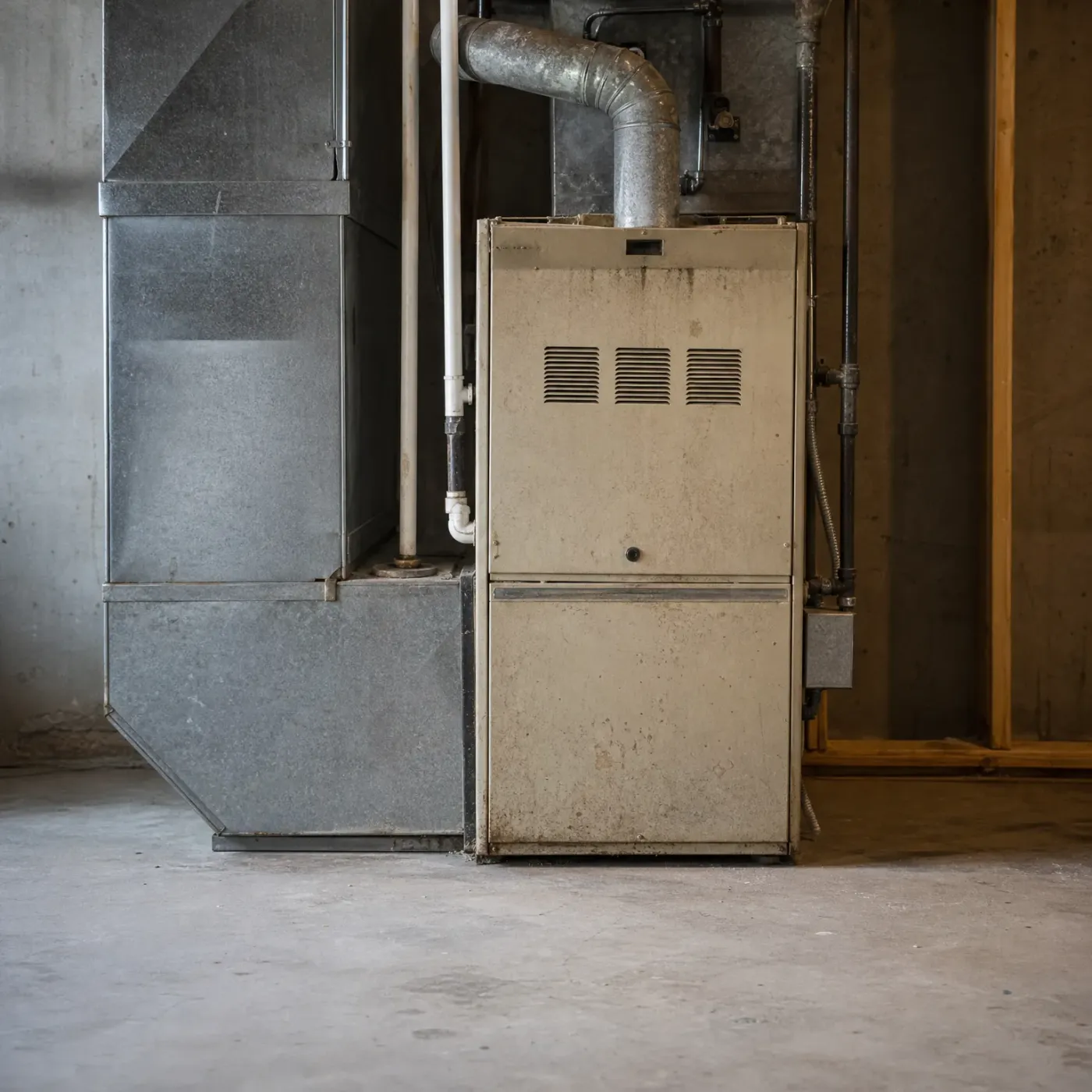
An older beige furnace with a louvered vent panel stands on a concrete basement floor beside galvanized sheet-metal ductwork, a metal flue pipe and vertical pipes along a concrete wall.
This one keeps shutting off early, and that flue pipe and vent are doing more starts and stops in an hour than they're built for.
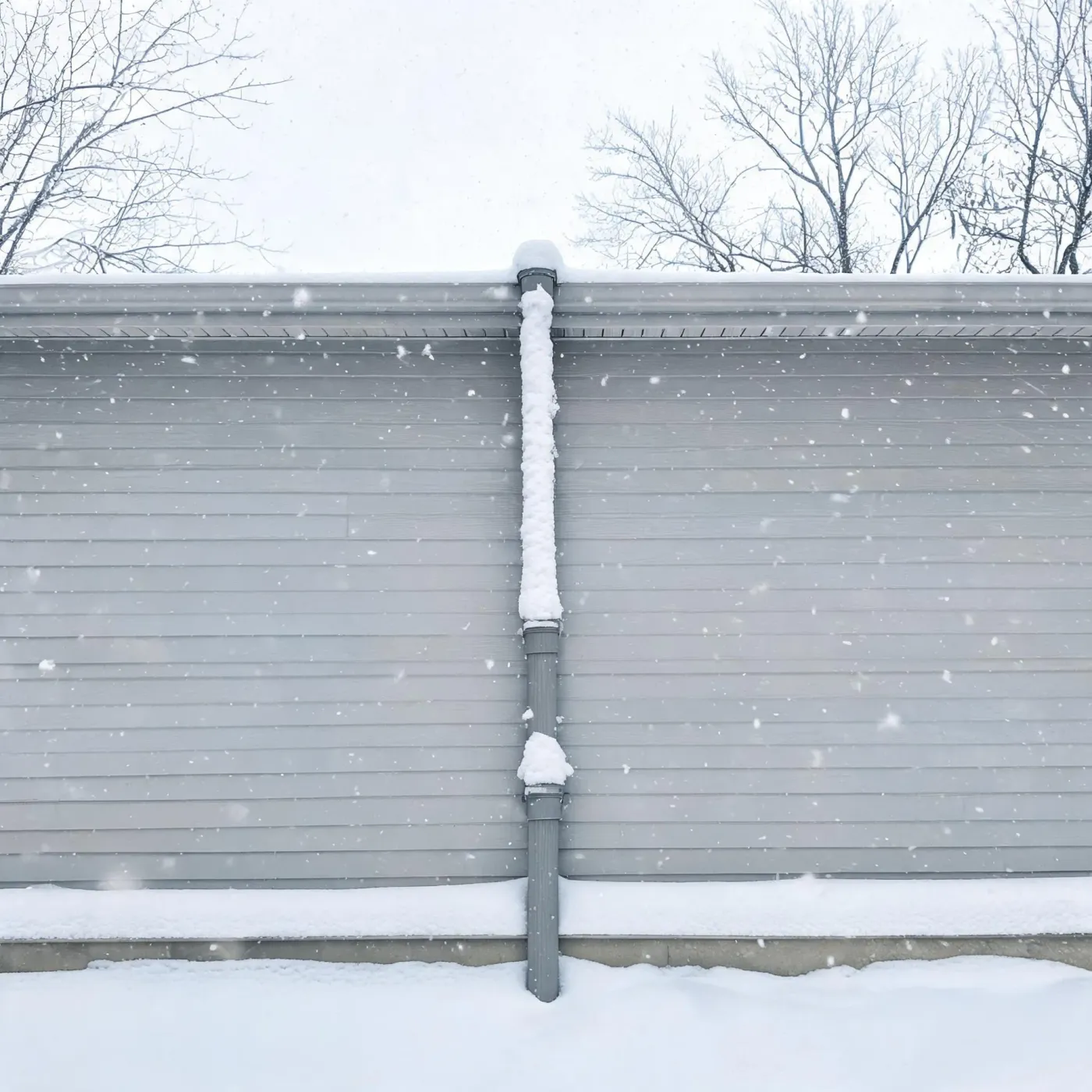
Gray horizontal lap siding on a house exterior with a snow-encrusted downspout running from the gutter to the ground, bare trees behind the roofline, and snow falling.

Winter nights statewide average 25°F, according to NOAA climate data. That's cold enough that your furnace should be running long, steady cycles to keep up, not short bursts. If it's shutting off after a few minutes and firing back up again and again on a night that cold, the coils and blower are absorbing more restarts than they're built for, and the house still won't hold its temperature. A furnace working correctly on a 25°F night runs continuously for a stretch before the thermostat is satisfied. One that keeps interrupting itself is struggling against the cold, not responding to it normally.

NOAA nClimDiv 1991-2020 county normals weighted by homes

A furnace that cycles on and off every few minutes isn't going to fix itself, and the longer it runs that way, the more wear it puts on the blower motor and heating coils each time it restarts. Short cycling on a cold night means the house doesn't hold a steady temperature while the equipment underneath takes hits it wasn't built for. You don't have to figure out which part is behind it, the limit switch, the thermostat placement, dirty coils, or something else. That's the part a licensed contractor sorts out once you're matched with one. Send the form and the search is no longer yours to carry. Someone who works on furnaces for a living takes it from there, and you go back to just keeping the house warm and the people in it comfortable.

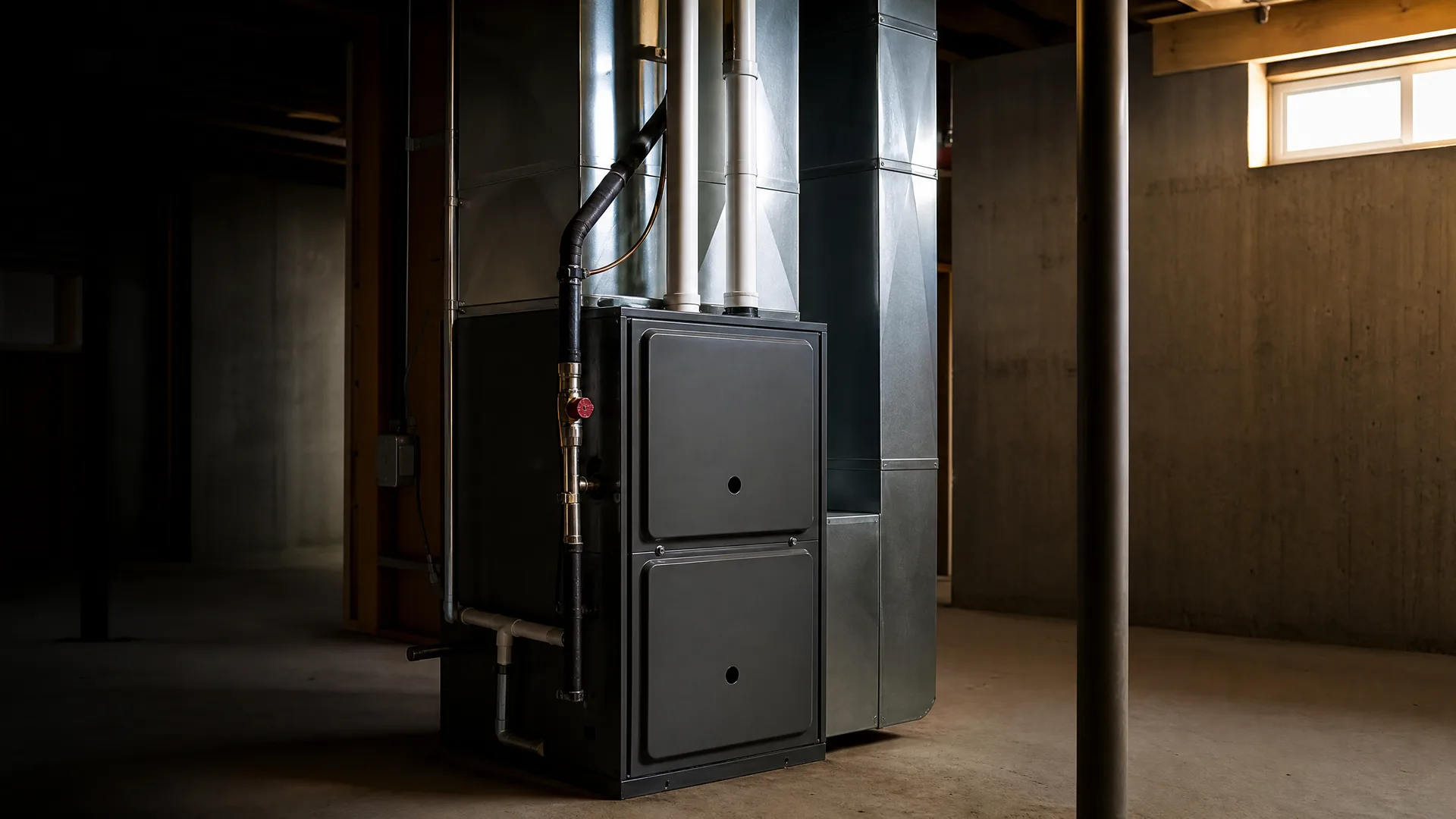
A dark gray high-efficiency furnace with two white vent pipes and connected sheet-metal ductwork stands in an unfinished basement with concrete walls, a support pole, and a small window.

Matched to your furnace job

Step 1 of 3: Equipment