






Why your furnace won't shut off in West Virginia

Tell a local repair pro what your furnace is doing.

Match me with a pro

Why won't my furnace shut off?

Most homes in West Virginia heat with electricity, and when that furnace keeps running past the point where the house feels warm enough, it's easy to wonder if something is badly wrong. Sometimes it's a simple setting. Sometimes it's a part that's failed in a way that keeps calling for heat even when none is needed.

A stuck relay or a bad thermostat signal is usually keeping it calling for heat

Most of the time this comes down to the thermostat telling the furnace to keep running, or a relay inside the furnace that's stuck closed and won't let the burners shut off on their own. A dirty flame sensor can cause something similar, since the control board may keep retrying to light the burners instead of cycling off cleanly. With electric furnaces common here, a stuck heating element relay can do the same thing, leaving heat running long after the house is warm. None of these fix themselves, and a furnace that won't shut off will keep pushing heat and running up the bill until the part causing it gets replaced.

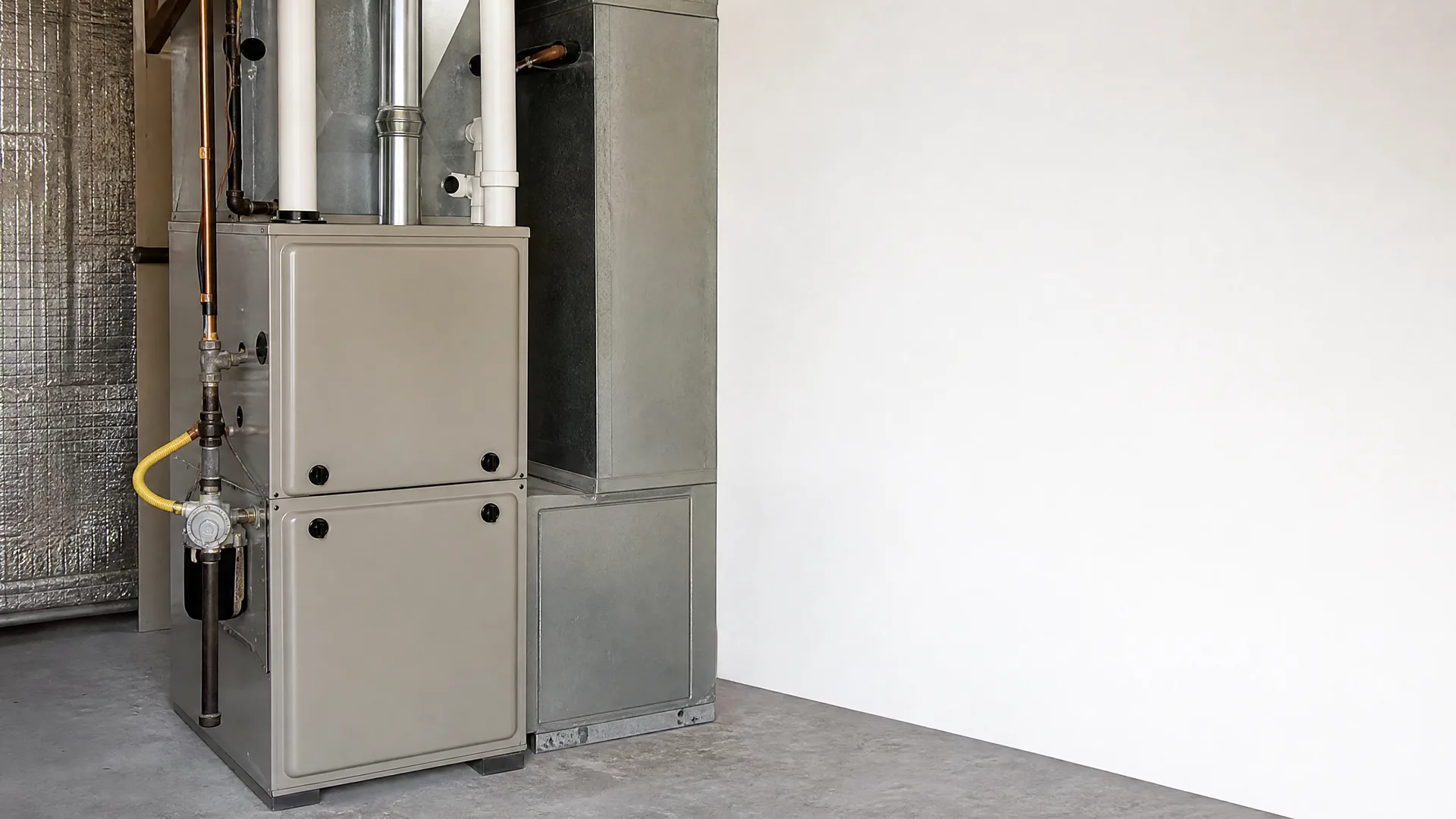
A beige residential gas furnace with white PVC vent pipes, copper and yellow gas lines, and adjacent sheet-metal ductwork stands on a concrete floor beside a plain white wall.

The thermostat talks to a relay

A thermostat doesn't run the furnace directly. It closes a switch that tells a relay or a control board to keep the heat on. If that relay sticks closed, the board never gets the signal to stop, even after the thermostat reads satisfied. The furnace keeps heating because the part that's supposed to cut power never got the message. This is a common reason a furnace runs long after a house feels warm enough.

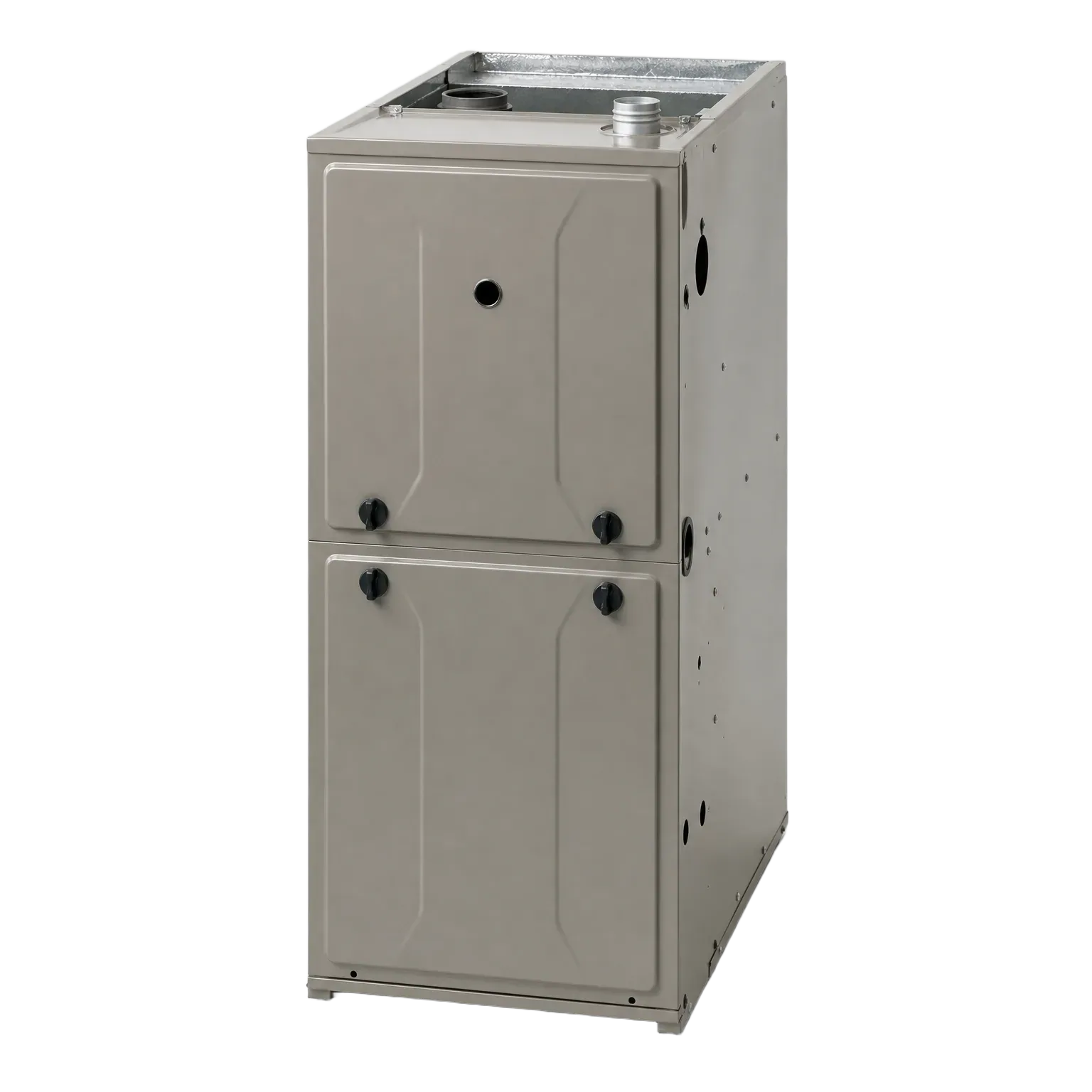
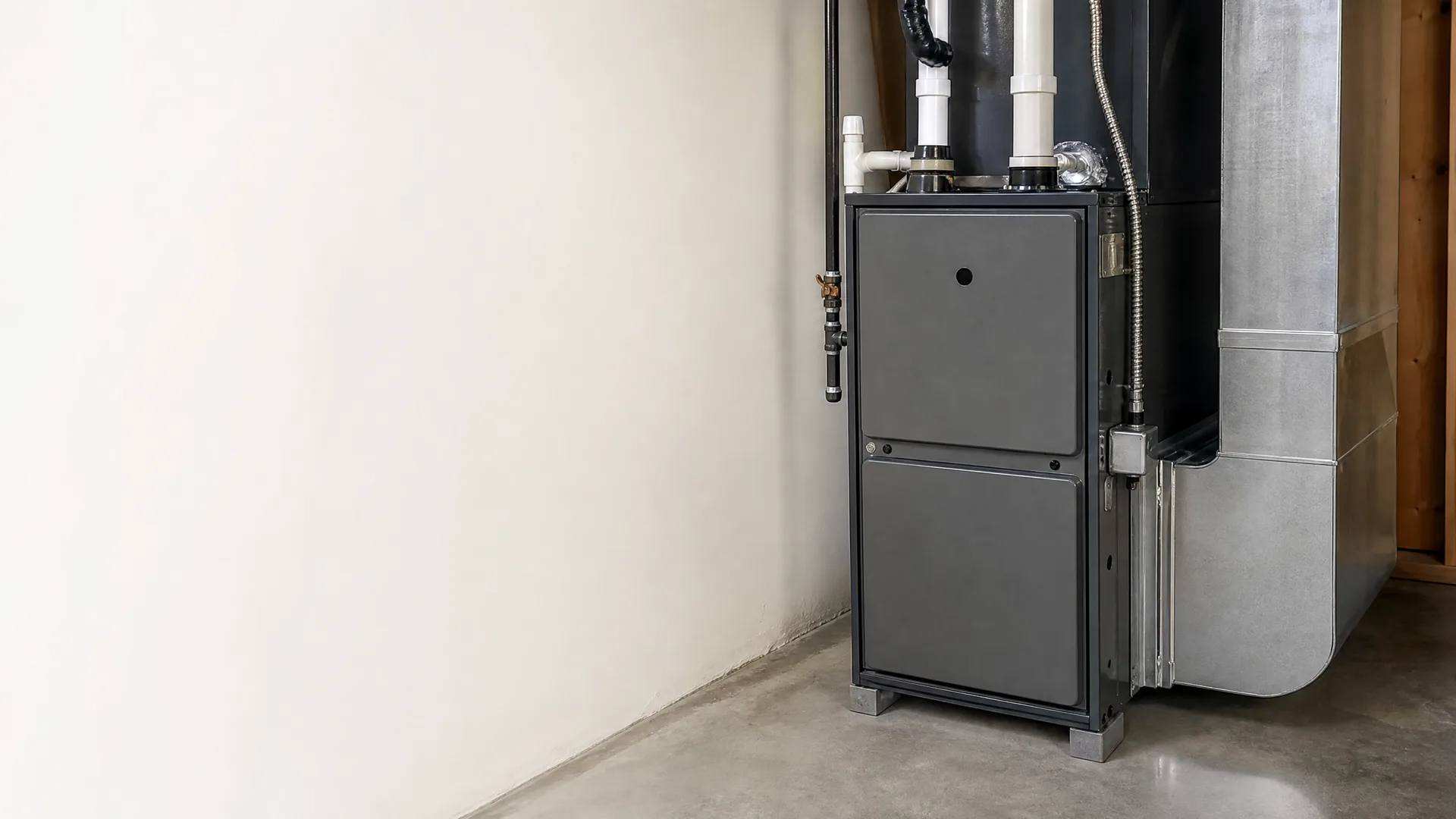
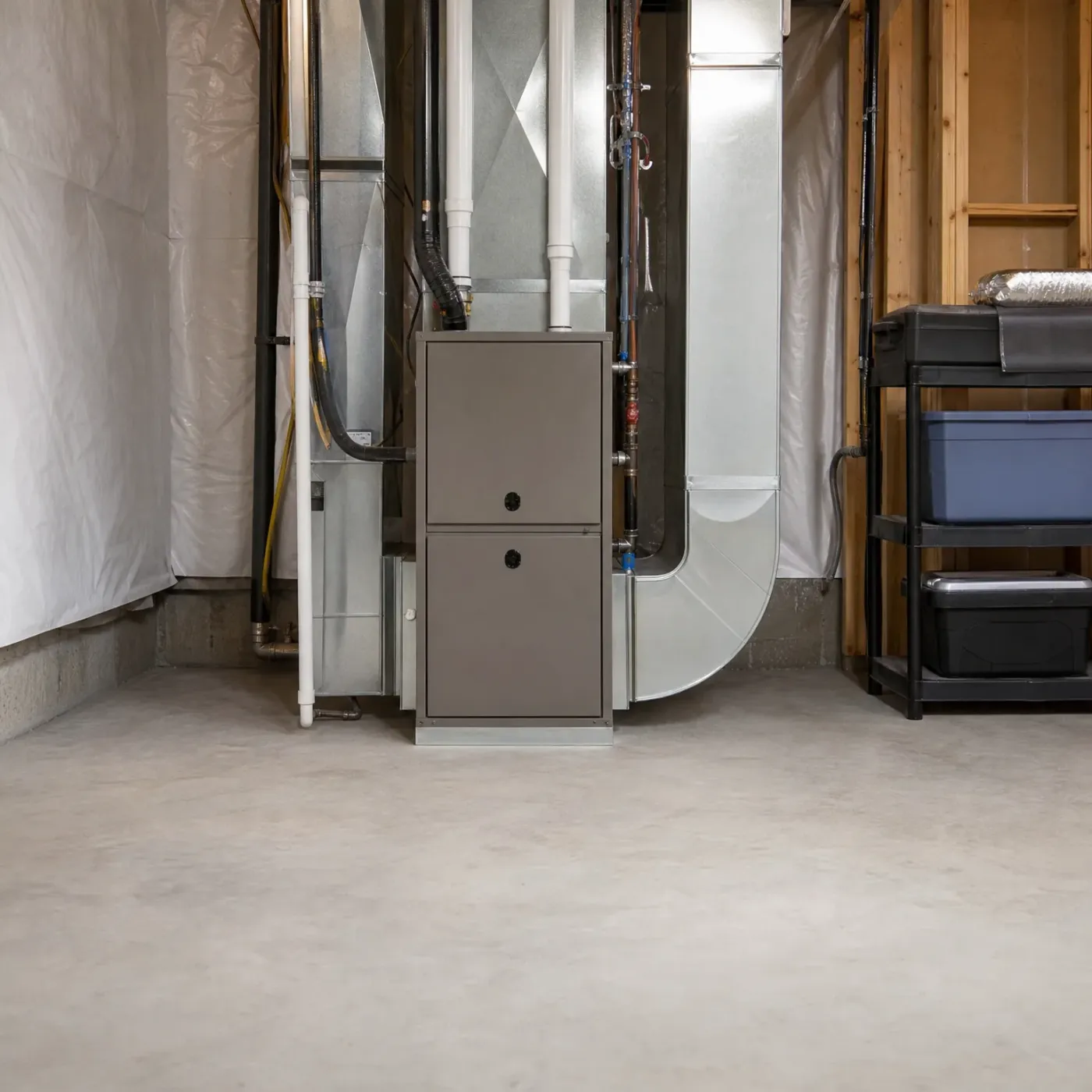
A gray high-efficiency furnace with white PVC vent pipes and metal ductwork stands on a concrete floor beside a plain off-white wall in a basement.

A limit switch can fail stuck

Electric furnaces use a limit switch to sense how hot the air coming off the heating elements gets. It's a safety part, meant to cut power if things run too hot. If that switch fails in the closed position, it stops doing its job and the elements stay energized. The furnace has no way to tell itself to stop. A contractor can test the switch directly and confirm whether it's holding the circuit closed when it shouldn't be.

A man seen from behind raises his hand to wave at a woman standing in the open front doorway of a single-story house with gray shingle siding, white columns and a gabled porch entry.

What a furnace that won't stop costs you

A furnace stuck on doesn't just run up your electric bill. It pushes heat into rooms that are already warm enough, so you'll catch yourself opening a window in January to cool a bedroom down. Floors near the furnace or the main supply vents can get uncomfortably hot to stand on. The blower itself wears faster when it never gets a rest, and that's a part that costs more to replace than the relay or sensor likely causing the problem in the first place.

There's also a safety side to it. A furnace that keeps firing past when it should cycle off is working harder than it was built to, and that strain shows up eventually as a bigger repair. You don't have to figure out which part is at fault to get this fixed. Once you send a request, a contractor who handles heating repair in your area will follow up directly, and from that point it's their job to find the cause and put it right.

A living room corner with a light beige sofa holding a textured taupe cushion, a large ceramic vase of olive branches by a window, a framed neutral artwork on the wall, and a dark bowl with stacked books in the foreground.
A woman with long wavy brown hair in a grey ribbed sweater sits on a couch indoors, looking toward a window, with a potted palm-like plant and fireplace behind her.
A woman with long brown hair wearing a green V-neck top and beige cardigan sits on a light sofa, looking off to the side, with a dining table, lamp and framed picture in the background.
A woman with long dark hair in a cream knit sweater sits on a beige sofa indoors, looking toward a bright window with a houseplant and framed picture in the background.
A woman with long dark hair in a green knit sweater sits on a couch indoors, smiling and looking toward a window with a blurred room behind her.

Thermostat Issue or Furnace Issue

A thermostat problem

  • A thermostat set to "on" instead of "auto" runs the blower fan nonstop, even when the burners have cycled off.
  • A thermostat mounted near a heat vent or in direct sun can read the room as colder than it is, so it keeps calling for heat.
  • Loose wiring behind the thermostat can send a weak or constant signal instead of a clean on and off.
  • Dust inside an older thermostat can keep the contacts from opening the way they should.
  • Swapping the thermostat or resetting its wiring is usually a short visit, since the problem never touches the furnace itself.

A furnace problem

  • A relay or control board that's stuck closed keeps sending power to the burners no matter what the thermostat says.
  • A cracked heat exchanger can trip a limit switch into a failsafe pattern that looks like the furnace won't quit.
  • A blower motor that won't shut off after the burners stop usually points to a bad control board, not the motor itself.
  • Flame sensor trouble can make the board hold the gas valve open longer than it should.
  • Fixing something inside the furnace means opening the cabinet, and it can mean replacing a part that isn't cheap.
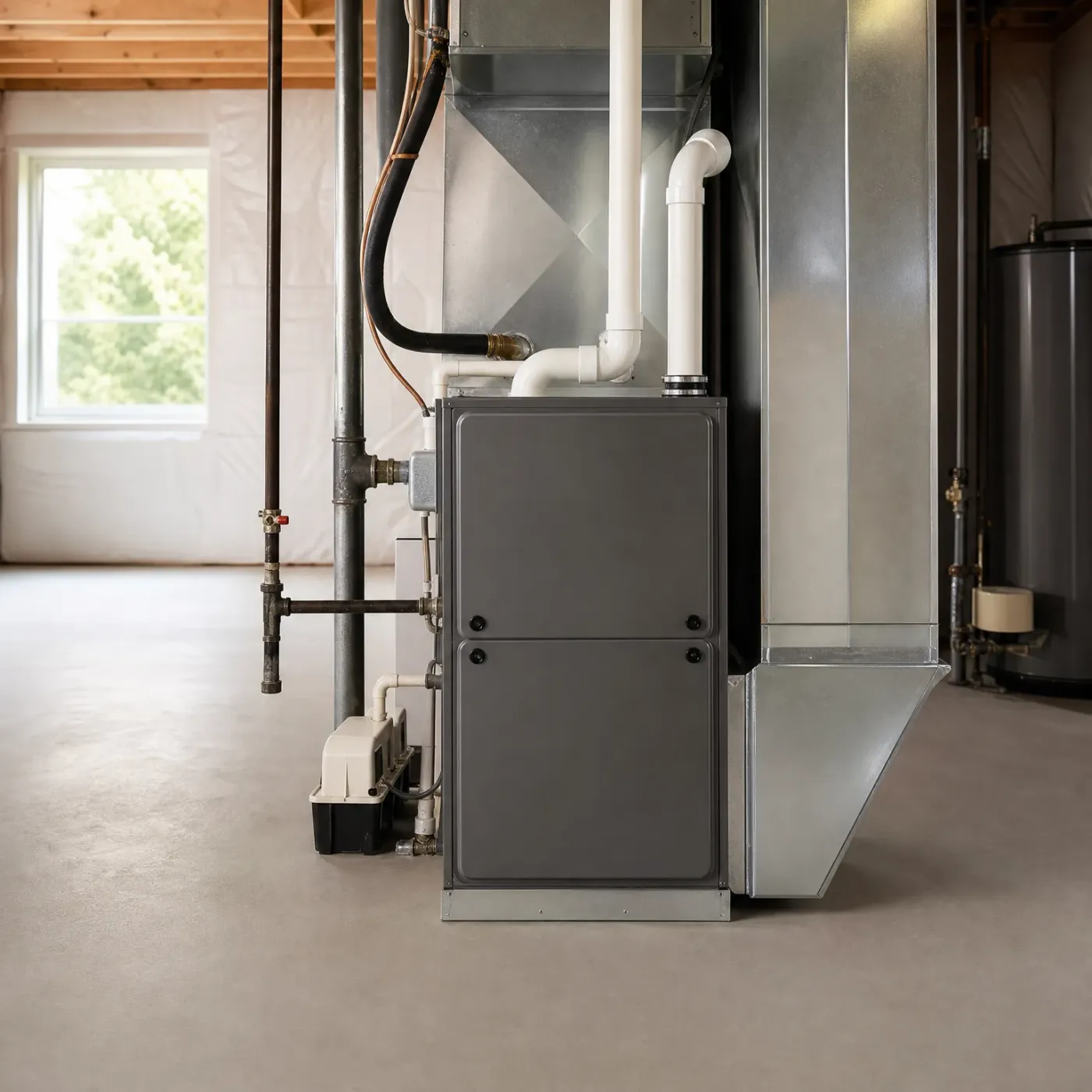
A gray high-efficiency furnace in a basement with sheet-metal ductwork, white PVC vent pipes, metal plumbing lines, a condensate pump on the floor, and a window showing green trees outside.

When it's cycling the way it should

The burners fire, the blower pushes air through the ducts, and once the house reaches the set temperature, the furnace shuts down on its own. The pipes and connections stay dry and intact, and the system sits quiet until the next call for heat.
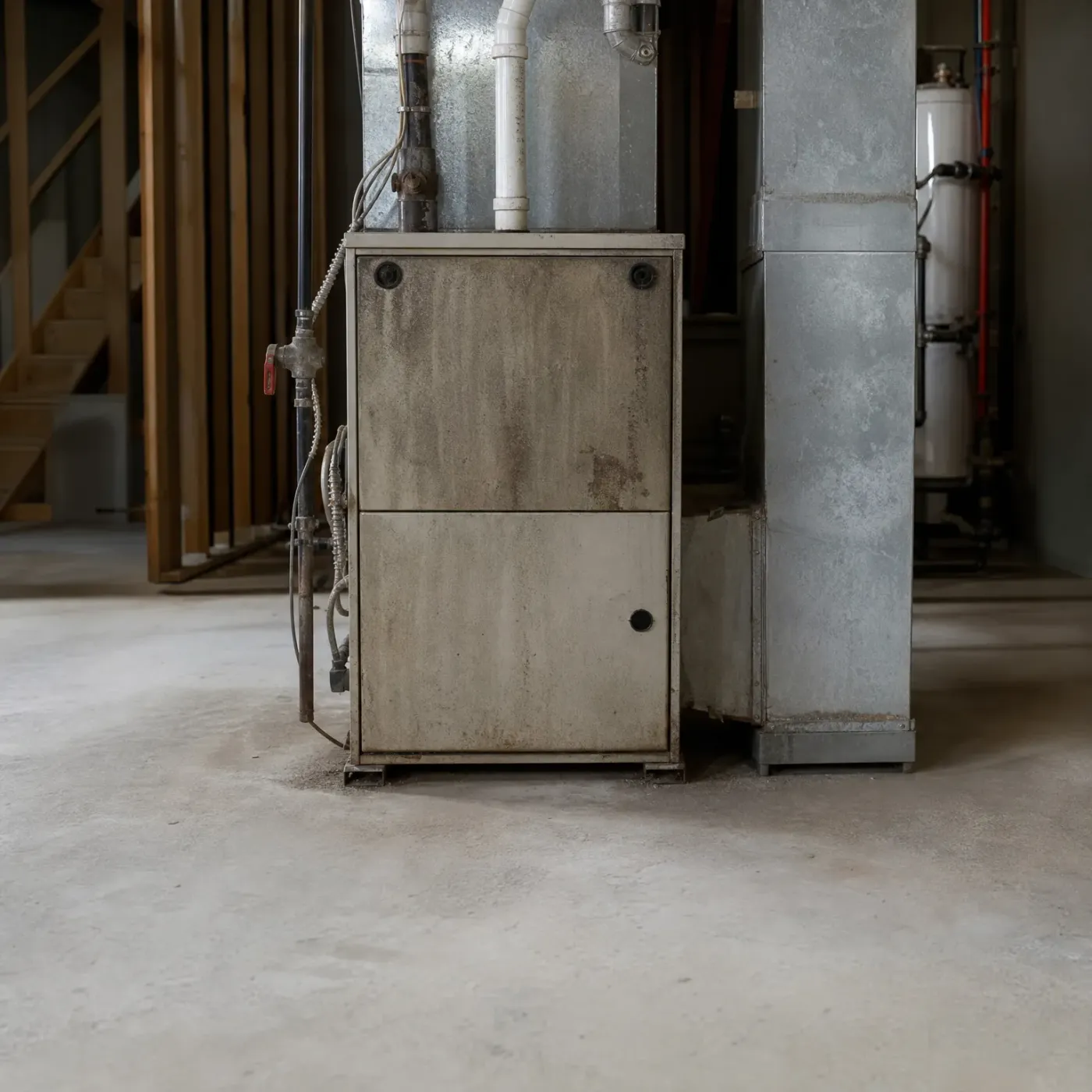
An older metal furnace with PVC and metal pipes stands on a concrete basement floor beside galvanized ductwork, with wooden stairs and a water tank in the background.

When it won't stop

A furnace running well past the point the house is warm is working off something other than the thermostat's signal. Dust buildup, a worn part, or a stuck relay can keep the burners or blower going long after they should have cut off.

Is your house too warm and your furnace won't quit

You've probably caught the blower running long after every room feels warm enough. Maybe you've gone to bed with a window cracked in January, or found the thermostat reading higher than what the room actually feels like. Some houses show it in the electric bill first, a jump that doesn't match the weather outside. Others notice the furnace cycling on again within a few minutes of shutting off, never really resting. Left alone, a furnace that runs too much wears down parts faster than it should, and in a house heated entirely by electricity, that extra runtime shows up fast on what you're paying each month.

A basement utility area with a gray furnace, sheet-metal ductwork, pipes, plastic-covered walls, a concrete floor, and a black shelving unit holding storage bins.

Running right

The burners cycle on, the blower pushes warm air through the ducts, and the gas line and condensate pipes stay dry. Once the house hits the set temperature, the furnace shuts off and sits quiet. The cabinet stays clean, no rust, no scorch marks, nothing dripping onto the concrete pad.

A gray metal furnace with louvered vent panels stands on a concrete basement floor beside galvanized ductwork, gas and plastic pipes, and foil-faced insulation along the ceiling and wall.

Stuck running

An older furnace like this one keeps firing well past the point where the house is warm. Rust on the cabinet and age in the cabinet can mean a limit switch or flame sensor isn't reading right anymore. If yours looks like this and won't shut off, that's worth having checked.

A gray-haired woman in a cream knit sweater stands in a dimly lit kitchen at night, looking to her right, with a round loaf of bread in the foreground and a dark window and potted plant behind her.
A woman with her hair in a bun holds a sleeping young child against her chest, both wrapped in a textured beige knit blanket on a sofa in a dimly lit room with a lamp, framed picture, and bookshelf behind them.

A pro who works on furnaces

Send the request today and let a furnace pro reach out to you.

You're not committing to anything by asking.

A problem that waits for cold weather

A furnace that won't shut off in October might not act up again until a hard freeze hits in January. The relay or limit switch causing it can hold on fine most of the time and only stick when the system runs long and hard. That's why a lot of people let it go the first time it happens. The furnace catches up, the house cools off, and it seems fine. Then a cold snap means the furnace runs for hours straight, and the same part gets pushed past where it was before, and this time it doesn't let go.

A problem that gets worse each week

Some of what keeps a furnace running past its setting doesn't come and go. A stuck relay, a miswired thermostat, or a cracked heat exchanger throwing off the limit switch's reading will do the same thing every single cycle, not just on the coldest nights. The blower runs long, the house gets too warm, and it happens again an hour later, then again after that. There's no waiting it out, because nothing about the fault changes on its own. The pattern you notice in the first week is the pattern you'll still see in March.

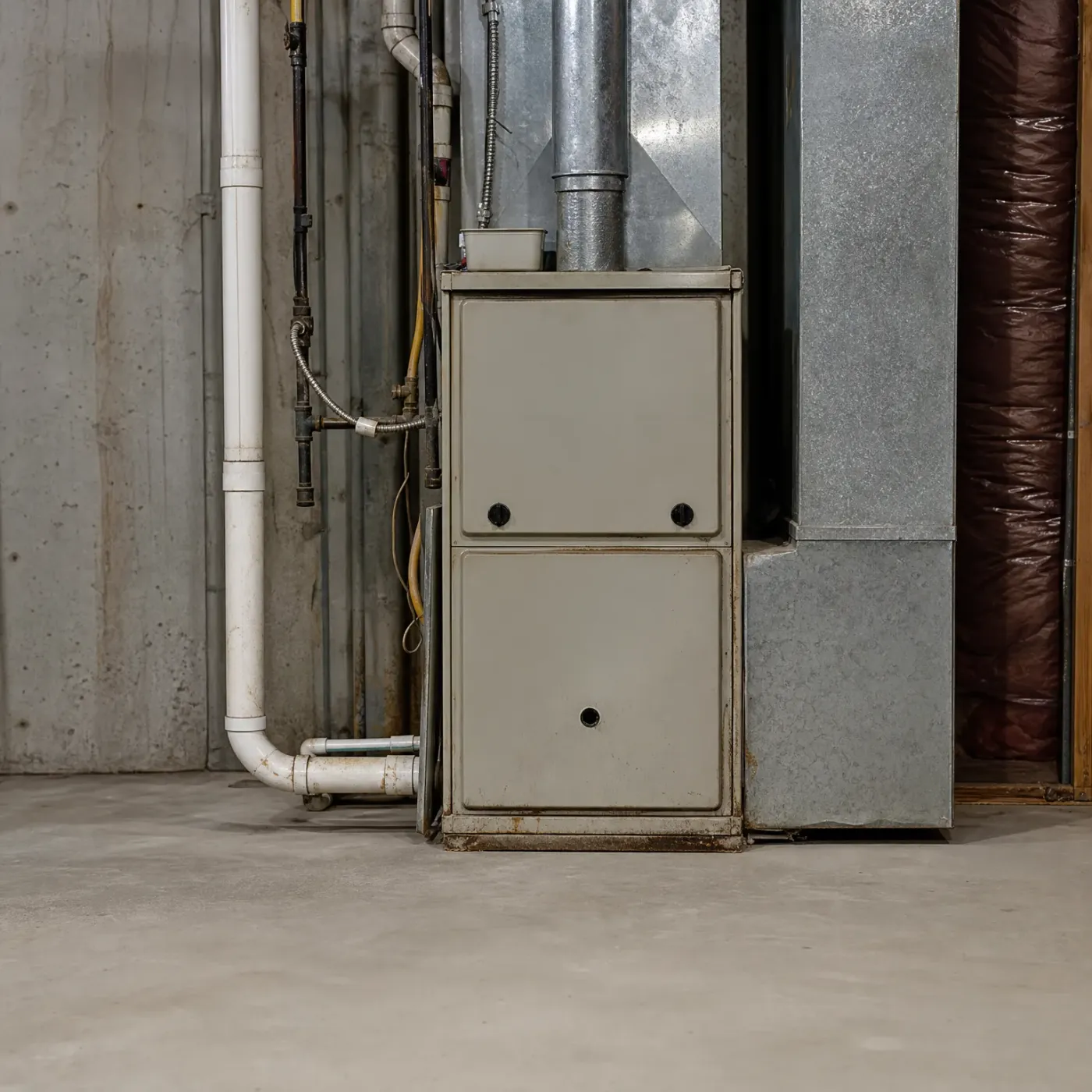
A beige furnace with two access panels stands against a concrete basement wall, with galvanized sheet-metal ductwork, a white PVC pipe, flexible conduit and insulated ducting around it.
Before you get your furnace repair
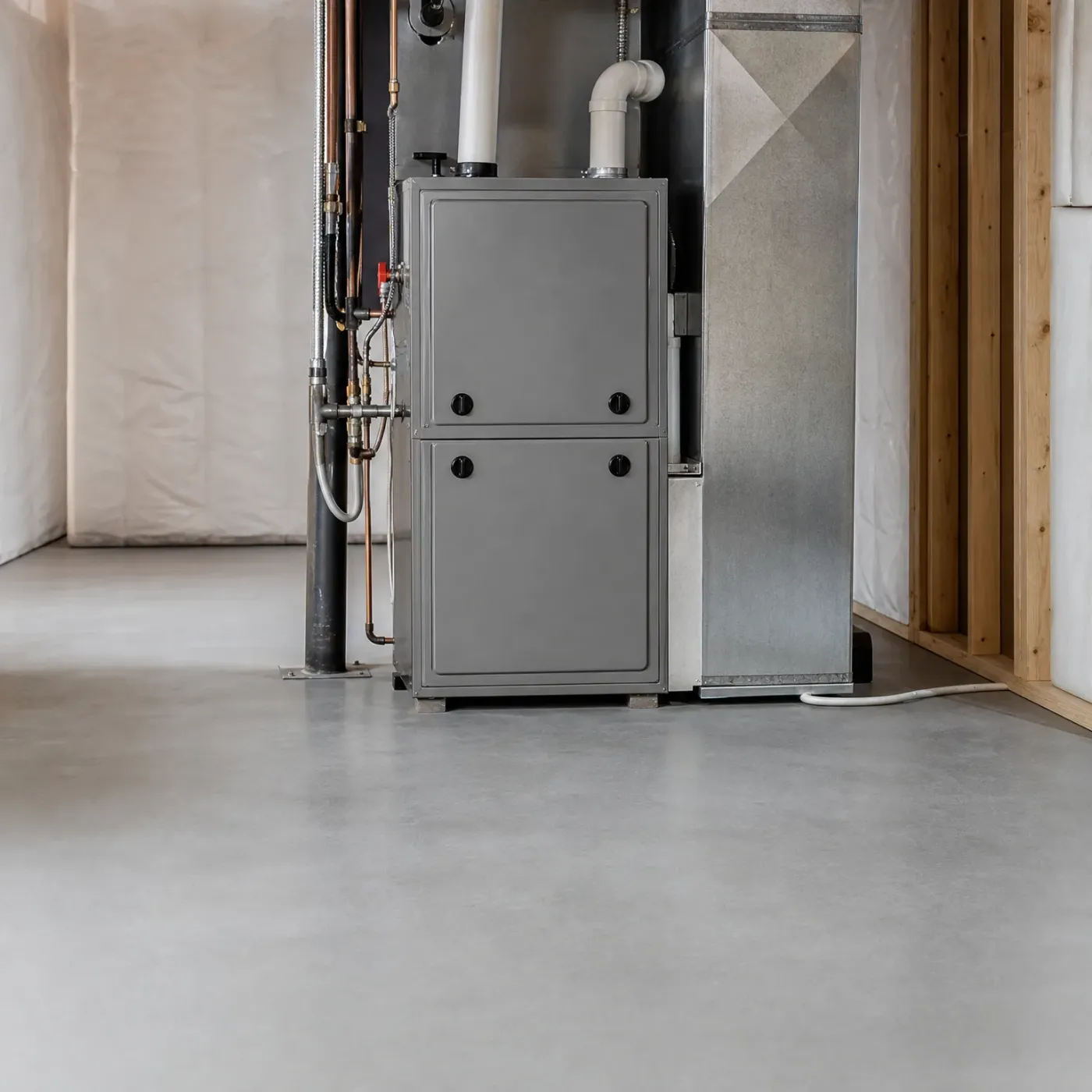
A gray furnace with white PVC vent pipes stands beside sheet-metal ductwork in a basement with a smooth concrete floor, exposed wood framing, and plastic sheeting on the walls.
After you get your furnace repair

Let it keep running

Every day it stays stuck on, it's pushing heat your house doesn't need, and the parts holding it open keep taking the same strain that caused this.

Get a furnace pro

Get it looked at

A contractor can find out whether it's the thermostat, the relay, or the limit switch, and get the furnace cycling on and off the way it's supposed to again.

Get a furnace pro

Winter nights average 25°F statewide

On a typical winter night here, it only drops to about 25°F outside. That's not the kind of cold that should force a furnace to run nonstop. If yours won't shut off even on a night like that, the furnace itself is holding it on, not the weather.

NOAA nClimDiv 1991-2020 county normals weighted by homes

  1. Thermostat keeps calling for heat past the set point

  2. The call holds the relay or control board closed

  3. Burners keep firing because the board never gets a stop signal

  4. Blower keeps pushing warm air through the ducts

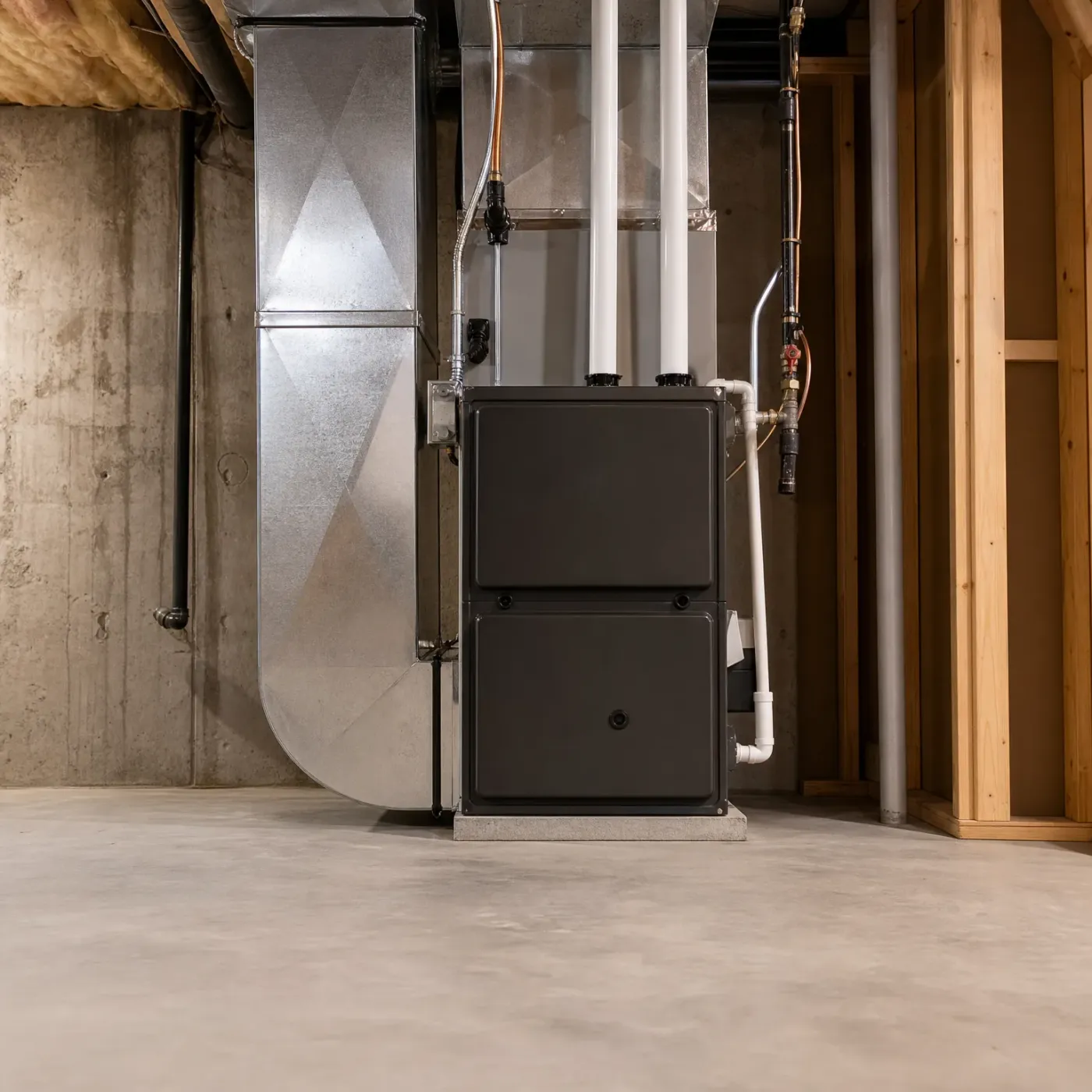
A dark high-efficiency furnace on a concrete pad in a basement, connected to galvanized ductwork, white PVC vent pipes, and copper and black gas piping, with concrete walls and wood framing nearby.
A furnace like this cycles off clean once the house hits the set temperature, with the PVC vents and copper gas line staying dry and undisturbed.
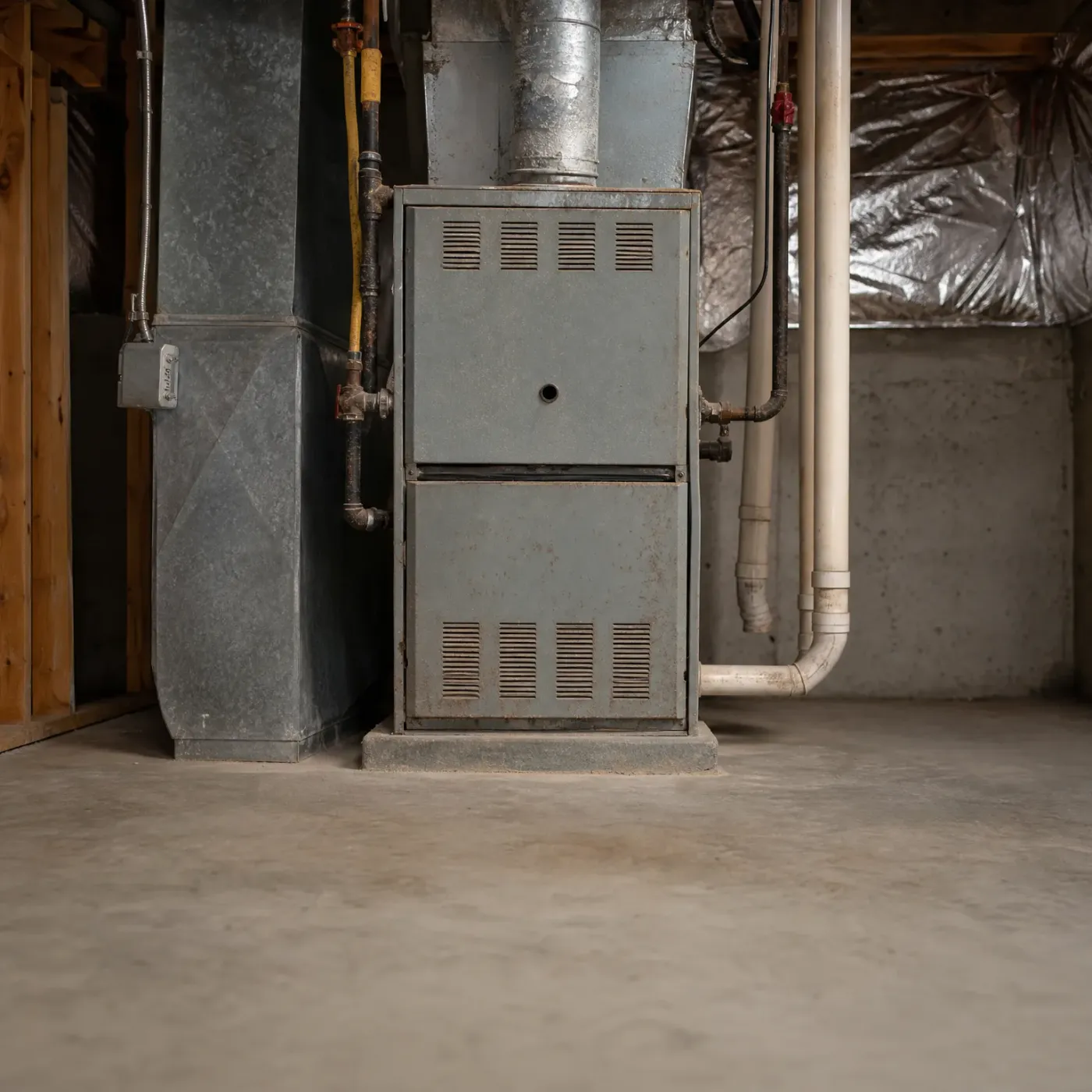
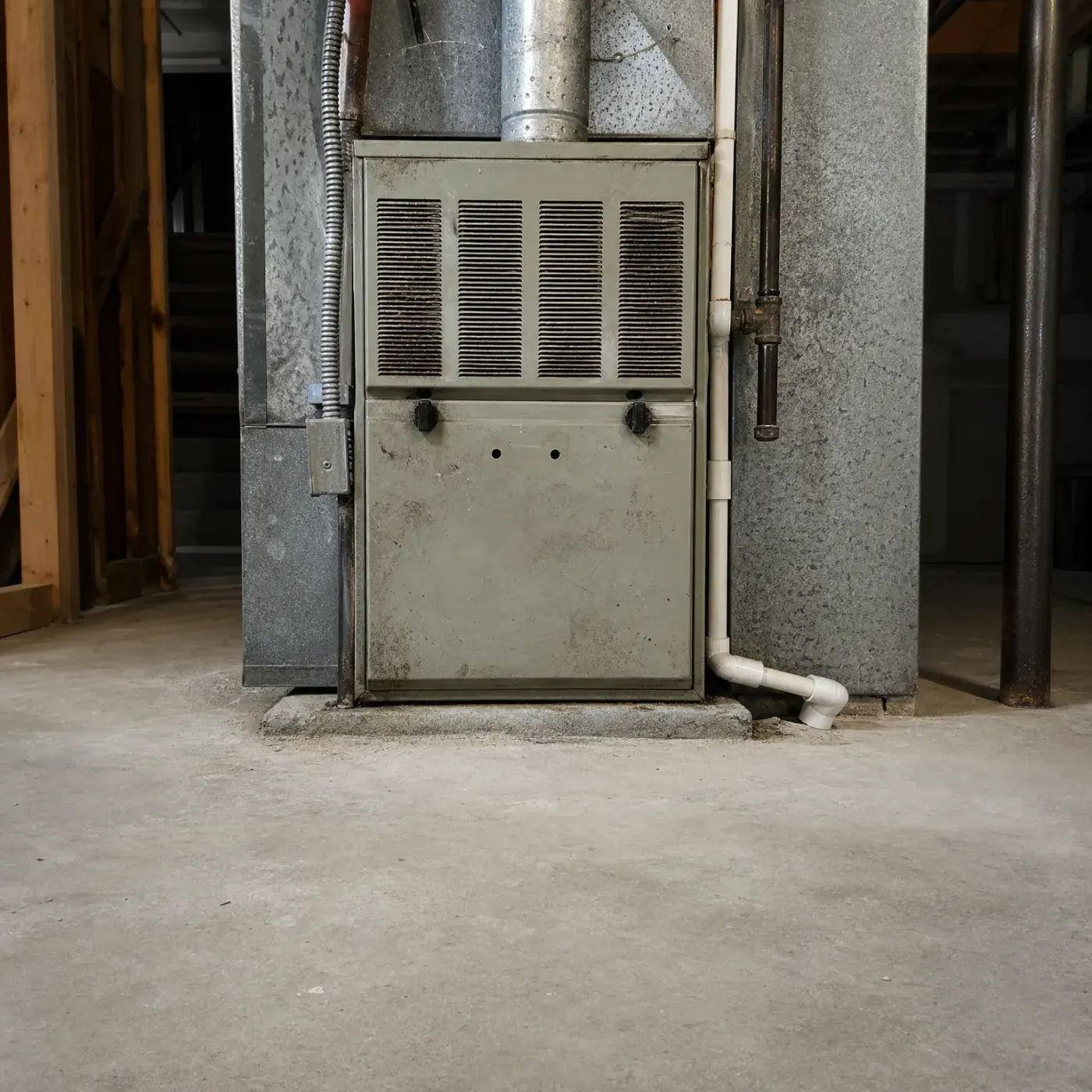
A gas furnace with a louvered upper panel stands on a concrete pad in a basement, flanked by sheet-metal ductwork, white PVC and metal pipes, and insulated columns.
A furnace like this, older and worn, is the kind where a stuck relay or failing limit switch keeps the burners firing long after the thermostat stops calling.
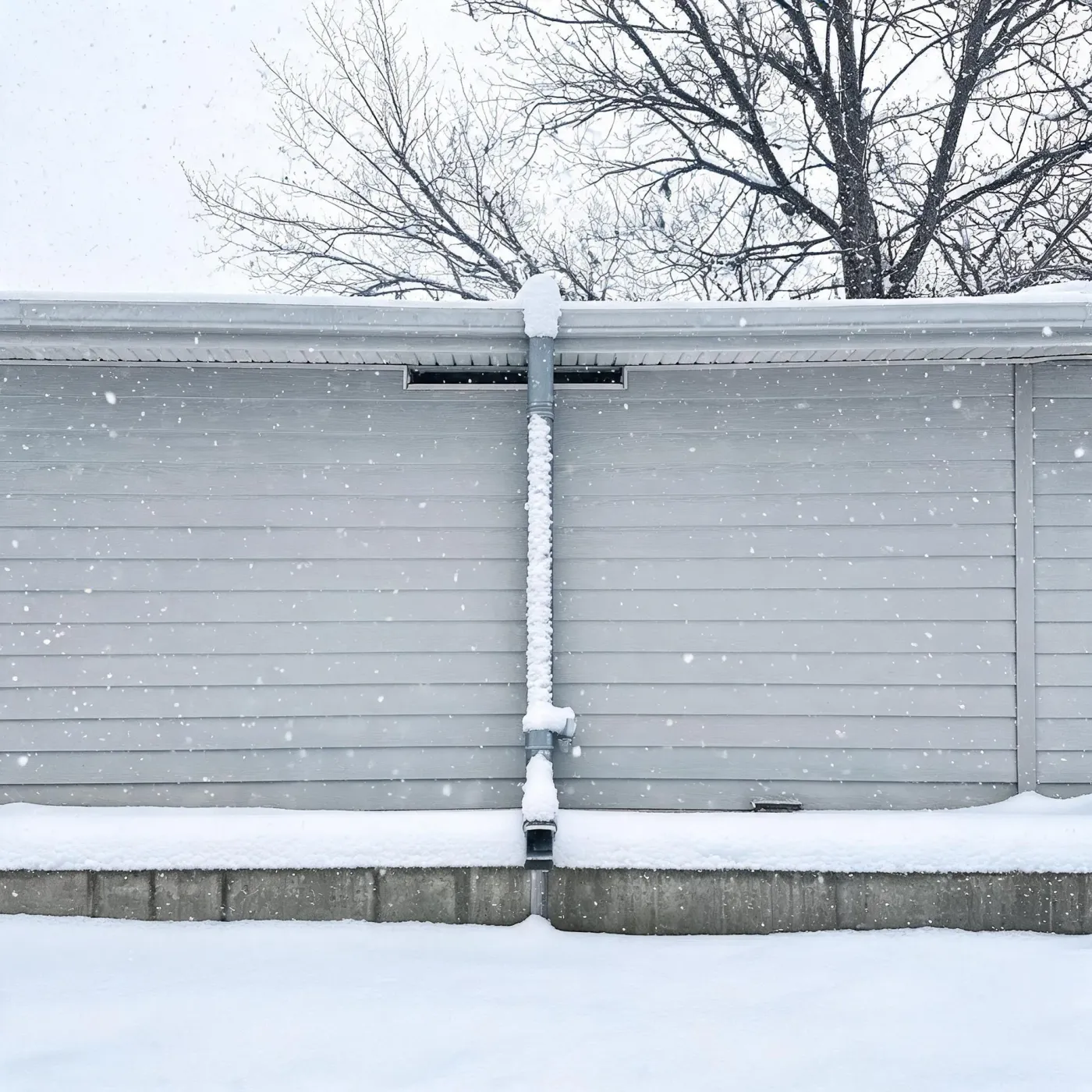
Exterior wall of a building with light gray horizontal siding and a snow-covered downspout running down its center, with bare trees behind the roofline and falling snow over deep snow on the ground.

Statewide, winter nights average 25°F, according to NOAA climate data. That's mild as far as heating goes, nowhere near the single digits that push a furnace to its limit. So if yours is running nonstop on a night like that, the cold outside isn't asking that much of it. The furnace should be able to heat the house, hit the set temperature, and shut off with room to spare. When it keeps running anyway, the burners or blower are working harder and longer than a 25°F night calls for, which points to something inside the system holding it open rather than the weather pushing it.

NOAA nClimDiv 1991-2020 county normals weighted by homes

A furnace that won't shut off isn't something you have to live with until spring. It almost always comes down to one part: a thermostat set wrong, a relay stuck closed, or a limit switch that's failed. None of that fixes itself, and running on like this wears on the same parts that caused it. You don't have to figure out which one it is. Once you send the form, you're done hunting for answers and calling around for someone who can come look at it. A contractor who knows these systems takes it from there, and that's one less thing sitting on your shoulders while you keep the house livable for everyone in it.

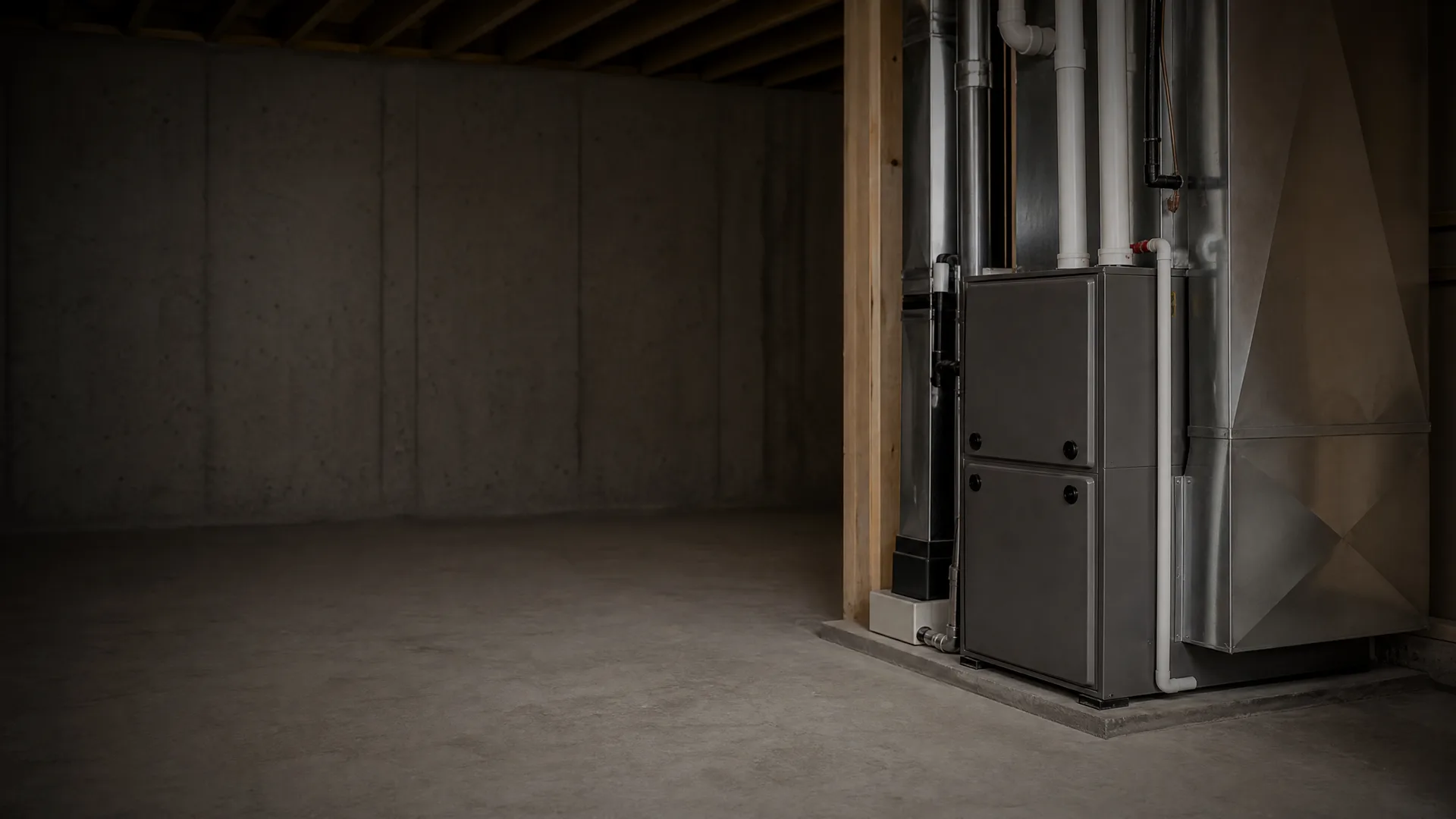
A gas furnace with attached PVC and metal piping and sheet-metal ductwork stands on a concrete pad in a dim unfinished basement with concrete walls and exposed floor joists.

The right pro for this job

Once you send the form, finding a pro is off your list.

Step 1 of 3: Equipment